
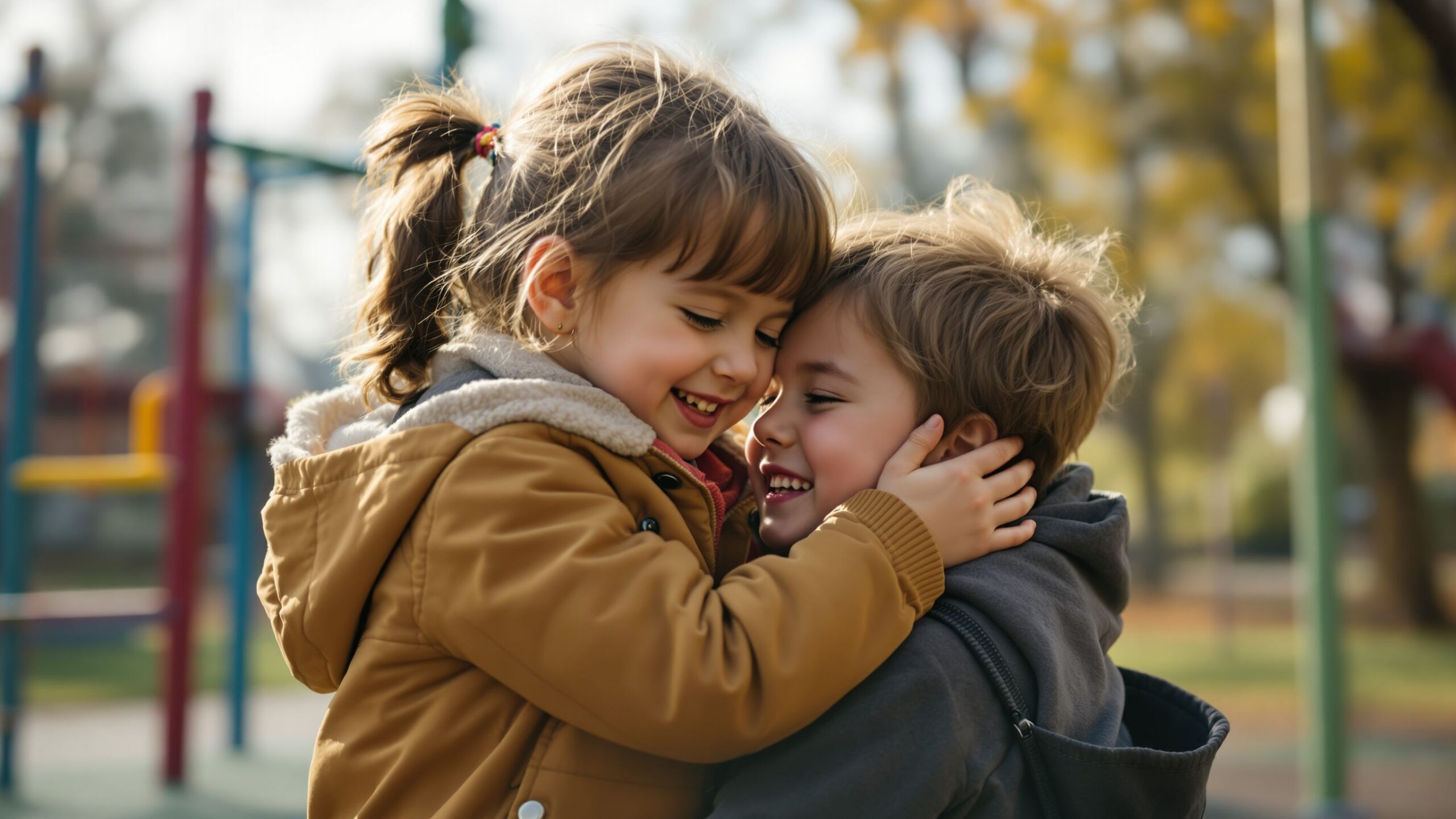
Kindness is a quiet superpower, and empathy is the heart that fuels it. Welcome to Kindness & Empathy, a meaningful space on Child Streets where children learn to understand others’ feelings, offer support, and build connections rooted in compassion. From comforting a classmate to sharing words of encouragement, small acts of kindness can shape a child’s character in powerful and lasting ways.
In this collection of articles, we explore how children develop perspective-taking skills, practice active listening, and respond thoughtfully to the emotions of others. Empathy helps kids move beyond their own experiences and recognize that everyone carries different thoughts and feelings. Parents and caregivers will find practical ways to model kindness at home, guide respectful conversations, and encourage inclusive behavior in school and social settings.
When children learn to care deeply and act thoughtfully, they build stronger friendships and healthier communities. Step into a space where compassion grows naturally, understanding becomes a daily habit, and kindness lights the way forward.
A: It’s trying to understand how someone else feels, even if you feel different.
A: You can say, “I’m here,” or offer a hug, or get a trusted adult.
A: Yes—protecting yourself and others from hurt is kind.
A: Use brave words, walk away if you can, and tell a trusted adult.
A: Jealous means you want connection too—ask for a turn or some attention.
A: Say what happened, say sorry, and ask how to make it better.
A: Check in: “Are you okay?” then repair with kindness and change.
A: Include others, share supplies, use kind words, and help someone who needs it.
A: No, but you should be respectful and kind to everyone.
A: If someone is being bullied, unsafe, or you feel scared—tell a trusted adult.