
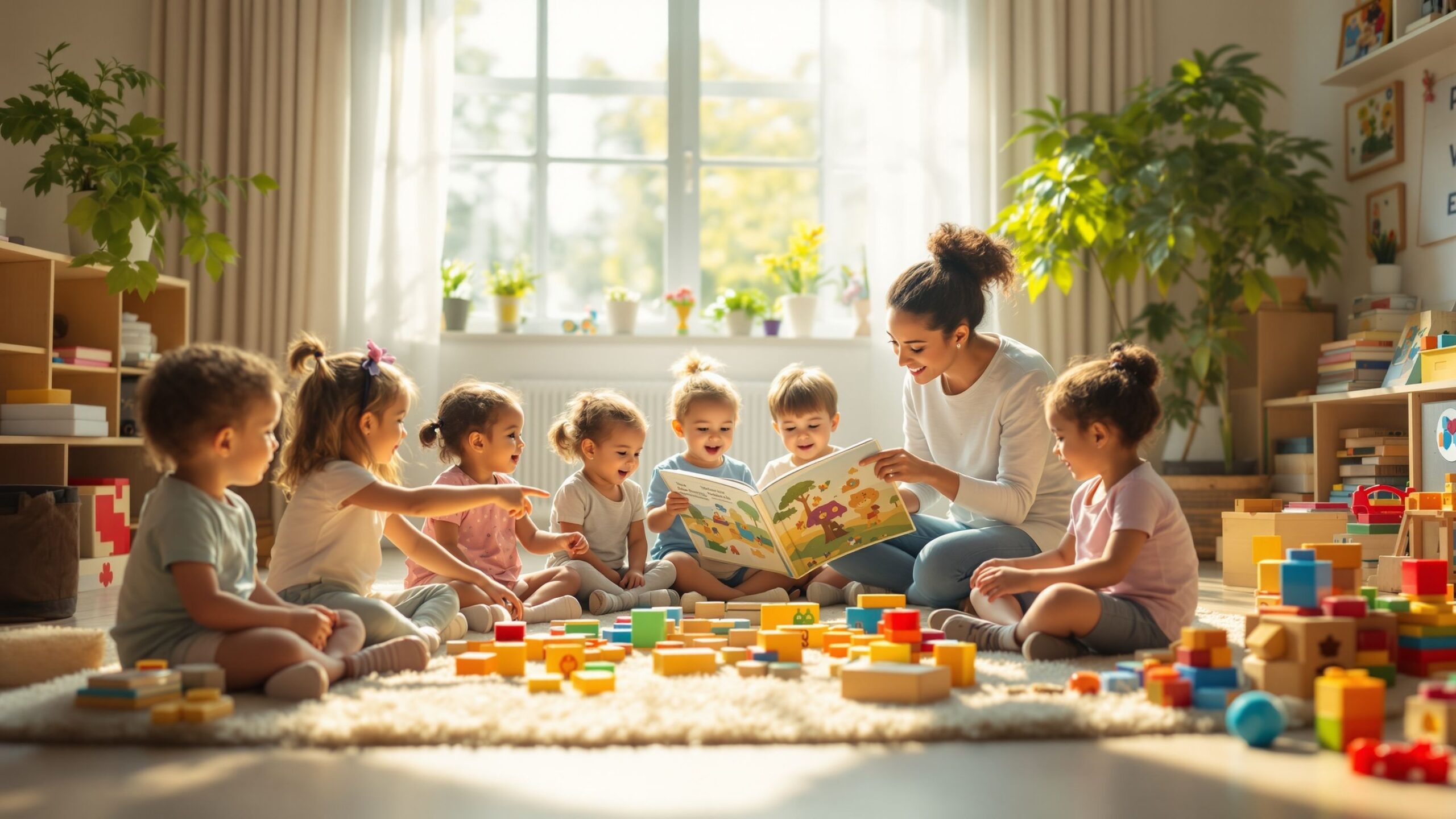
Early Learning Foundations is where curiosity takes its very first confident steps. This space explores the building blocks that shape how children think, communicate, move, and connect with the world during their most formative years. From early language sparks and playful problem-solving to emotional awareness, sensory discovery, and social growth, these foundations influence everything that follows. The articles in this section dive into how young minds learn best through everyday moments—storytime conversations, hands-on play, movement, music, and gentle routines that create safety and confidence. You’ll discover how early experiences help wire the brain for creativity, resilience, empathy, and lifelong learning, while also learning how caregivers can support development without pressure or perfection. Whether you’re exploring cognitive milestones, early literacy, motor skills, or the power of play, Early Learning Foundations brings together research-backed insights and real-world guidance. It’s a place to understand not just what children learn, but how they learn—turning simple interactions into meaningful growth moments that quietly shape who they become.
A: Aim for 10–20 minutes daily—split into short sessions if needed.
A: Let them wiggle, hold a toy, or flip pages—keep it positive and brief.
A: Start with sounds, counting real objects, and playful exposure—no pressure required.
A: Talk during routines, name things, and expand their words (“Dog!” “Yes, a big brown dog!”).
A: Calm first, teach later—name the feeling, offer a breath, then solve together.
A: Not always—choose high-quality content and watch with them to talk and connect.
A: That’s normal—model the correct word gently and keep the conversation flowing.
A: Practice turn-taking with timers and teach phrases like “my turn/your turn.”
A: Try play dough, stickers, tweezers with pom-poms, and chunky crayons first.
A: Consistent routines plus warm conversation—kids learn best when they feel safe and seen.

Cooperative Play Stories by Age: Toddlers to Big Kids
Learn the most important early learning foundations that prepare children for school success, including communication, social skills, independence, and creativity.

What Are Early Learning Foundations? A Parent’s Guide
Discover what early learning foundations include and how parents can support their child’s language, social, emotional, and cognitive development before school.

The Most Important Early Learning Skills Every Preschooler Should Learn
Learn the essential early learning skills that help preschoolers build confidence, develop independence, and prepare for success in kindergarten and beyond.