
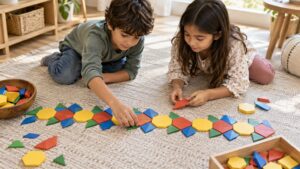
Logic, Patterns & Thinking helps children build the mental tools they use to reason, solve problems, and make sense of the world. This section explores how early thinking skills develop through play—spotting patterns, sorting objects, making predictions, and figuring out what comes next. From puzzles and matching games to everyday choices and cause-and-effect moments, children learn to think critically while having fun. The articles here highlight how logic supports focus, memory, and confidence, encouraging children to try, adjust, and try again. You’ll discover how pattern recognition strengthens math and reading readiness, how open-ended questions spark deeper thinking, and how playful challenges nurture independence. Logic, Patterns & Thinking celebrates curiosity and exploration, showing that thinking skills grow best when children feel safe to experiment. It’s about helping young minds learn how to think, not just what to think—building foundations that support learning across every area of life.
A: From infancy—pattern noticing starts early.
A: No—play-based activities work best.
A: Offer hints or simpler challenges and encourage breaks.
A: They support math, reading, and problem-solving.
A: Let kids think it through first when possible.
A: Yes—sequencing, sorting, and planning happen daily.
A: Yes—keep rules simple and playful.
A: Ask “How did you figure that out?”
A: Start simple and grow complexity over time.
A: Curiosity, confidence, and flexible thinking.

The Ultimate Guide to Logic, Patterns & Thinking for Kids
A practical guide to building children’s logic, pattern recognition, deduction, spatial reasoning, sequencing, and flexible thinking through everyday play.

Fun Logic Activities Every Child Will Love
Ten playful logic activities using cups, routes, toys, patterns, stories, and everyday constraints to build deduction, flexibility, and clear explanations.
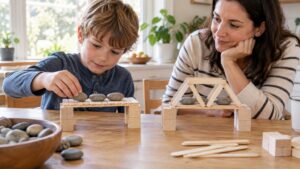
How to Build Critical Thinking Skills in Young Children
Practical ways to build critical thinking in young children through observation, fair comparisons, story questions, media awareness, evidence, and thoughtful decisions.
