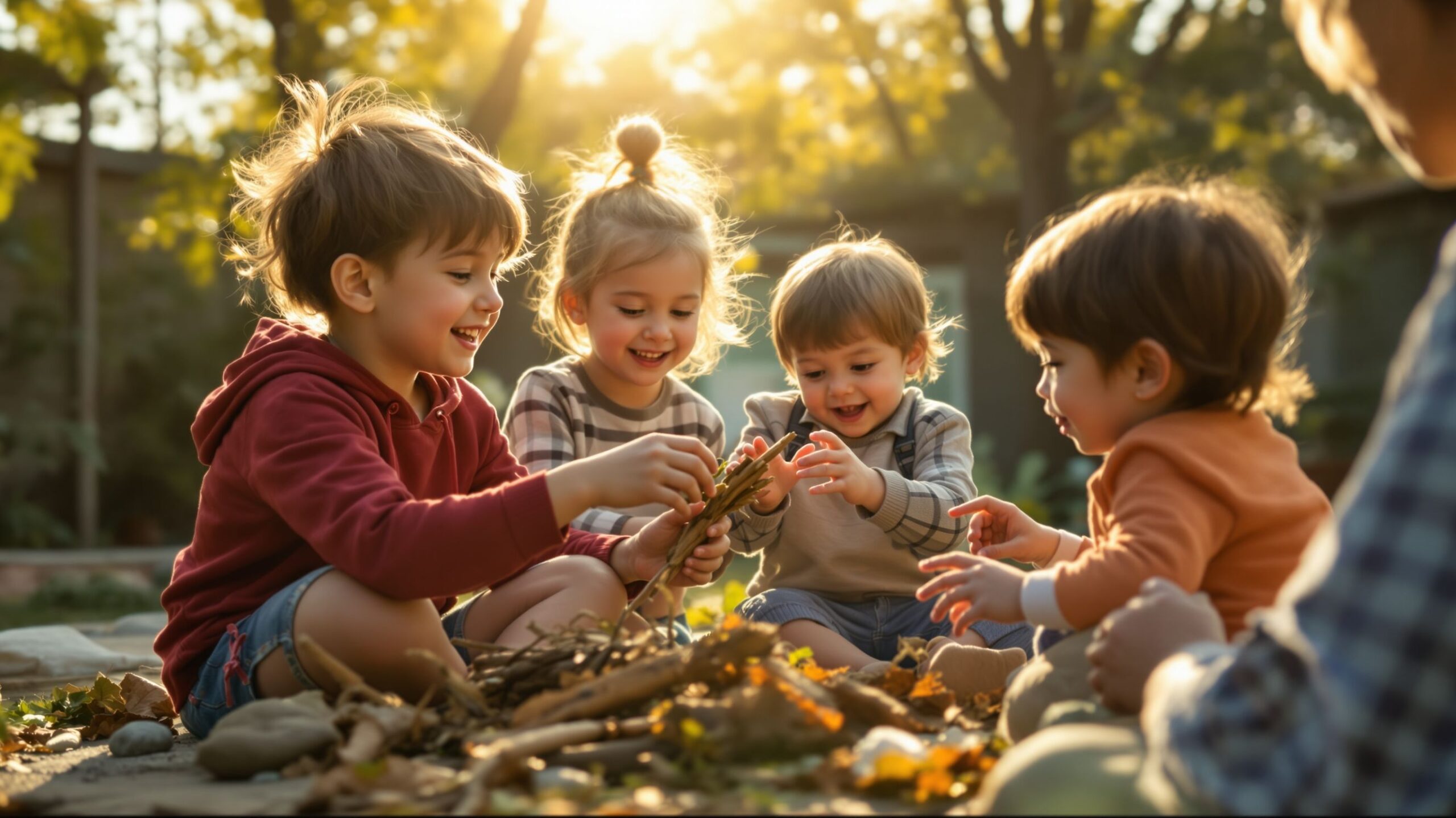
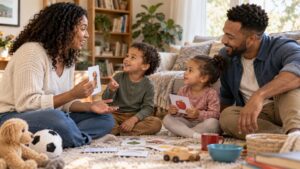
Language & Communication is where children find their voice and learn how to share ideas, feelings, and stories with the world. This section explores how language develops through everyday interactions—conversations, songs, gestures, questions, and imaginative play. From first words and expanding vocabulary to listening skills and expressive storytelling, these early experiences shape how children connect with others and understand themselves. The articles here highlight how communication supports emotional growth, social confidence, and learning across every subject. You’ll discover how responsive conversations build trust, how play strengthens expressive language, and how listening is just as important as speaking. Language & Communication celebrates the power of words, sounds, and shared moments, showing that meaningful dialogue doesn’t require perfection—just presence and curiosity. It’s about nurturing clear expression and confident listening, helping children build strong communication skills that support relationships, learning, and self-expression for years to come.
A: It varies—understanding comes first.
A: Keep talking and reading—language grows over time.
A: Model correct speech naturally.
A: Yes—they support meaning.
A: Talk during routines and read daily.
A: Limited, shared use is best.
A: That’s normal in bilingual learning.
A: Follow interest—short and frequent works well.
A: Use pictures, toys, and prompts.
A: Connection, listening, and joy.