


Early Learning Foundations
Early Learning Foundations is where curiosity takes its very first confident steps. This space explores the building blocks that shape how children think, communicate, move, and connect with the world during their most formative years. From early language sparks and playful problem-solving to emotional awareness, sensory discovery, and social growth, these foundations influence everything that follows. The articles in this section dive into how young minds learn best through everyday

Reading & Story Skills
Reading & Story Skills open the door to imagination, language, and lifelong learning. This section explores how stories help children make sense of the world, build vocabulary, and develop early comprehension long before they can read independently. From listening to bedtime stories and pointing at pictures to recognizing letters, sounds, and story patterns, these moments quietly shape how children understand language and meaning. The articles here dive into how reading

Math Adventures
Math Adventures turns everyday moments into playful discoveries with numbers, patterns, and problem-solving. This section explores how early math skills begin long before worksheets or equations, growing through counting toys, sorting shapes, comparing sizes, and noticing patterns in daily life. From stacking blocks and sharing snacks to recognizing numbers and exploring simple measurements, children naturally build math confidence through hands-on experiences. The articles in this space show how math supports
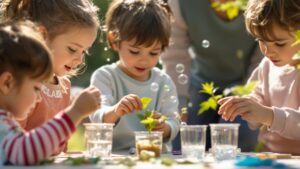
Nature & Earth Discovery
Science Explorations invites children to discover how the world works through wonder, questions, and hands-on discovery. This section focuses on early scientific thinking that grows from simple experiences—watching plants sprout, mixing water and sand, exploring light and shadow, or observing insects in the yard. These everyday moments help children learn to ask questions, notice patterns, and test ideas in playful, age-appropriate ways. The articles here explore how curiosity fuels problem-solving,

History & World Cultures
History & World Cultures introduces children to the stories, people, and traditions that shape our shared world. This section explores big ideas in gentle, age-appropriate ways—helping children understand time, community, and how different cultures live, celebrate, and grow. Through stories, maps, music, food, and traditions, young learners begin to see how the past connects to the present and how people around the world share both differences and common ground. The
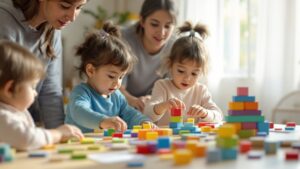
Logic, Patterns & Thinking
Logic, Patterns & Thinking helps children build the mental tools they use to reason, solve problems, and make sense of the world. This section explores how early thinking skills develop through play—spotting patterns, sorting objects, making predictions, and figuring out what comes next. From puzzles and matching games to everyday choices and cause-and-effect moments, children learn to think critically while having fun. The articles here highlight how logic supports focus,

Language & Communication
Language & Communication is where children find their voice and learn how to share ideas, feelings, and stories with the world. This section explores how language develops through everyday interactions—conversations, songs, gestures, questions, and imaginative play. From first words and expanding vocabulary to listening skills and expressive storytelling, these early experiences shape how children connect with others and understand themselves. The articles here highlight how communication supports emotional growth, social

Creative Writing for Kids
Creative Writing for Kids invites children to turn thoughts, ideas, and imagination into stories of their own. This section explores how early writing grows from storytelling, drawing, pretend play, and playful experiments with words. From inventing characters and adventures to expressing feelings and observations, children learn that writing is a powerful way to communicate and create. The articles here focus on building confidence rather than perfection, showing how creativity flourishes
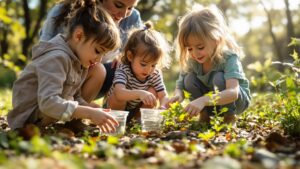
Science Explorations
Science Explorations invites children to discover how the world works through wonder, questions, and hands-on discovery. This section focuses on early scientific thinking that grows from simple experiences—watching plants sprout, mixing water and sand, exploring light and shadow, or observing insects in the yard. These everyday moments help children learn to ask questions, notice patterns, and test ideas in playful, age-appropriate ways. The articles here explore how curiosity fuels problem-solving,