
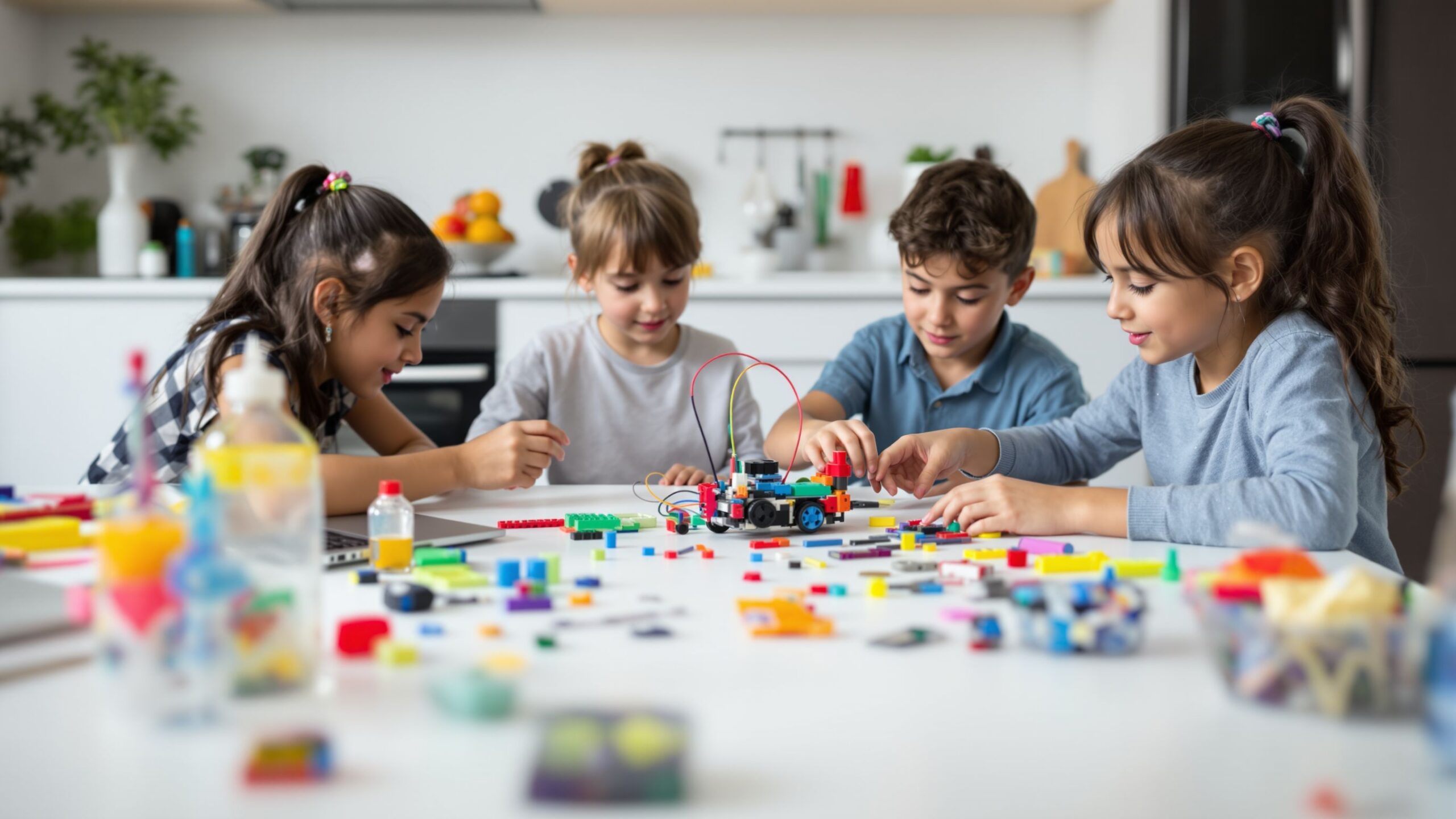
Step into a world where curiosity leads the way and learning feels like an adventure. Our Learning Toys & STEM Kits section is packed with hands-on experiences that turn everyday play into exciting discoveries. From building robots and coding simple games to experimenting with science kits and engineering challenges, these toys inspire kids to think, create, and explore like real innovators. Each review dives into how these kits support problem-solving, creativity, and critical thinking—while still being fun enough to keep kids fully engaged. Whether your child loves science experiments, tech gadgets, or building things from scratch, you’ll find options that match their interests and grow with their skills. We highlight age-appropriate picks, skill-building benefits, and real play experiences so you can choose with confidence. Perfect for curious minds, future engineers, and little inventors, these toys don’t just entertain—they empower. Get ready to spark big ideas, boost confidence, and turn playtime into a launchpad for lifelong learning.
A: It should be fun, age-appropriate, hands-on, and strong enough to keep kids curious after the first use.
A: No. Many STEM toys are designed for younger children using simple building, sorting, magnet, or beginner coding concepts.
A: Yes, especially when they build problem-solving, creativity, fine motor skills, and confidence through play.
A: They can be, but kits with repeatable projects or reusable parts often offer better long-term value.
A: Look for kits with simple steps, clear pictures, and smaller challenges that build confidence gradually.
A: Some kits need guidance, but the best ones still let kids do meaningful parts on their own.
A: Yes. Many screen-free coding toys teach sequencing, logic, and commands through physical pieces and movement.
A: Match it to your child’s interests, like robots, space, experiments, building, animals, or puzzles.
A: The best ones do, especially if they allow rebuilding, new experiments, or different challenge levels.
A: Kids keep asking questions, trying new ideas, and returning to it because discovery still feels exciting.