
Help a Friendship Grow Through a Shared Activity and a Clear Invitation
Ask whom the child enjoys spending time with, choose an activity both might like, and arrange a manageable opportunity to meet. The drawing-visit example below shows how to prepare materials, explain the ending, support different preferences, and decide whether to repeat the visit. Later sections cover disagreements, contact between meetings, and changing interests. Adults handle practical access and safety while the children discover whether they want more time together. Start with one wanted connection and the next real opportunity to enjoy it.
A: The useful focus is wanted, respectful connection rather than a particular number of companions.
A: A specific manageable activity, clear timing, and caregiver coordination provide a simple plan.
A: Children can put special belongings away and offer materials they are comfortable sharing.
A: Provide age-appropriate supervision and needed support while allowing harmless choices and negotiation.
A: Personal boundaries remain valid within friendship and should be respected.
A: Review the recurring imbalance and support both children's access to choices and safety.
A: Bullying has features including aggression, power imbalance, and repetition; other harmful incidents still need attention.
A: Look for realistic shared settings or suitable caregiver-arranged contact that does not impose a costly routine.
A: They can be respectful while choosing different companionship and deciding appropriate contact.
A: Persistent loneliness, exclusion, anxiety, or conflict affecting daily life warrants discussion with appropriate school or health professionals.
Ask What Friendship Means to This Child
Start with the child’s experience rather than an adult picture of a popular childhood. Ask who they enjoy being around, what they like doing together, and whether they want more opportunities to meet. A child may name someone from a class, neighborhood, family gathering, or accessible online activity. The answer may also be that they are content with their current relationships. Make room for that response before arranging additional social commitments.
Avoid treating solitary interests as evidence that something is wrong. Look at whether the child feels connected in ways that matter to them and whether they can access desired companionship. There is a meaningful difference between choosing time alone and feeling excluded from wanted contact. If you are unsure, keep the conversation open and ask about specific experiences rather than applying a label.
Look for Shared Activity Before Instant Closeness
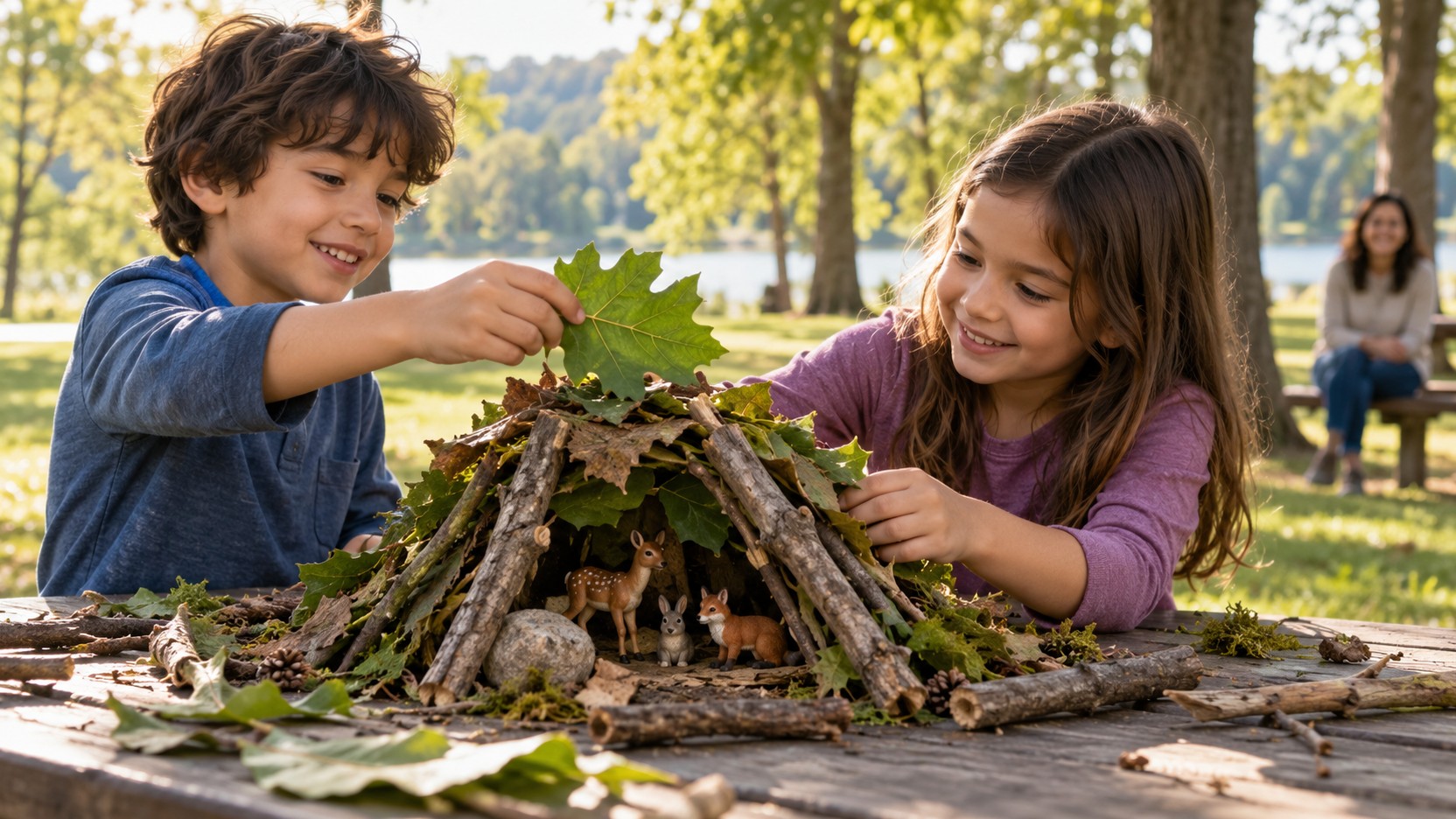
Common interests can provide a natural reason to interact. A child who likes making miniature habitats might enjoy a small nature group, while another may prefer drawing beside one familiar classmate. Seek settings where the activity is enjoyable even before a close relationship develops. Repeated comfortable contact can allow children to learn about each other without pressure to declare a best friend.
Consider the setting’s practical demands. Noise, transport, cost, communication access, physical layout, and adult support can determine whether an opportunity is usable. Ask the child what would help them participate. An activity with the right theme may still be a poor match if the environment is exhausting or the interaction rules are unclear.
Keep expectations proportionate. Attending a group once does not promise a friendship, and a pleasant interaction does not require an immediate invitation. Notice whether the child wants to return and whether the other children respond with interest. Mutual willingness is a better guide than an adult timetable.
Offer a Small Specific Invitation
Ask the child before contacting the other caregiver, then name an activity, place, time, and ending. An example is, “Would Alex like to draw with Jo at our home on Saturday from two until half past two? I’ll be there throughout, and we’ll have separate materials available.” Confirm arrival, collection, and any relevant access or care arrangements privately. Leave room for the family to suggest another time or decline. If the invitation is accepted, tell your child what is confirmed and which details they can choose, such as the prepared drawing tools or whether a shared background will be available. The children then arrive with an understandable plan. For an outdoor meeting, agree on a change-of-weather plan and how caregivers will confirm it. State which ordinary materials are provided so another household does not prepare unnecessary equipment or duplicate the setup.
Plan the Visit Around Comfort and Choice
For a first drawing visit, agree on a half-hour at home with both caregivers clear about arrival, supervision, and collection. Put out two sets of familiar drawing tools, a few broad sheets, and an optional shared backing for a pretend town. The host can put treasured sketchbooks away beforehand. Begin with each child drawing a building, then leave them free to combine the pictures or work beside one another. If one wants to stop early, offer the agreed quiet alternative rather than making continued drawing the price of being a good host.
Prepare an ending that does not depend on the children stopping instantly. A short advance reminder, time to put a project somewhere safe, and a clear goodbye can make departure more understandable. If the children want to continue another day, note the unfinished idea with their permission. The visit does not need to end at the moment play becomes difficult or exhausting. Explain the important household boundaries simply. Children should know where they may play, how to find an adult, and what to do if they want a break. Check relevant access, food, health, and safety needs with caregivers without turning the visit into a public discussion of private information. A welcoming plan makes participation easier while leaving plenty of room for spontaneous play.
Stay Available Without Directing Every Exchange
Introduce the shared starting point briefly: “These are the separate drawing sheets, and this larger backing is here if you both want a town.” Show how to find the responsible adult, then leave space for the children to begin. Step in for a missed instruction, a practical barrier, exclusion, or an unsafe action rather than commenting on every choice. If a child asks what another meant, help them check the message with that person. The adult’s availability supports the exchange while the children’s responses guide what happens next.
Teach Reciprocity Through Real Decisions
During the drawing visit, one child may want a shared town while the other wants a separate picture. Ask each what they are making before proposing an arrangement. They might draw separate buildings and place them together later, or keep two pictures beside one another. The practical choice gives both interests a place without requiring every action to be shared.
For one wanted tool, explain the actual handover. “Alex is finishing this roof, then Jo can use the blue pencil” is clearer than “Be patient.” Check that the first child understands the stopping point and that the second receives the promised turn. Provide another suitable tool where possible. A working arrangement depends on the exchange happening as explained.
Notice how choices are distributed over the visit. One child might select the first activity and the other suggest the next, while either can decline an optional contribution. Ask whether the arrangement works for both. Communication can happen through speech, gestures, a device, or another usual method, with time to respond. Keep boundaries around personal items and contact clear so agreement has a reliable meaning.
Help Children Repair Ordinary Disagreements
If one child draws across another’s unfinished page, stop further changes and ask what each intended once they can communicate. One may have thought they were connecting the road, while the other wanted a separate picture. Name the practical effect without deciding that an intention erases it. Ask what can be restored or changed in the next part.
The maker might want a spare extension sheet, help rebuilding one area, or to continue separately. Ask before carrying out the repair, and clarify that additions to another person’s page need agreement. An apology can acknowledge the effect while the practical change addresses the work. If the same child repeatedly loses their say, review the wider pattern rather than treating every incident as a balanced disagreement.
Take Harm and Exclusion Seriously
Friendship coaching should never require accepting threats, humiliation, coercion, or injury. Listen carefully when a child reports a problem and work with responsible adults to make the setting safer. StopBullying.gov distinguishes bullying through unwanted aggression involving a power imbalance and repetition or the potential for repetition. Whether or not a particular incident meets that definition, harmful behavior deserves an appropriate response. Do not make continued access to a supposed friendship the reason to overlook the child’s safety.
Support Contact Between Opportunities to Meet
Choose a next opportunity the families can actually manage. If one household cannot host, a familiar suitable park, a school event, or another caregiver-coordinated place may fit. Confirm the activity, travel, supervision, and ending rather than leaving the invitation as a general promise to meet sometime. Ask the child whether the proposed setting still gives them the kind of contact they wanted.
For digital contact, use age-appropriate family arrangements, suitable supervision, and the platform’s applicable rules. Explain who the contact is, how the exchange happens, and how the child gets help if something becomes uncomfortable. A brief caregiver-arranged call can have a clear purpose, such as showing the next drawing or discussing a shared interest. Keep private information protected, and do not assume that an online interest alone establishes a safe relationship.
If a visit cannot happen this week, state what is known instead of promising a date that has not been agreed. Another caregiver may offer a later opportunity, or the family can wait before inviting again. Help the child distinguish one unavailable afternoon from a continuing lack of mutual interest, while accepting that either can feel disappointing. Contact works best when both sides want it. Respect an ongoing lack of response rather than turning persistence into repeated unwanted invitations.
Allow Interests and Friendships to Change
Children may move toward different activities or find that a once-close relationship feels less comfortable. Listen without demanding that they preserve a friendship for adult convenience. They can remain civil while spending more time elsewhere. Avoid speaking dismissively about the other child or requiring a dramatic final declaration.
If the change is painful, acknowledge the loss and keep ordinary opportunities for connection available. Do not promise an immediate replacement friend. A child can miss someone while exploring another activity or enjoying family companionship. The adult’s role is to stay available and help them make thoughtful choices about contact and boundaries.
Review the Experience Without Counting Friends
After that visit, ask which part the child would want to repeat: separate drawing, making a shared town, or simply spending time beside the other child. Ask about one adjustment, such as a shorter visit or more space between the work areas. A wish for another meeting is useful information, but one pleasant visit does not require an immediate friendship label. If the child does not want to repeat it, listen to the reason before proposing another invitation. The aim is mutual enjoyment and room to contribute, rather than a larger count of contacts.
Use the Visit to Plan the Next Wanted Opportunity
Choose the next invitation through what the child wants to repeat. They may prefer separate drawing beside the same peer, a shared game in another setting, or a shorter visit. Keep the practical arrangement that helped and change the feature that interrupted enjoyment. A familiar activity can provide another chance to connect without demanding an immediate friendship label.
If wanted connection remains difficult, ask relevant staff or a health professional for guidance, especially when loneliness, anxiety, exclusion, or conflict persists or affects daily life. Bring specific events and the child’s account. Include what other participants and adults did, so the setting receives attention alongside any individual skill question.
Keep ordinary time together available as the plan develops. Clear invitations, usable materials, appropriate help, and respect for both children’s preferences give a relationship room to grow. The next useful step is a meeting the child wants and the adults can actually support.