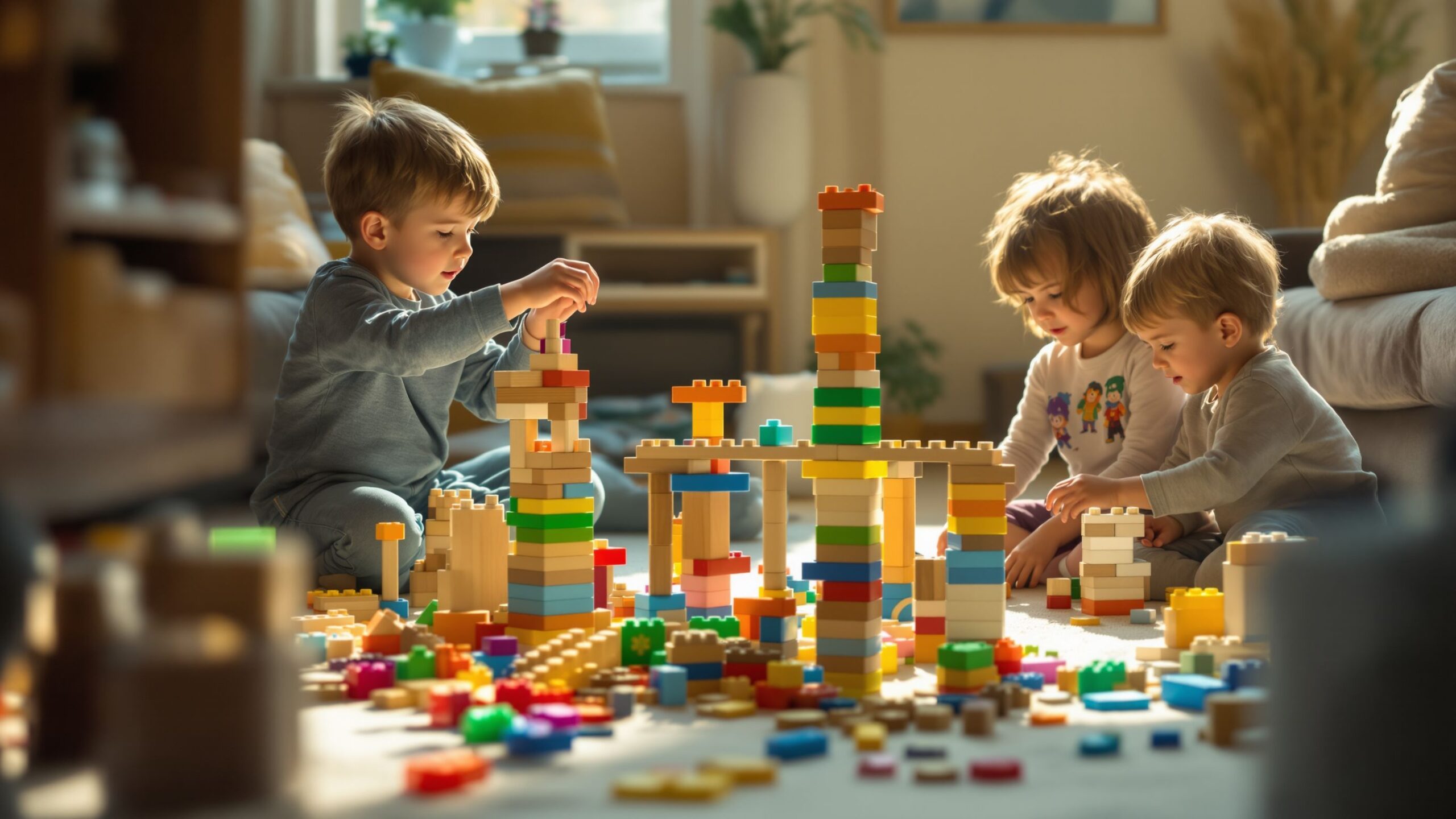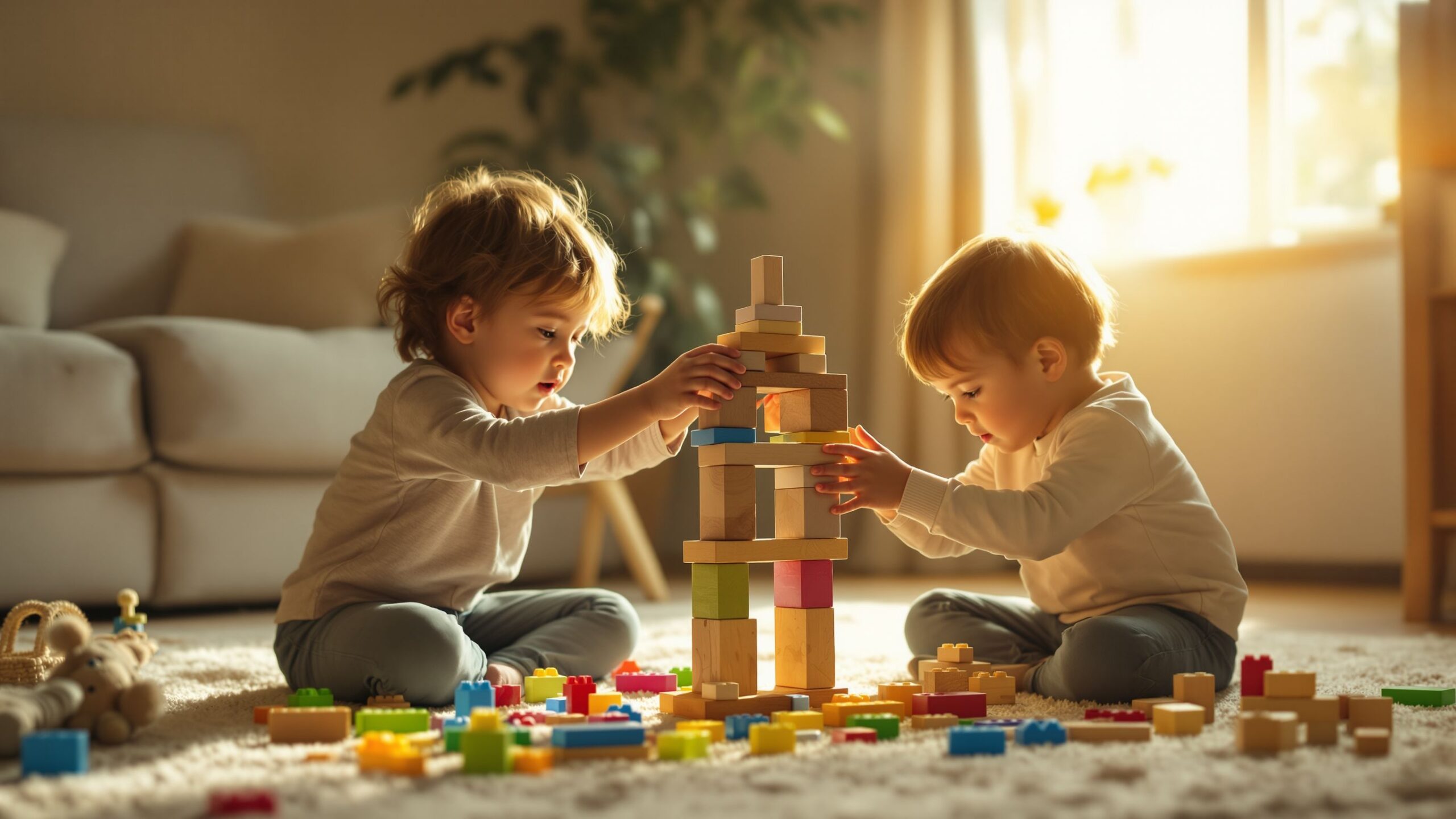
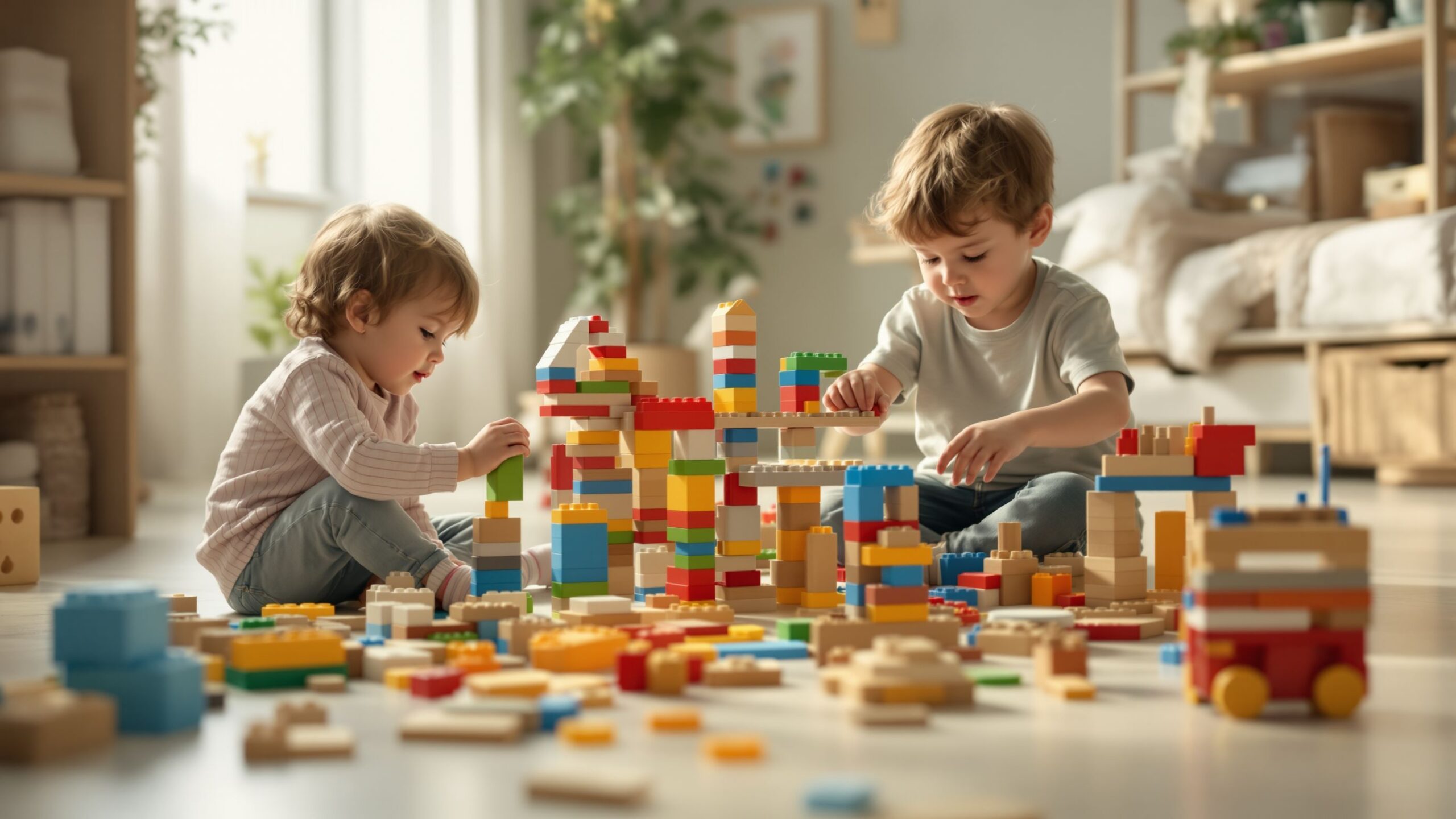
Building toys have long been a cornerstone of childhood development, offering children the chance to create, experiment, and explore the world through hands-on play. From simple wooden blocks to advanced construction kits, these toys unlock imagination while strengthening essential skills like problem-solving, spatial awareness, and creativity. In today’s fast-paced digital world, building toys remain one of the most effective ways to engage children in meaningful, screen-free play that supports both learning and fun. This guide explores the best building toys available for kids and dives into creative construction play ideas that inspire curiosity, innovation, and confidence. Whether you’re a parent, educator, or caregiver, understanding how to choose the right building toys and activities can transform playtime into a powerful developmental experience.
A: Large blocks, foam bricks, and simple stacking toys are great for younger kids.
A: Yes, they support STEM learning, creativity, motor skills, and problem-solving.
A: Add challenges, stories, or themes like cities, castles, or construction sites.
A: Absolutely—household items like boxes, cups, and sticks work great.
A: Kids can start as toddlers with safe materials and grow into more complex builds over time.
A: Give shared goals like building a city or bridge together.
A: Encourage breaks, smaller builds, and remind them mistakes are part of learning.
A: No, simple and recycled materials can be just as fun and creative.
A: Use bins, labels, and designated play areas.
A: Creativity, coordination, planning, problem-solving, and social skills.
Why Building Toys Matter More Than Ever
Building toys are not just entertainment—they are tools for growth. When children engage in construction play, they are actively learning how to think critically and solve problems. Each structure they build requires decisions about balance, shape, and design. These decisions help develop logical thinking and resilience, especially when things don’t go as planned.
In an era where passive screen time often dominates, building toys offer a refreshing alternative. They encourage active engagement, requiring children to use both their minds and bodies. This type of play fosters independence and helps children develop a sense of accomplishment as they bring their ideas to life.
Moreover, building toys support emotional development. Completing a project—whether it’s a simple tower or a complex structure—gives children a sense of pride. This builds confidence and motivates them to take on new challenges, creating a positive cycle of growth and exploration.
Classic Building Toys That Never Go Out of Style
Some building toys have stood the test of time for good reason. Traditional wooden blocks, for example, remain one of the most versatile and open-ended toys available. They allow children to build anything they can imagine, without limitations imposed by instructions or specific designs.
Interlocking brick systems are another classic favorite. These toys provide more structure, enabling kids to create detailed and complex builds. They also introduce the concept of following instructions, which can be an important skill as children grow older.
Stacking toys, shape sorters, and simple construction sets are perfect for younger children. These toys focus on foundational skills like coordination, balance, and pattern recognition. Their simplicity makes them accessible while still offering plenty of opportunities for creativity.
The enduring popularity of these classic toys highlights their effectiveness. They continue to inspire generations of children, proving that the simplest tools are often the most powerful.
Modern Building Toys That Spark Innovation
While classic toys remain essential, modern building toys have introduced exciting new possibilities. Magnetic tiles, for instance, allow children to explore geometry and design in a visually engaging way. The magnetic connections make it easier to create complex structures, encouraging experimentation and creativity.
Construction kits with gears, wheels, and moving parts add another layer of learning. These toys introduce basic engineering concepts, helping children understand how different components work together. They also encourage problem-solving as kids figure out how to make their creations move or function.
Some modern building toys incorporate elements of coding or robotics, blending physical construction with digital interaction. These toys are especially valuable for older children, as they provide an introduction to technology and programming in a hands-on, accessible way.
The innovation in modern building toys ensures that construction play continues to evolve, keeping pace with the interests and needs of today’s children.
Choosing the Right Building Toys by Age
Selecting the right building toys depends largely on a child’s age and developmental stage. For toddlers, large, easy-to-handle pieces are essential. These toys should be safe, durable, and simple enough to encourage exploration without frustration.
Preschoolers are ready for more complex materials that allow for greater creativity. Interlocking bricks, magnetic tiles, and basic construction sets are ideal at this stage. These toys help children begin to plan their builds and create recognizable structures.
School-age children benefit from advanced building kits that challenge their skills and encourage independent thinking. These might include detailed construction sets, engineering kits, or projects that require following instructions. At this stage, children often enjoy setting goals and working toward completing more intricate designs.
By matching toys to a child’s developmental level, you can ensure that building play remains both engaging and rewarding.
Creative Construction Play Ideas for Endless Fun
The possibilities for construction play are nearly limitless. One of the simplest ideas is free building, where children use available materials to create whatever they imagine. This open-ended approach encourages creativity and allows kids to explore their own ideas without constraints.
Themed building challenges can add an extra layer of excitement. For example, children might be tasked with building a bridge that can support weight or designing a house for a favorite toy. These challenges introduce problem-solving while keeping play fun and engaging.
Fort building is another timeless activity that combines construction with imaginative play. Using blankets, pillows, and furniture, children can create their own cozy spaces. This type of play encourages collaboration and creativity while also providing a sense of adventure.
Outdoor construction projects, such as building with sand, sticks, or recycled materials, offer a different kind of experience. These activities connect children with nature and encourage exploration on a larger scale.
How Building Toys Support STEM Learning
Building toys naturally introduce children to STEM concepts in an engaging and accessible way. When children stack blocks, they learn about balance and gravity. When they create symmetrical designs, they explore mathematical patterns. When they build structures, they are engaging in basic engineering.
These lessons are not taught through lectures but through hands-on experience. Children learn by doing, experimenting, and observing outcomes. This approach makes complex concepts easier to understand and remember.
As children grow, building toys can become more advanced, introducing ideas like structural stability, mechanics, and even coding. These experiences lay the foundation for future interest in science and technology, making construction play an invaluable educational tool.
Encouraging Independent and Collaborative Play
Building toys are equally effective for independent and group play. When children build alone, they have the freedom to explore their ideas and work at their own pace. This independence fosters creativity and self-confidence.
Group play, on the other hand, introduces valuable social skills. Children learn to share materials, communicate ideas, and work together toward a common goal. Collaborative building projects often result in more complex and imaginative creations, as each child contributes their unique perspective.
Encouraging both types of play provides a balanced experience. It allows children to develop independence while also learning how to collaborate and communicate effectively.
Creating a Space That Inspires Building
The environment in which children play can greatly influence their creativity. A dedicated building space, even a small one, can make a big difference. This space should be organized, accessible, and inviting, with materials readily available for use.
Allowing children to leave projects unfinished encourages long-term thinking and deeper engagement. They can return to their creations, refine them, and expand on their ideas over time.
Rotating building materials periodically can also keep play fresh and exciting. Introducing new elements or challenges prevents boredom and inspires new ideas, ensuring that construction play remains engaging.
Balancing Digital and Hands-On Building Experiences
Digital building games and apps have become increasingly popular, offering children new ways to create and design. These platforms can enhance spatial reasoning and introduce concepts like virtual architecture and design.
However, it is important to balance digital experiences with hands-on play. Physical building provides sensory feedback and motor skill development that digital play cannot replicate. The combination of both can create a well-rounded experience, allowing children to explore different aspects of construction.
Encouraging children to bring ideas from digital platforms into the physical world can also be beneficial. For example, they might recreate a virtual design using real materials, bridging the gap between digital and hands-on learning.
Long-Term Benefits of Construction Play
The skills developed through building toys extend far beyond childhood. Problem-solving, creativity, and resilience are essential for success in many areas of life. Construction play helps children develop these skills in a natural and enjoyable way.
Children who engage in building play often develop a strong sense of curiosity and a willingness to experiment. They learn to approach challenges with confidence and view mistakes as opportunities to learn.
These traits are invaluable in a rapidly changing world. The ability to think creatively, adapt to new situations, and solve problems is more important than ever. Building toys provide a foundation for these skills, preparing children for future success.
Turning Play Into Possibility
Building toys and construction play ideas offer endless opportunities for growth, creativity, and fun. By providing children with the right tools and encouraging exploration, parents and educators can transform playtime into a meaningful learning experience.
From classic blocks to modern construction kits, the world of building toys is rich with possibilities. Each structure a child creates is more than just a plaything—it is a step toward developing critical skills, building confidence, and unlocking their potential.
In the end, the true value of building toys lies not in the structures themselves, but in the ideas, skills, and imagination they inspire. Through construction play, children learn that they have the power to create, innovate, and shape their own world.