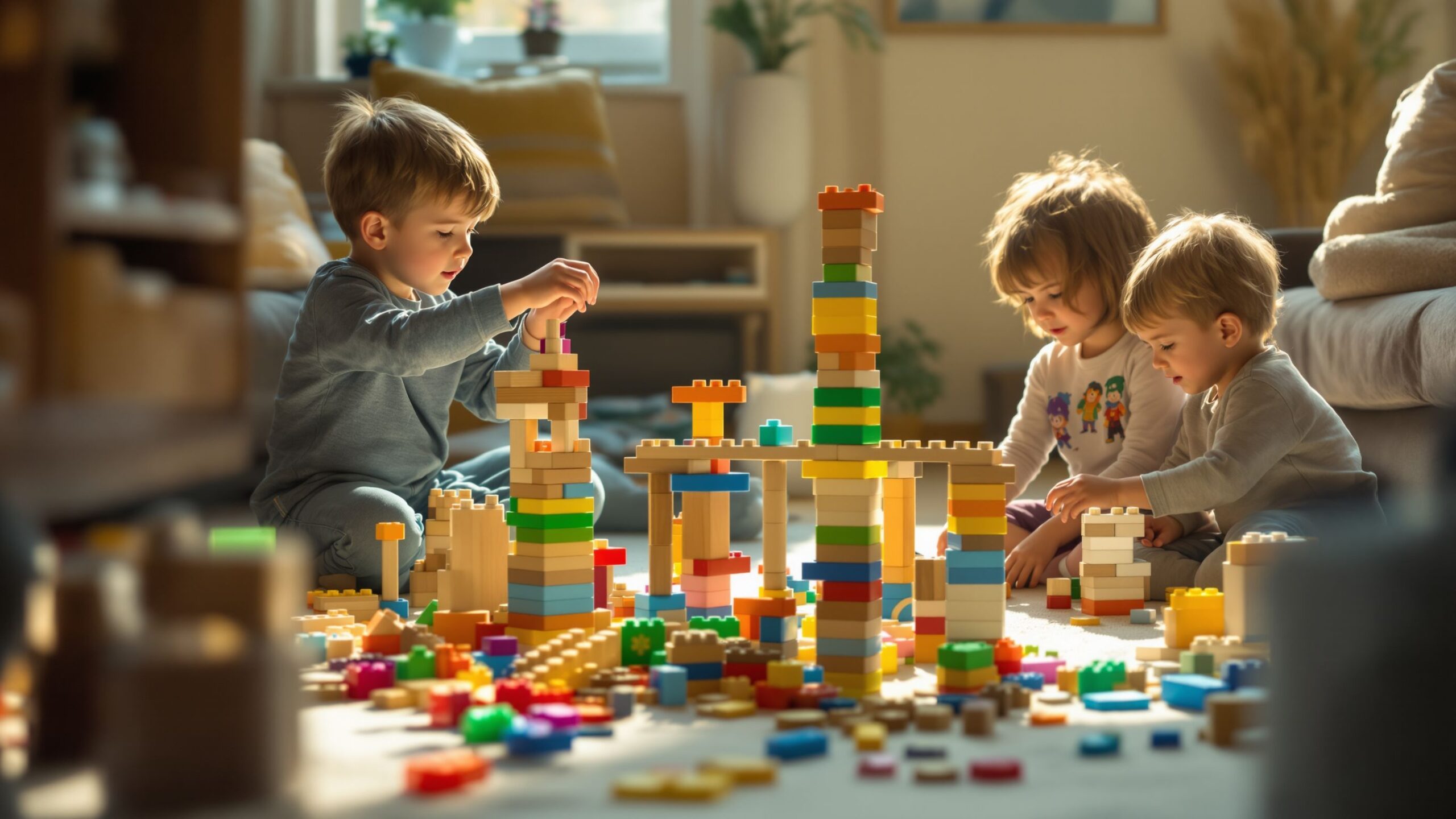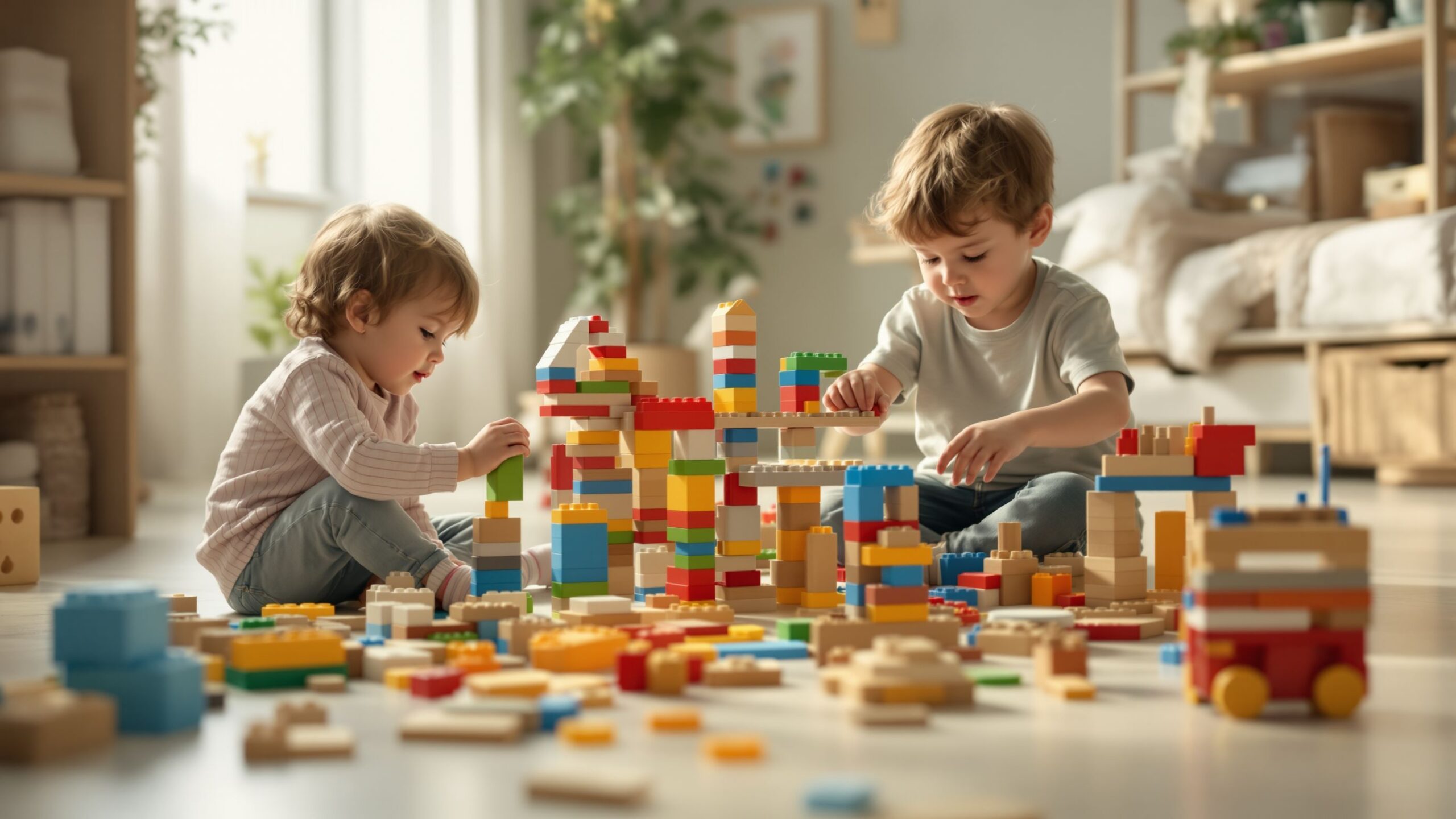
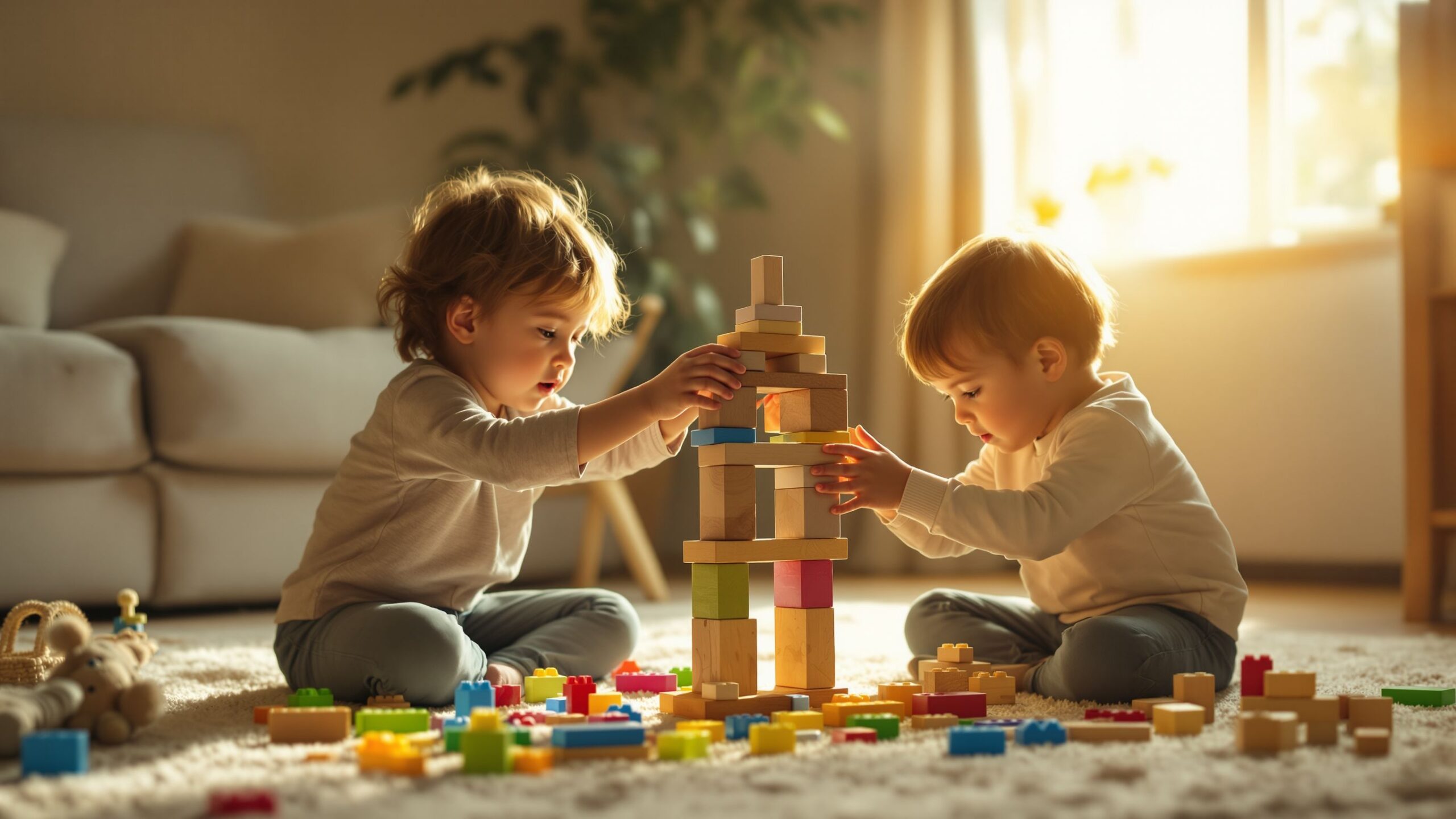
Building and construction play is one of the most effective and engaging ways to support a child’s overall development. From stacking blocks to designing elaborate structures, these hands-on activities offer far more than simple entertainment. They shape the way children think, move, interact, and solve problems. In a world where learning is increasingly digital, construction play stands out as a powerful, tactile experience that connects imagination with real-world skills. It is through building that children begin to understand not only how things fit together, but also how they themselves fit into the process of learning and creating.
A: It improves motor skills, problem-solving, creativity, and social abilities.
A: Toddlers can start with large blocks and progress to more complex builds as they grow.
A: Yes, it introduces science, technology, engineering, and math concepts in a fun way.
A: Provide open-ended materials, ask questions, and avoid directing their designs too much.
A: Encourage small steps, celebrate effort, and remind them mistakes are part of learning.
A: Yes, especially when kids build together and share ideas.
A: No, simple materials like boxes and cups can be just as effective.
A: Even short sessions are beneficial, but longer play encourages deeper learning.
A: Yes, it encourages concentration and sustained attention.
A: Creativity, coordination, planning, resilience, and teamwork.
The Foundation of Cognitive Growth
At the heart of construction play lies cognitive development. When children build, they are constantly making decisions. They must figure out how to balance pieces, how to make structures stable, and how to adapt when something doesn’t work. This process strengthens critical thinking and problem-solving skills in a way that feels natural and enjoyable.
Each building attempt is essentially a small experiment. If a tower collapses, the child must analyze what went wrong and try again. This trial-and-error process builds resilience and teaches persistence. Over time, children begin to anticipate outcomes, developing the ability to plan ahead and think strategically.
Construction play also enhances memory and concentration. As children work on projects, they must remember their plans, focus on tasks, and stay engaged for extended periods. These skills are essential for academic success and carry over into many other areas of life.
Strengthening Fine and Gross Motor Skills
Building activities are incredibly effective for developing physical coordination. Manipulating small pieces, such as blocks or interlocking bricks, strengthens fine motor skills and improves hand-eye coordination. These skills are crucial for tasks like writing, drawing, and using tools.
Larger construction activities, such as building forts or assembling outdoor structures, engage gross motor skills. Children lift, carry, stack, and arrange materials, developing strength and spatial awareness. This combination of fine and gross motor development makes construction play a well-rounded physical activity.
As children become more skilled, they gain better control over their movements. This increased coordination not only supports physical development but also boosts confidence in their abilities.
Encouraging Creativity and Imagination
Construction play is a gateway to creativity. With a simple set of materials, children can create anything they imagine. A handful of blocks can become a castle, a spaceship, or an entire city. This open-ended nature of building encourages children to think creatively and explore new ideas.
Imagination adds depth to construction play. Children often create stories around their structures, turning them into settings for imaginative adventures. This combination of building and storytelling enhances cognitive flexibility and helps children develop abstract thinking skills.
Creativity in construction play is not about perfection. It is about exploration and expression. By allowing children to experiment freely, adults can nurture their natural curiosity and encourage them to think outside the box.
Developing Early STEM Skills
Building and construction play introduces children to fundamental STEM concepts in an intuitive way. When children stack blocks, they learn about gravity and balance. When they create patterns or symmetrical designs, they explore mathematical relationships. When they build structures, they engage in basic engineering.
These concepts are learned through experience rather than instruction. Children discover how things work by testing ideas and observing results. This hands-on approach makes complex ideas easier to understand and remember.
As children grow, construction play can become more advanced, incorporating elements like gears, moving parts, or simple machines. These experiences lay the groundwork for future interest in science, technology, engineering, and mathematics.
Enhancing Social and Emotional Development
Construction play is not only beneficial for individual growth but also for social development. When children build together, they must communicate, share ideas, and work as a team. These interactions help develop important social skills, such as cooperation and conflict resolution.
Collaborative building projects often require negotiation and compromise. Children learn to listen to others, express their own ideas, and find solutions that work for everyone. These experiences are essential for building strong relationships and effective communication skills.
Emotionally, construction play provides a sense of accomplishment. Completing a project, no matter how simple, gives children a boost of confidence. It shows them that their efforts lead to results, reinforcing a positive attitude toward learning and challenges.
Building Problem-Solving and Critical Thinking Skills
One of the most significant benefits of construction play is its ability to develop problem-solving skills. Every building activity presents challenges that require thoughtful solutions. Whether it’s making a structure more stable or figuring out how pieces fit together, children are constantly engaging in critical thinking.
These challenges encourage children to experiment with different approaches. They learn that there is often more than one solution to a problem, fostering flexibility in their thinking. This adaptability is a valuable skill that extends beyond play into everyday life.
Problem-solving in construction play also teaches children to embrace mistakes. When something doesn’t work, it becomes an opportunity to learn and improve. This mindset helps build resilience and a willingness to take on new challenges.
Supporting Language and Communication Skills
Building play often involves conversation, especially when children work together. They describe their ideas, explain their plans, and discuss how to solve problems. This interaction helps develop vocabulary and communication skills.
Even when playing alone, children may narrate their actions or create stories around their builds. This self-talk supports language development and helps children organize their thoughts.
Adults can enhance this aspect of play by asking open-ended questions and encouraging children to explain their ideas. This not only improves communication skills but also deepens understanding and engagement.
Promoting Independence and Confidence
Construction play encourages independence by allowing children to take control of their projects. They decide what to build, how to build it, and how to overcome challenges. This autonomy fosters a sense of ownership and responsibility.
As children successfully complete projects, their confidence grows. They begin to विश्वास their abilities and feel more willing to try new things. This confidence is essential for personal growth and academic success.
Providing a supportive environment where children feel safe to experiment and make mistakes is key. When children know that their efforts are valued, they are more likely to take risks and explore new ideas.
The Importance of Open-Ended Play
One of the defining features of construction play is its open-ended nature. Unlike toys with a single purpose, building materials can be used in countless ways. This flexibility encourages creativity and allows children to explore their interests.
Open-ended play also supports long-term engagement. Children can return to their projects, modify them, and expand on their ideas over time. This ongoing process fosters deeper learning and sustained interest.
By providing a variety of materials and allowing children to lead their play, adults can create an environment that supports exploration and innovation.
Real-World Connections and Lifelong Skills
Construction play helps children make connections between play and the real world. By building structures, they begin to understand concepts related to architecture, engineering, and design. These connections make learning more meaningful and relevant.
The skills developed through construction play—problem-solving, creativity, collaboration, and resilience—are essential for success in many areas of life. They prepare children for future challenges and opportunities, both academically and personally.
In a rapidly changing world, the ability to think critically and adapt is more important than ever. Construction play provides a strong foundation for these skills, helping children become confident and capable learners.
Building More Than Structures
Building and construction play is far more than a simple activity. It is a powerful tool for development that touches every aspect of a child’s growth. Through building, children learn to think, create, collaborate, and persevere.
By encouraging construction play, parents and educators can provide children with opportunities to explore their potential and develop essential life skills. Each block stacked, each structure built, is a step toward a brighter, more confident future.
In the end, construction play is not just about what children build—it is about what they become in the process.