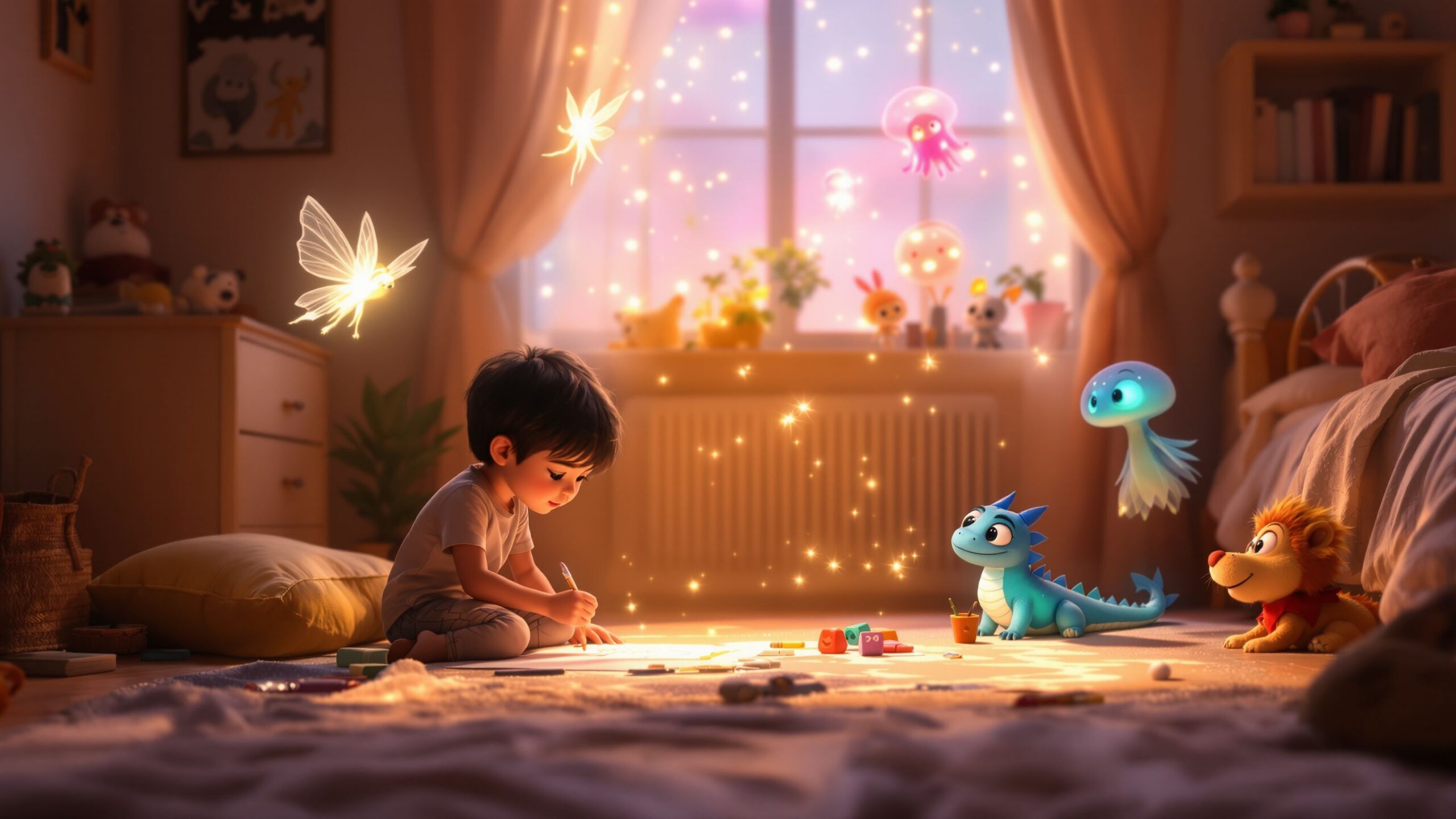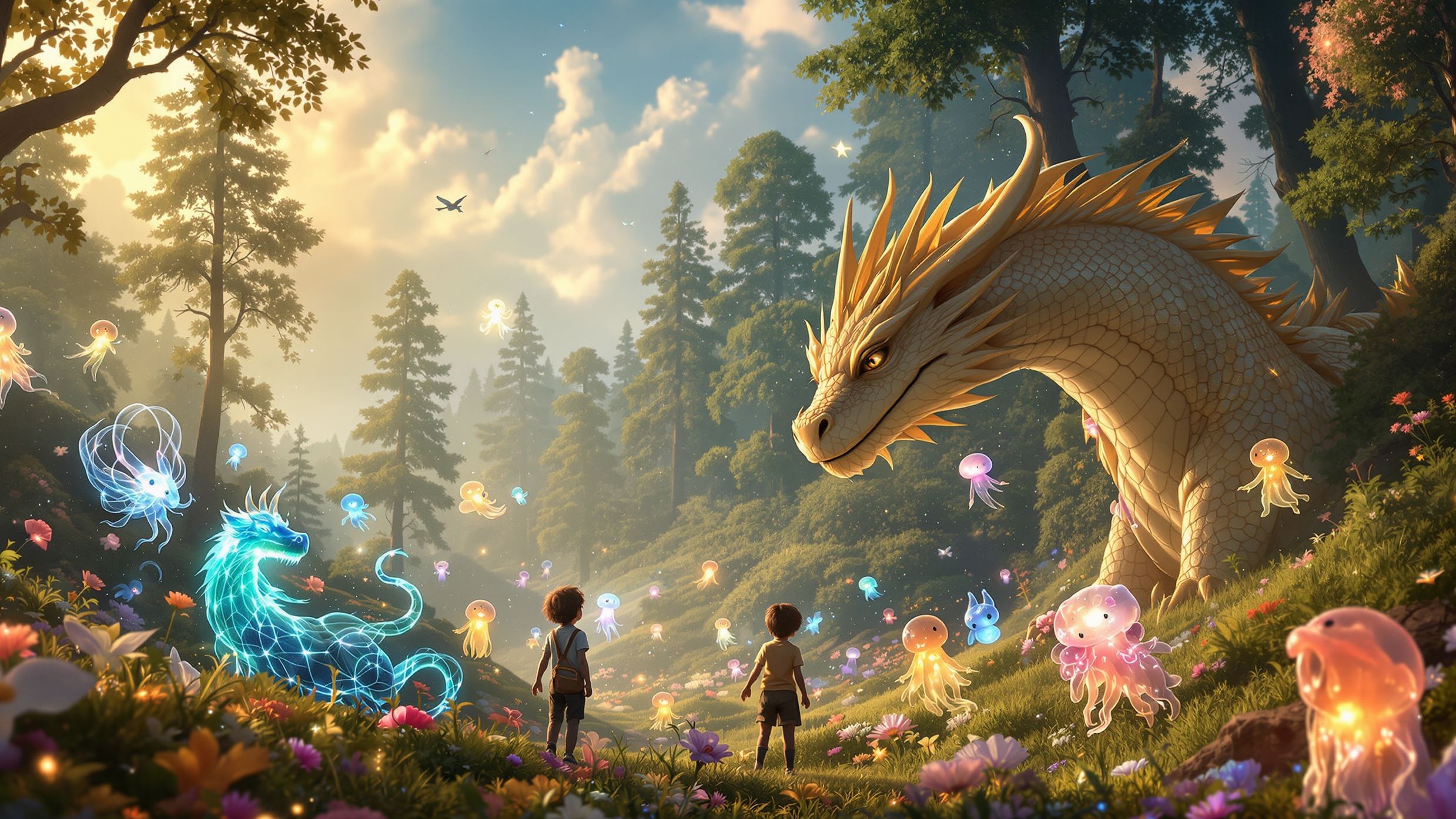
Imagination is one of the most powerful tools a child can develop, and nothing sparks it quite like creating magical characters from scratch. When kids invent their own heroes, creatures, and dreamlike personalities, they step into a world where creativity has no limits and every idea becomes a story waiting to unfold. From enchanted forests to futuristic galaxies, make-believe characters give children the freedom to explore identity, emotion, and adventure in a playful and meaningful way. This guide brings together 50 magical character ideas designed to inspire young minds, encourage storytelling, and transform ordinary playtime into extraordinary journeys.
A: Begin with a name, a special trait, a place to live, and one fun mission.
A: Not always, but one simple power can make pretend play more exciting.
A: Yes, mixing animals, heroes, creatures, jobs, and magical objects creates unique characters.
A: A strong personality, funny detail, clear goal, favorite item, and playful voice.
A: Absolutely. Silly characters often make playtime more joyful and creative.
A: No, they can act, build, sculpt, describe, dress up, or use toys instead.
A: Pick an animal, add a magical job, choose a strange home, and give it a funny problem.
A: Yes, parents can ask questions, build props, act as side characters, or create missions.
A: Yes, make-believe stories are meant to grow, twist, and change during play.
A: As many as they want, from one magical friend to a whole world of heroes and creatures.
Why Make-Believe Characters Matter for Kids
Creating imaginary characters is far more than simple play. It helps children develop emotional intelligence, problem-solving skills, and communication abilities. When kids invent a character, they think about personality, motivation, and challenges. They begin to understand perspective, asking questions like “What would my character do?” or “How would they feel?” These moments build empathy and creativity at the same time.
Make-believe characters also give children a safe space to express themselves. A shy child might create a brave dragon rider, while a curious child might invent a scientist who explores underwater worlds. These characters become extensions of their inner thoughts, helping them process feelings and build confidence through storytelling.
Fantasy Forest Friends and Enchanted Creatures
The natural world is often the starting point for magical imagination, and forest-inspired characters are among the most beloved creations. Children can dream up glowing fairies who light up the night, talking foxes who guard hidden paths, or tree spirits who whisper secrets through rustling leaves. These characters thrive in lush environments filled with mystery and wonder.
A child might imagine a moss-covered giant who protects woodland animals or a tiny mushroom sprite who paints the forest in bright colors each morning. There could be a butterfly queen who controls the seasons or a shy deer spirit who grants wishes to kind-hearted visitors. These characters allow kids to explore themes of nature, kindness, and balance while creating vivid mental worlds.
Magical Heroes and Brave Adventurers
Every story needs a hero, and children love creating characters who go on daring quests and save the day. These heroes don’t have to follow traditional rules. They can be young knights with magical shields, explorers who travel between dimensions, or kids with hidden powers that only appear in moments of courage.
Some children might imagine a cloud surfer who rides storms across the sky, while others might create a time-traveling inventor who fixes mistakes in history. A hero could be a tiny but fearless bug warrior or a gentle giant who solves problems without fighting. These characters help kids understand bravery, resilience, and the importance of helping others.
Mystical Creatures from Faraway Worlds
Beyond forests and castles, imagination stretches into entirely new worlds filled with strange and wonderful beings. Children can invent creatures that glow in the dark, float through space, or communicate through colors and music. These characters push creativity to its limits and encourage kids to think beyond what they already know.
Imagine a crystal dragon that changes shape depending on emotions or a starfish-like alien that tells stories through light patterns. There could be a floating jelly creature that grants dreams or a rock-based being who remembers the history of planets. These creations allow children to explore science fiction ideas while blending them with fantasy.
Whimsical Animal Characters with Personality
Animals often become the heart of children’s stories because they are familiar yet full of possibility. Turning animals into magical characters adds a layer of excitement and charm. Kids can create talking animals with unique talents, such as a baking bear who makes enchanted desserts or a singing bird whose voice can heal sadness.
A mischievous raccoon might collect magical objects, while a wise owl could guide lost travelers. There might be a speedy turtle who defies expectations or a rainbow-colored fish who brings luck to those who believe in magic. These characters help children connect with the natural world while adding imaginative twists that make storytelling more engaging.
Dreamland and Sleepytime Characters
Dreams are a powerful source of inspiration for imaginative play. Characters from dreamland can be surreal, playful, and endlessly creative. Children might invent cloud people who shape dreams, sleepy dragons who guard nighttime secrets, or star collectors who gather wishes from the sky.
A child could imagine a pajama-wearing wizard who turns nightmares into happy adventures or a glowing moon cat who watches over sleeping children. These characters allow kids to explore emotions like fear and comfort in a safe and creative way, turning bedtime into an opportunity for storytelling.
Magical Helpers and Friendly Guides
Not every character needs to be a hero. Some of the most memorable creations are helpers who guide others along their journey. These characters often embody kindness, wisdom, and support. Kids can create magical librarians who know every story ever told or tiny helpers who fix broken toys while everyone sleeps.
There could be a lantern spirit who lights the way in dark places or a cheerful cloud who follows children on adventures, offering encouragement. These characters teach empathy and the value of helping others, reinforcing positive emotional development through imaginative play.
Silly and Playful Characters That Spark Laughter
Humor is a key part of creativity, and silly characters bring joy to any story. Children love inventing quirky personalities that make them laugh and think in unexpected ways. These characters might include a backwards-talking wizard, a dancing potato with magical shoes, or a giggling ghost who tickles instead of scaring.
A child might create a superhero whose power is turning everything into jelly or a dragon who is afraid of bubbles. These playful ideas encourage kids to experiment with creativity without worrying about rules, making imagination feel fun and free.
Villains with a Twist
Even villains can be creative and interesting when approached with imagination. Instead of traditional “bad guys,” children can invent characters with unique motivations or surprising qualities. A villain might not be evil but simply misunderstood, like a shadow creature who just wants a friend or a storm spirit who struggles to control their power.
A child might imagine a grumpy troll who hoards laughter instead of gold or a magician who accidentally causes chaos while trying to help. These characters allow kids to explore complex emotions and understand that not everything is black and white.
Building Stories Around Characters
Once children create their characters, the next step is bringing them to life through stories. Encouraging kids to imagine where their characters live, what challenges they face, and how they interact with others helps deepen their creativity. Stories can be simple adventures, ongoing series, or even collaborative tales shared with friends or family.
Children can act out their stories, draw their characters, or even write short descriptions. These activities strengthen communication skills and build confidence as they share their ideas. The more they explore their characters, the more detailed and engaging their imaginative worlds become.
Encouraging Creativity at Home
Parents and caregivers play an important role in nurturing imagination. Providing open-ended materials like paper, crayons, costumes, or building toys gives kids the tools they need to bring their ideas to life. Asking questions such as “What does your character like?” or “Where does your character live?” can spark deeper thinking without taking control of the creative process.
It’s important to let children lead their own stories, even if they seem unusual or unpredictable. Creativity thrives when there are no strict rules, and kids feel free to explore their ideas without judgment. Celebrating their creations, whether through storytelling, drawing, or play, reinforces their confidence and love for imagination.
The Power of Imagination in Childhood
Make-believe characters are more than just playful inventions. They are stepping stones for growth, learning, and self-expression. Through these creations, children develop storytelling skills, emotional awareness, and a sense of wonder that stays with them as they grow.
The 50 magical character ideas in this guide are only the beginning. Every child has the ability to create countless unique personalities, each with their own story and purpose. By encouraging imaginative play, we give children the chance to explore endless possibilities and discover the joy of creating something entirely their own.
Inspiring Endless Magical Creations
When kids are given the freedom to imagine, they create worlds filled with color, adventure, and meaning. Magical characters become companions, teachers, and heroes in their stories, helping them navigate both fantasy and real life. Whether it’s a glowing fairy, a brave explorer, or a silly dancing creature, each character represents a piece of a child’s creativity.
Encouraging kids to dream up their own magical characters opens the door to endless storytelling possibilities. It transforms everyday moments into imaginative adventures and helps children build skills that will benefit them for years to come. In a world where creativity is more valuable than ever, make-believe characters are the perfect place to start.