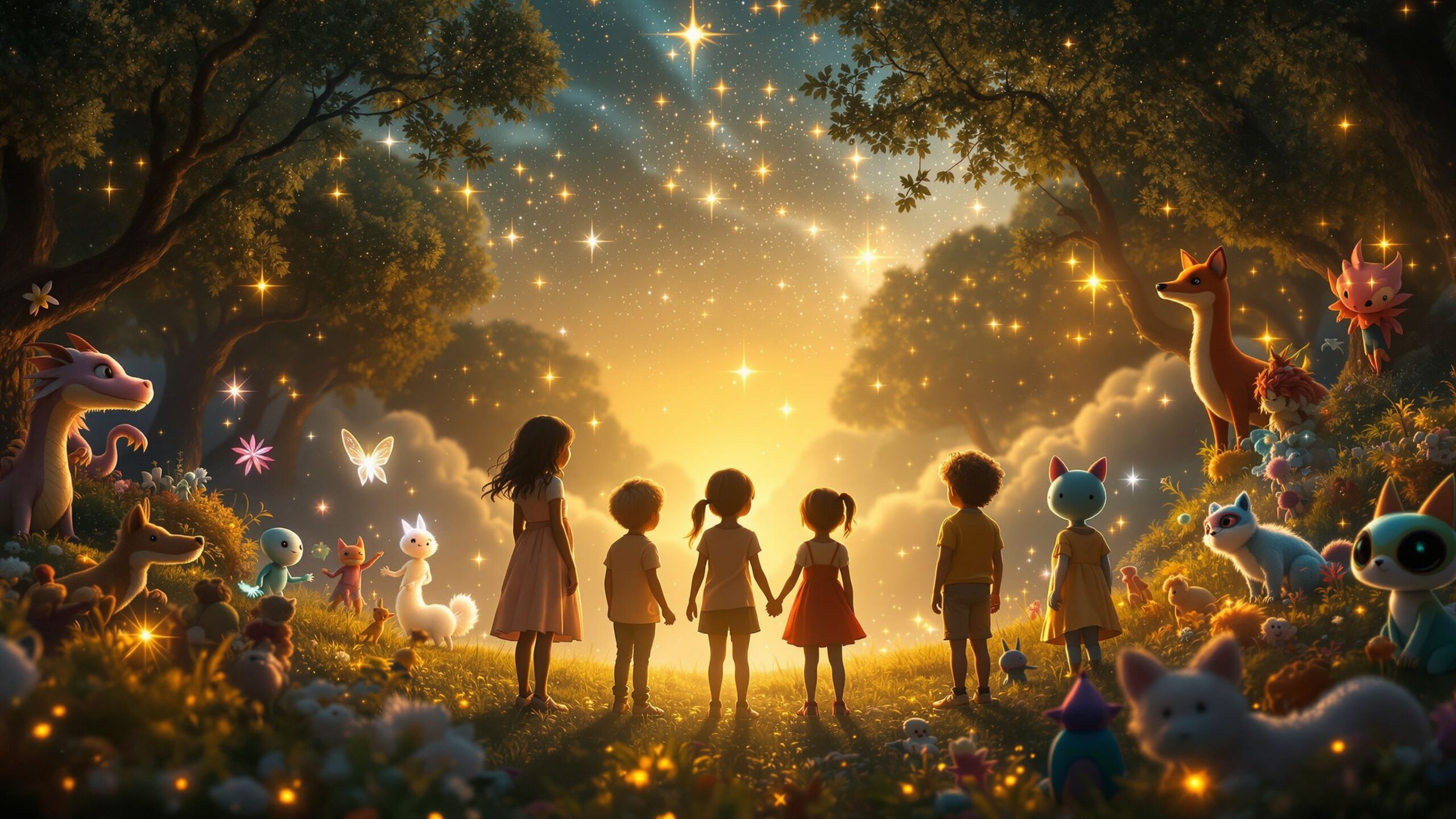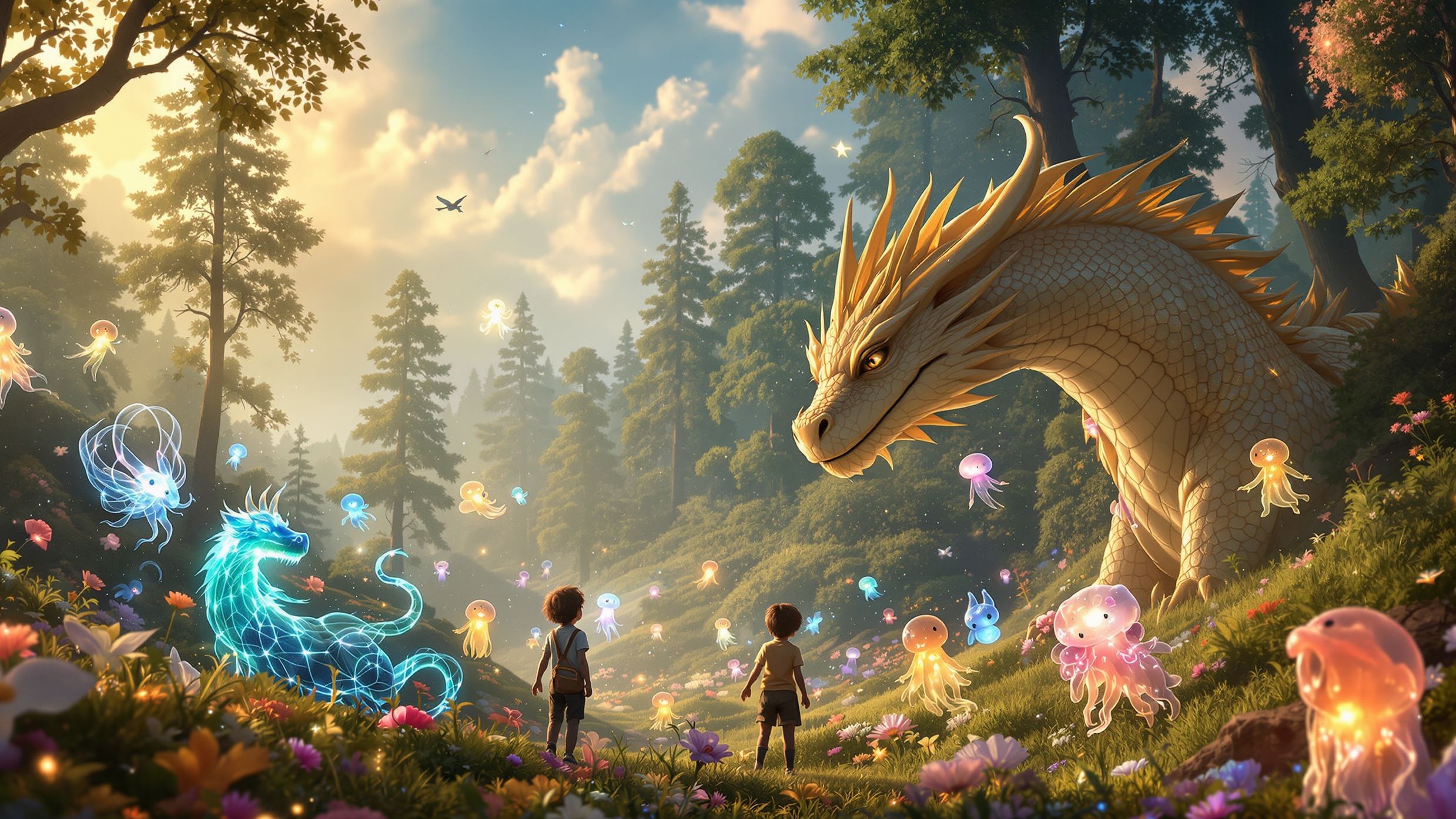
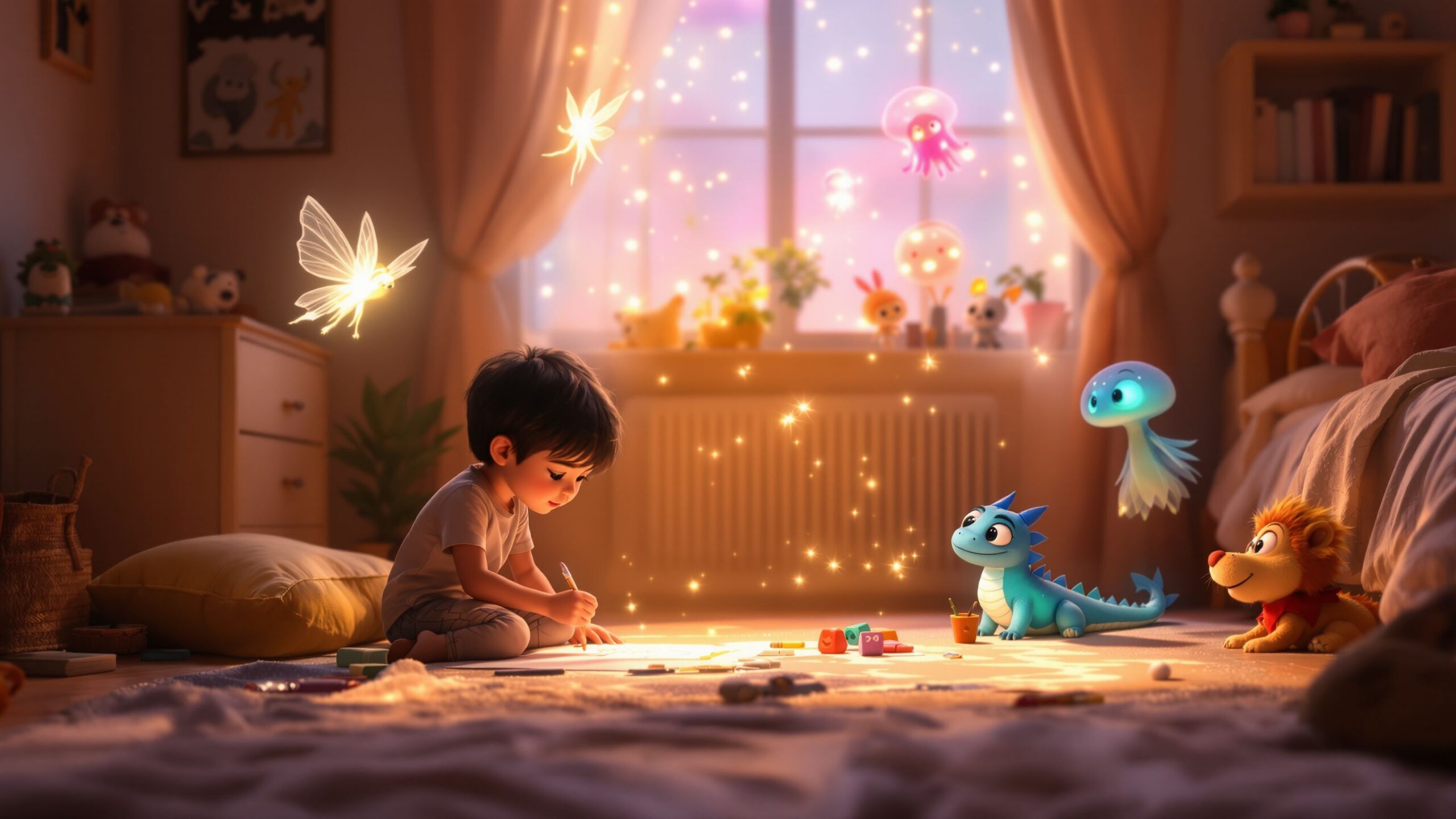
Creating make-believe characters from scratch is one of the most powerful ways to spark creativity in children and unlock imaginative storytelling. Whether a child dreams up a glowing forest guardian, a time-traveling explorer, or a silly creature that speaks in riddles, the process of building a character from nothing encourages confidence, emotional expression, and problem-solving. This guide walks through how to create truly unique imaginary characters step by step, helping kids turn simple ideas into unforgettable personalities and stories.
A: Begin with a name, a place to live, one special trait, and one small adventure.
A: No, but magic can make the character more playful and exciting.
A: A mix of personality, appearance, goals, habits, fears, and funny details.
A: Yes, kids can borrow traits from friends, family, pets, or themselves.
A: Add a mystery, a problem, a secret power, or an unexpected opposite trait.
A: They can, but they can also act, describe, build, or dress up as the character.
A: Yes, teams are great for friendships, adventures, conflicts, and group play.
A: Ask open-ended questions, join the story, offer props, and let kids lead the imagination.
A: Yes, make-believe stories are meant to grow, twist, and change during play.
A: As many as they want, from one favorite hero to a whole world of characters.
Start with a Simple Spark of Inspiration
Every great character begins with a small idea. It doesn’t need to be complicated. A child might start with something familiar, like an animal, a person, or even an object, and then add a magical twist. A cat could become a star-traveling navigator, or a backpack could come to life and guide adventures. The key is to encourage children to ask “What if?” and let their imagination take over.
This starting point should feel fun and easy, not pressured or perfect. The goal is to open the door to creativity, not to create a finished masterpiece right away. Even the simplest spark can grow into something extraordinary when given attention and imagination.
Build a Distinct Appearance
Once the idea is formed, the next step is deciding what the character looks like. Appearance helps bring the character to life and makes it memorable. Kids can think about size, shape, colors, textures, and unique features. Does the character glow in the dark? Does it have wings, horns, or floating parts? Maybe it changes shape depending on its mood.
Encouraging children to mix unexpected elements often leads to the most creative results. A character might have fur made of clouds or eyes that look like tiny galaxies. These details make each creation feel original and exciting, helping kids take ownership of their ideas.
Give Your Character a Personality
A character becomes truly special when it has a personality. This is where children begin to explore emotions and behaviors. Is the character brave, shy, curious, or playful? Does it love helping others or getting into trouble? These traits shape how the character acts in different situations.
Children can also think about what their character likes and dislikes. Maybe it loves collecting shiny objects or hates loud noises. These small details make the character feel real and relatable, even in a completely imaginary world.
Create Magical Abilities or Unique Skills
Special abilities add excitement and depth to a make-believe character. These powers don’t have to be typical superhero abilities. They can be as creative and unusual as the child wants. A character might be able to paint the sky with colors, talk to plants, or turn invisible when it laughs.
Encouraging kids to think about how their character uses these abilities is just as important as the powers themselves. Do they use them to help others, explore new places, or solve problems? This helps children understand purpose and responsibility while expanding their imagination.
Design a Home or World
Every character needs a place to belong. Creating a home or environment adds another layer of storytelling. Kids can imagine where their character lives and what that place looks like. It might be a floating island, an underwater city, a hidden cave, or a magical forest.
The environment can also influence the character’s personality and abilities. A creature that lives in the sky might be light and fast, while one that lives underground might be strong and protective. Building this world helps children think more deeply about their creations and how everything connects.
Add a Backstory
A backstory explains where the character came from and why they are the way they are. This doesn’t need to be long or complicated. It can be as simple as a few ideas about the character’s past. Maybe they discovered their powers by accident, or they are on a mission to find something important.
Backstories help children understand cause and effect. They begin to see how experiences shape personality and behavior. This adds emotional depth to their characters and makes storytelling more engaging.
Give Your Character a Goal
Every great character has a goal or purpose. This gives them something to work toward and creates opportunities for stories and adventures. A character might want to protect their home, find a lost treasure, make new friends, or overcome a fear.
Goals help children think about motivation and challenges. They learn that characters, like people, have dreams and obstacles. This makes their creations feel more meaningful and dynamic.
Introduce Challenges and Obstacles
Challenges are what make stories interesting. Encouraging kids to think about what could go wrong for their character helps build problem-solving skills. Maybe their character loses its powers, faces a tricky puzzle, or has to work with someone they don’t trust.
These obstacles don’t have to be scary or serious. They can be playful and imaginative, like trying to catch a runaway cloud or fixing a broken rainbow. The important part is that children think about how their character responds and grows.
Bring the Character to Life Through Play
Once the character is created, it’s time to bring it to life. Kids can act out adventures, draw their characters, or describe them in stories. This step turns imagination into action and helps develop communication and storytelling skills.
Playing with characters also allows children to expand their ideas over time. They might add new traits, abilities, or friends as they continue to explore their imaginative world. Creativity becomes an ongoing process rather than a one-time activity.
Encourage Creativity Without Rules
One of the most important parts of creating make-believe characters is allowing freedom. There are no right or wrong answers in imagination. A character can be as silly, magical, or unusual as a child wants. Encouraging this freedom helps children feel confident in their creativity.
Parents and caregivers can support this by asking open-ended questions and showing interest in the child’s ideas. Instead of correcting or guiding too much, it’s better to celebrate what the child creates and let their imagination lead the way.
Turning Character Creation into a Fun Routine
Making character creation a regular activity can help keep creativity alive. Kids can create a new character each week, build stories around them, or even connect multiple characters into one shared world. This turns imagination into a habit and encourages continuous learning and exploration.
Over time, children may develop their own creative style and preferences. They might enjoy creating heroes, funny characters, or mysterious creatures. Supporting these interests helps them build confidence and a strong sense of identity through their creativity.
Why This Process Matters
Learning how to create unique make-believe characters is more than just play. It helps children develop important life skills, including communication, empathy, and critical thinking. By imagining different personalities and scenarios, kids learn to understand perspectives and solve problems in creative ways.
This process also builds confidence. When children see their ideas come to life, they feel proud of their creativity and more willing to share their thoughts. These experiences shape how they approach challenges and opportunities in the future.
Unlocking Endless Imagination
Creating make-believe characters from scratch is a journey that never truly ends. Each new idea leads to another, building a world full of possibilities. Whether it’s a glowing dragon, a curious explorer, or a silly talking object, every character represents a child’s unique imagination.
By encouraging kids to create, explore, and share their characters, we give them the tools to think creatively and express themselves freely. In a world that often focuses on structure and rules, imagination remains a space where anything is possible—and that is where true creativity begins.