Imagination is one of the most valuable skills a child can develop, and indoor play offers the perfect setting for it to flourish. When children are given the freedom to explore ideas, invent stories, and transform their surroundings, they begin to see the world as a place full of possibilities. Creative indoor play does more than entertain—it strengthens problem-solving, builds confidence, and encourages emotional expression. With the right activities and mindset, any home can become a stage for adventure, discovery, and endless imagination.
A: Fort building, pretend shops, puppet shows, treasure hunts, storytelling games, crafts, and block worlds are great choices.
A: No, boxes, blankets, paper, tape, pillows, baskets, and household items can inspire amazing play.
A: Offer a simple prompt like “build a castle” or “open a rescue center,” then let kids lead.
A: Add a mission, mystery clue, costume piece, timer, silly voice, or new story problem.
A: Yes, obstacle courses, superhero training, dance stories, animal walks, and rescue missions add movement.
A: Use one play zone at a time, keep baskets nearby, and turn cleanup into part of the story.
A: Yes, younger kids can pretend while older kids build, write signs, make rules, or lead missions.
A: It supports storytelling, problem-solving, confidence, language, emotional expression, and creative thinking.
A: Not usually. Ask questions, support ideas, and let kids shape the pretend world.
A: It can be a quick ten-minute activity or grow into an all-afternoon adventure.
Why Imaginative Play Matters
Imaginative play allows children to think beyond what is directly in front of them. It encourages them to create their own rules, solve challenges, and explore different perspectives. When a child pretends that a couch is a mountain or a blanket is a magical portal, they are practicing flexible thinking and creativity.
This type of play also supports emotional development. Children often act out situations they don’t fully understand, using imagination to process feelings and experiences. By stepping into different roles and scenarios, they gain a better understanding of themselves and others. Over time, this helps build empathy, communication skills, and confidence.
Transform Everyday Spaces into Magical Worlds
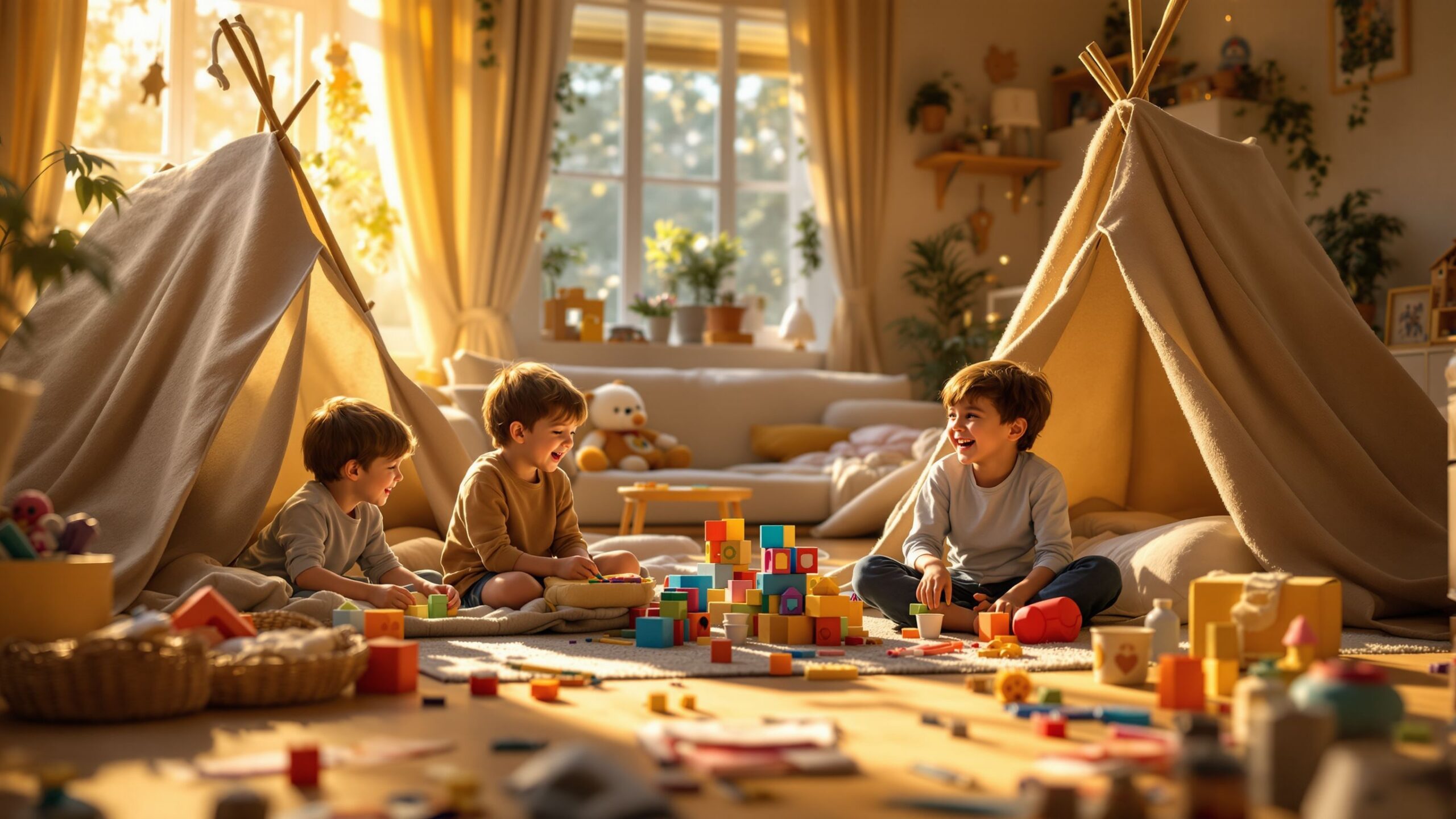
One of the simplest ways to boost imagination is by transforming everyday spaces into something new. A living room can become a pirate ship, a jungle, or a secret laboratory with just a few creative touches. Rearranging furniture, adding blankets, and using household items in unexpected ways can completely change how a space feels.
Children thrive when they are encouraged to see possibilities in ordinary objects. A cardboard box can become a rocket, a castle, or a treasure chest. Pillows can turn into stepping stones across a lava floor. These transformations help children understand that creativity comes from within, not from expensive toys or elaborate setups.
Storytelling Adventures That Come to Life
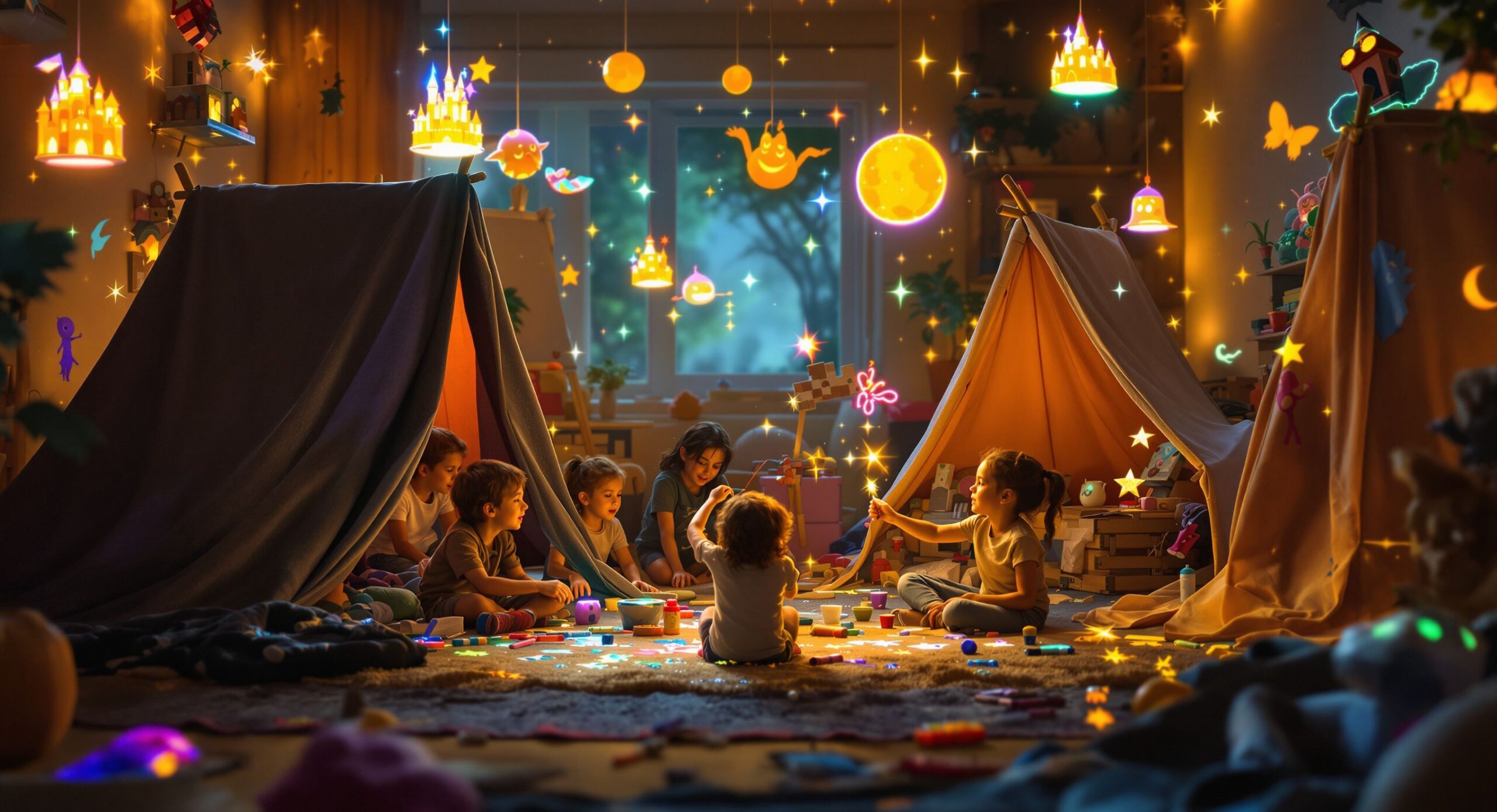
Storytelling is one of the most powerful ways to engage imagination. Children can create their own stories and act them out, turning playtime into a living adventure. They might become explorers searching for hidden treasure, heroes on a mission, or characters in a magical world of their own design.
Encouraging kids to build stories with a beginning, middle, and end helps develop structure and communication skills. They learn how to connect ideas, describe events, and express emotions through their narratives. Acting out these stories adds another layer of engagement, making the experience both creative and active.
Storytelling can also be collaborative. Parents, siblings, or friends can join in, each adding their own ideas to the story. This not only enhances creativity but also teaches teamwork and listening skills.
Creative Building and Design Challenges
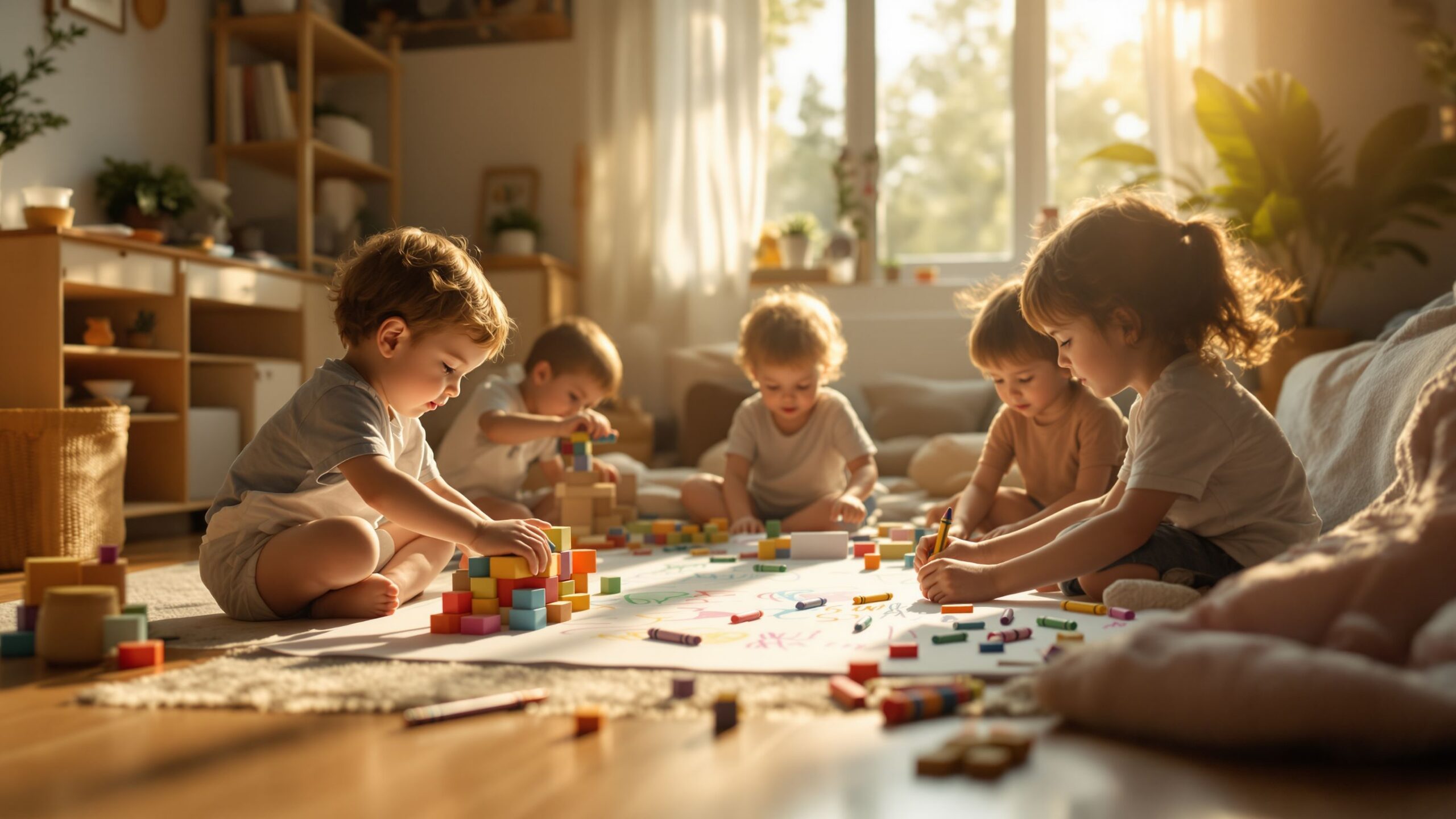
Building activities are a natural way to combine creativity with problem-solving. Children can use blocks, magnetic tiles, or even everyday household items to create structures and designs. These creations can be simple or complex, depending on the child’s interests and abilities.
Design challenges add an extra layer of excitement. Kids might be asked to build the tallest tower, create a bridge that can hold weight, or design a house for an imaginary creature. These challenges encourage critical thinking while still allowing for creative expression.
Building also helps children understand concepts like balance, structure, and spatial awareness. As they experiment and adjust their designs, they learn through hands-on experience, making the process both educational and fun.
Art and Craft Exploration
Art is a powerful outlet for imagination, allowing children to turn ideas into something they can see and share. Drawing, painting, and crafting give kids the freedom to explore colors, shapes, and textures while expressing their thoughts and feelings.
Creative art projects can be open-ended or themed. A child might draw a new world filled with imaginary creatures or create a collage that tells a story. Crafting with recycled materials adds another dimension, encouraging kids to think creatively about how to use what they already have.
Art also supports fine motor skills and focus. As children work on their creations, they develop patience and attention to detail. Sharing their artwork with others builds confidence and reinforces their sense of accomplishment.
Pretend Play and Role-Playing Games
Pretend play is one of the most effective ways to boost imagination. By stepping into different roles, children explore new perspectives and experiences. They might pretend to be doctors, chefs, teachers, or adventurers, each role offering a unique opportunity for creativity.
Role-playing games can be enhanced with simple props or costumes. A towel can become a superhero cape, while a box can serve as a control panel for a spaceship. These additions help bring the experience to life without requiring anything elaborate.
Through pretend play, children learn to navigate social interactions, solve problems, and express emotions. It becomes a safe space where they can experiment with ideas and build confidence in their abilities.
Active Imagination Through Movement
Imagination doesn’t have to be still. Movement-based activities can be just as creative and engaging. Children can invent games that involve jumping, balancing, or navigating obstacles, turning physical activity into an imaginative adventure.
An indoor obstacle course can become a jungle expedition or a mission through outer space. Dance sessions can turn into performances where children create their own routines and characters. These activities combine physical development with creative thinking, making them both fun and beneficial.
Movement also helps release energy, which is especially important during long periods indoors. By incorporating imagination into active play, children stay engaged while developing coordination and confidence.
Quiet Creativity and Independent Play
While active play is important, quiet activities offer a chance for reflection and focus. Independent play allows children to explore their ideas at their own pace, building concentration and self-reliance.
Activities like puzzles, drawing, or building small projects provide opportunities for creative thinking without distractions. Children can immerse themselves in their ideas, developing patience and problem-solving skills.
Creating a calm and inviting space for quiet play can enhance the experience. Soft lighting, comfortable seating, and a selection of engaging materials encourage children to spend time exploring their creativity in a relaxed environment.
Encouraging Imagination Every Day
Supporting imaginative play doesn’t require complicated plans or expensive resources. The most important factor is creating an environment where children feel free to explore and express their ideas. Encouragement, curiosity, and openness go a long way in nurturing creativity.
Asking questions like “What happens next?” or “How does your story end?” can spark deeper thinking without taking control of the play. Listening to children’s ideas and showing interest in their creations reinforces their confidence and encourages them to keep exploring.
Consistency also helps. Making time for creative play each day allows imagination to become a natural part of a child’s routine. Over time, this builds a strong foundation for creativity and learning.
The Lasting Power of Imaginative Play
Creative indoor play is more than just entertainment. It is a foundation for lifelong skills, including problem-solving, communication, and emotional intelligence. Through imaginative activities, children learn to think creatively, adapt to challenges, and express themselves in meaningful ways.
These experiences shape how children approach the world. They learn to see possibilities, embrace creativity, and find joy in exploration. The skills they develop through play carry into every aspect of their lives, from school to relationships and beyond.
Turning Indoor Play into Magical Moments
Indoor play has the potential to transform ordinary days into extraordinary adventures. With a little creativity and encouragement, children can turn any space into a world of imagination. Whether they are building, storytelling, or pretending, every activity becomes an opportunity to learn and grow.
By embracing creative indoor play, parents and caregivers can create an environment where imagination thrives. These moments of exploration and discovery not only bring joy but also help children develop the skills they need to navigate the world with confidence and creativity.