Indoor play is more than just a way to pass time when the weather keeps children inside. It is an opportunity to spark imagination, build important skills, and create meaningful moments of joy and connection. Whether it’s a rainy afternoon, a snowy day, or simply a quiet weekend at home, indoor play can become a world of adventure where creativity leads the way. This ultimate guide explores exciting, engaging, and development-focused indoor play ideas that help children stay active, curious, and inspired right at home.
A: Forts, obstacle courses, crafts, pretend play, treasure hunts, sensory bins, building games, and puppet shows are great options.
A: No, many of the best ideas use boxes, pillows, blankets, paper, tape, baskets, and household items.
A: Try dance games, pillow paths, balance challenges, animal walks, hallway bowling, or safe obstacle courses.
A: Reading caves, puzzles, drawing, sticker scenes, sorting games, pretend shops, and storytelling work well.
A: Set up simple materials, offer one clear prompt, and let kids lead the activity.
A: Add a mission, timer, role, mystery clue, costume piece, or new setting to refresh the game.
A: Yes, choose flexible games where younger kids can pretend and older kids can build, lead, or create rules.
A: Use one zone at a time, keep baskets nearby, and turn cleanup into a short mission.
A: Yes, crafts, building, movement games, pretend play, reading, puzzles, and sensory play can keep kids engaged.
A: It can last a few minutes or a whole afternoon, depending on the child’s age, energy, and interest.
Why Indoor Play Matters for Kids
Children thrive on exploration, movement, and imagination, and indoor play can provide all of these when designed thoughtfully. It supports cognitive development by encouraging problem-solving and critical thinking. When kids engage in creative activities, they learn how to make decisions, experiment with ideas, and adapt to new challenges.
Indoor play also plays a vital role in emotional growth. It allows children to express themselves freely, whether through storytelling, art, or pretend play. These moments give them a safe space to explore feelings, build confidence, and develop a sense of independence. Social skills can also grow through indoor play, especially when siblings or friends join in collaborative activities.
Transforming Your Space into a Play Zone
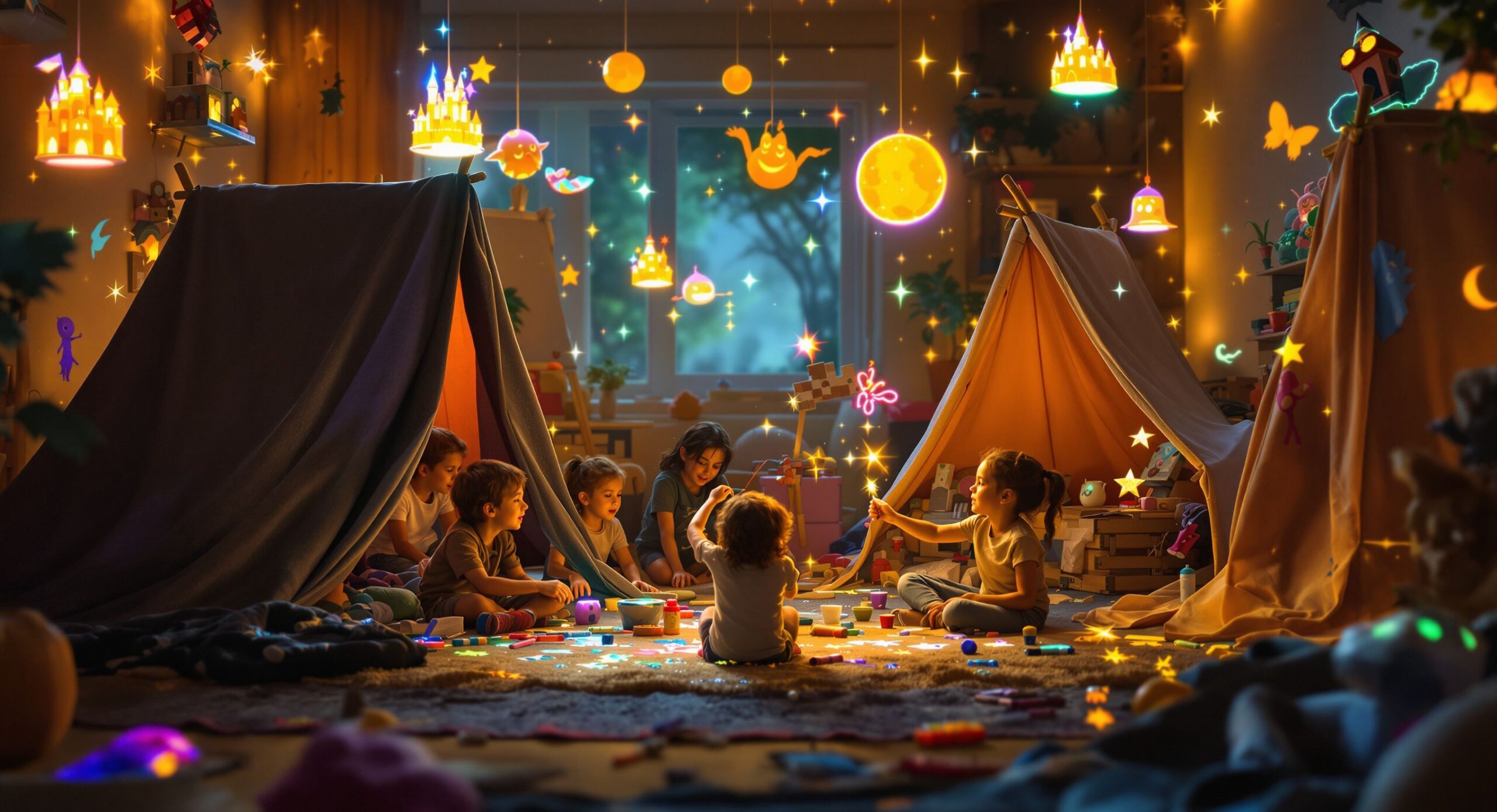
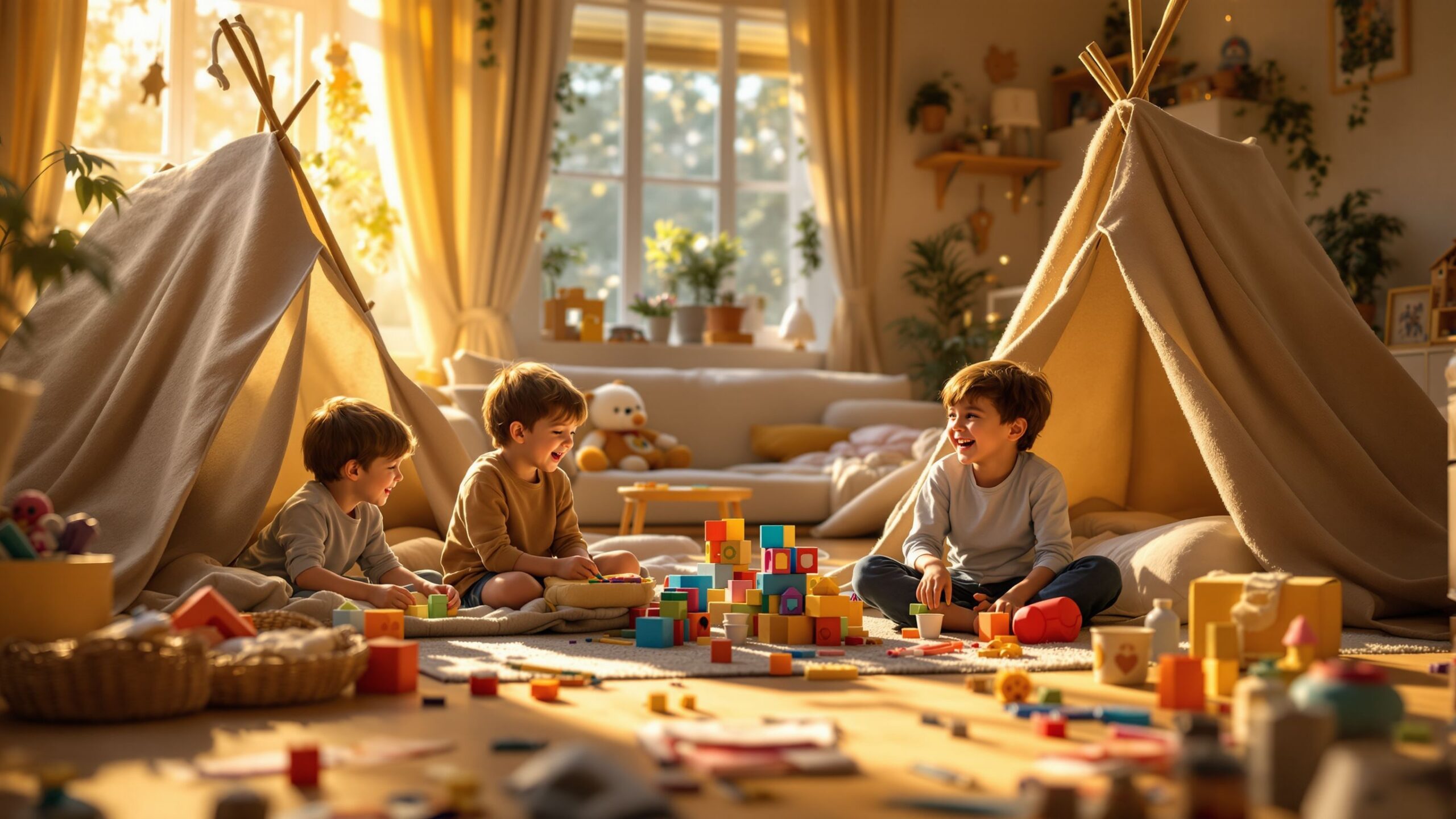
One of the most exciting aspects of indoor play is the ability to transform everyday spaces into imaginative worlds. A living room can become a castle, a jungle, or even a spaceship with just a few simple changes. Rearranging furniture, adding blankets, and using household items creatively can turn an ordinary room into an extraordinary environment.
Creating a dedicated play area, even if it’s temporary, helps children feel like they have their own space to explore and create. This doesn’t require expensive materials. Pillows, cardboard boxes, and basic craft supplies can become the building blocks of imaginative play. The key is to encourage children to see possibilities in what they already have.
Creative Arts and Craft Adventures
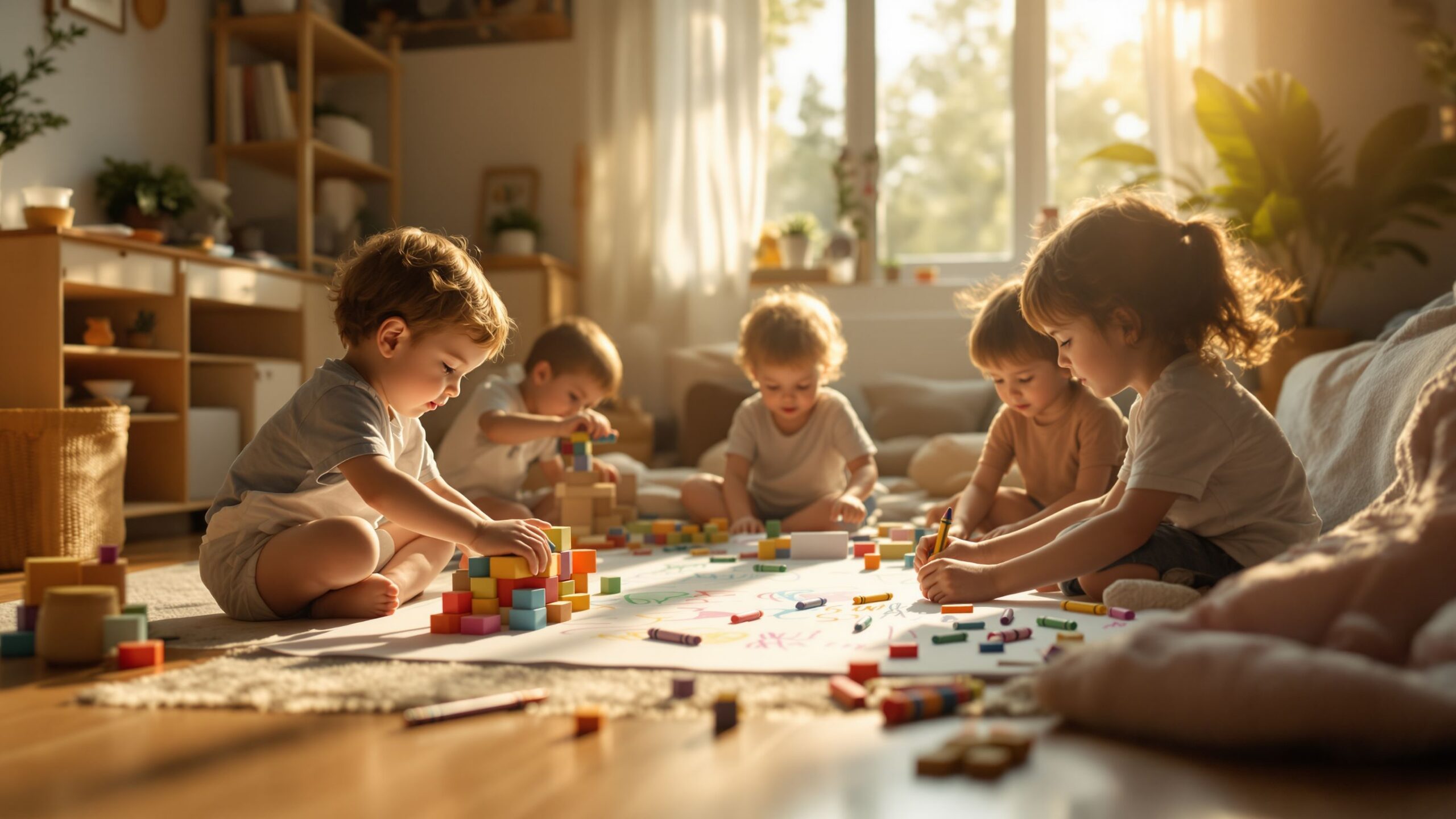
Art is one of the most powerful ways for children to express their creativity. Indoor play becomes instantly engaging when kids have access to materials that allow them to create freely. Drawing, painting, cutting, and building with simple supplies can turn hours into moments of discovery and excitement.
Children can design their own characters, create story scenes, or build miniature worlds out of paper and recycled materials. These activities not only boost creativity but also improve fine motor skills and focus. Encouraging kids to explain their creations adds a storytelling element that strengthens communication skills.
Craft projects can also be themed to keep things fresh and exciting. A day of creating imaginary creatures might be followed by building a cardboard city or designing costumes for pretend play. These variations keep children engaged while continuously challenging their imagination.
Imaginative and Pretend Play
Pretend play is at the heart of indoor fun. It allows children to step into different roles and explore new perspectives. They might become chefs running a busy kitchen, explorers discovering hidden lands, or superheroes saving the day. These imaginative scenarios help children understand the world around them while developing creativity and confidence.
Setting up simple props can enhance pretend play. A few kitchen items can create a restaurant, while a blanket and chairs can become a secret hideout. Encouraging children to invent their own stories and characters makes the experience even more meaningful.
Pretend play also supports emotional development. By acting out different situations, children learn how to handle emotions, solve problems, and interact with others. It becomes a playful way to practice real-life skills in a safe and supportive environment.
Building and Construction Play
Building activities are perfect for indoor play because they combine creativity with problem-solving. Whether using blocks, magnetic tiles, or household items like cups and boxes, children can create structures that reflect their imagination.
Construction play encourages kids to think about balance, design, and spatial awareness. They learn through trial and error, discovering what works and what doesn’t. This process builds resilience and critical thinking skills.
Children might build towers, bridges, or entire cities, then incorporate them into their imaginative stories. A simple structure can become the setting for an adventure, blending creativity with engineering in a way that feels natural and fun.
Active Indoor Games That Keep Kids Moving
Indoor play doesn’t have to be quiet or still. Active games can help children burn energy while having fun. Movement-based activities are essential for physical development and overall well-being.
Simple games like obstacle courses, dance sessions, or follow-the-leader can keep kids engaged and active. Using cushions, furniture, and safe household items, parents can create exciting challenges that encourage movement and coordination.
Music can add another layer of excitement to active play. Dancing, jumping, and moving to rhythms helps children develop coordination and confidence while expressing themselves physically. These activities are especially helpful for maintaining energy levels during long periods indoors.
Quiet Play for Focus and Relaxation
While active play is important, quiet play offers a balance that helps children relax and focus. Activities like puzzles, reading, or drawing allow kids to slow down and engage their minds in a different way.
Quiet play can also be a time for independent exploration. Children can immerse themselves in books, create detailed drawings, or work on small projects that require patience and concentration. These moments help develop attention span and problem-solving skills.
Creating a calm and cozy environment for quiet play can make it even more enjoyable. Soft lighting, comfortable seating, and a selection of engaging materials encourage children to take time for themselves while still being creative.
Storytelling and Creative Thinking Games
Storytelling is a powerful indoor activity that combines imagination, language, and creativity. Children can create their own stories, act them out, or even build them collaboratively with others. This type of play encourages communication and helps kids organize their thoughts.
Games that involve storytelling can be simple and flexible. A child might start a story and pass it along to someone else, building a shared adventure. Alternatively, they can create stories based on drawings, toys, or objects around them.
These activities strengthen language skills and encourage children to think creatively. They learn how to develop ideas, connect events, and express themselves in meaningful ways.
Making Indoor Play a Daily Routine
Incorporating indoor play into a daily routine helps children develop consistency and balance. Having a mix of active, creative, and quiet activities ensures that different areas of development are supported.
Rotating activities can keep things fresh and exciting. One day might focus on building and construction, while another emphasizes art or pretend play. This variety prevents boredom and encourages children to explore new interests.
Parents and caregivers can also join in the fun, creating shared experiences that strengthen relationships. Playing together allows for meaningful interaction and helps children feel supported in their creativity.
Encouraging Independence Through Play
Indoor play is an excellent opportunity for children to develop independence. Giving them the freedom to choose activities, create their own games, and solve problems on their own builds confidence and self-reliance.
While guidance is important, it’s equally valuable to step back and let children lead their play. This allows them to explore their ideas without limitations and develop a sense of ownership over their creativity.
Providing a variety of materials and opportunities encourages kids to experiment and discover what they enjoy most. Over time, they become more confident in their abilities and more willing to take on new challenges.
The Lasting Impact of Indoor Play
Indoor play is not just a temporary solution for keeping kids entertained. It has a lasting impact on their development, shaping how they think, create, and interact with the world. Through play, children build skills that extend far beyond childhood, including creativity, resilience, and emotional intelligence.
These experiences also create lasting memories. The forts built from blankets, the stories invented on the spot, and the laughter shared during games all contribute to a sense of joy and connection. These moments become part of a child’s foundation, influencing their outlook and creativity for years to come.
Turning Everyday Moments into Adventures
Indoor play has the power to transform ordinary moments into extraordinary experiences. With a little creativity and encouragement, any space can become a place of adventure and discovery. Children don’t need elaborate setups or expensive toys to have fun. What they need most is the freedom to imagine and the support to explore their ideas.
By embracing indoor play as an opportunity rather than a limitation, parents and caregivers can create an environment where creativity thrives. Every activity becomes a chance to learn, grow, and connect, turning time spent indoors into something truly special.