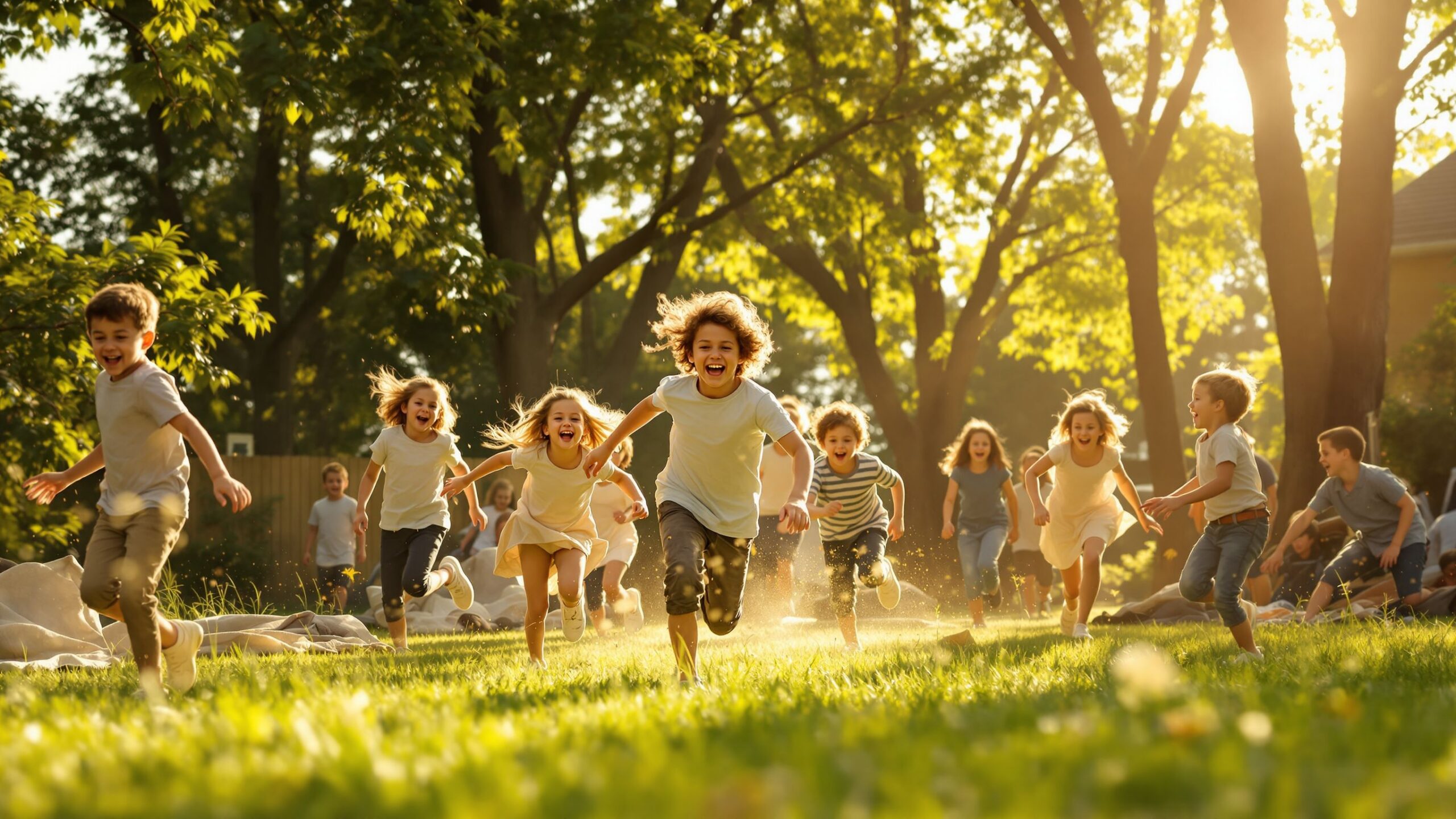
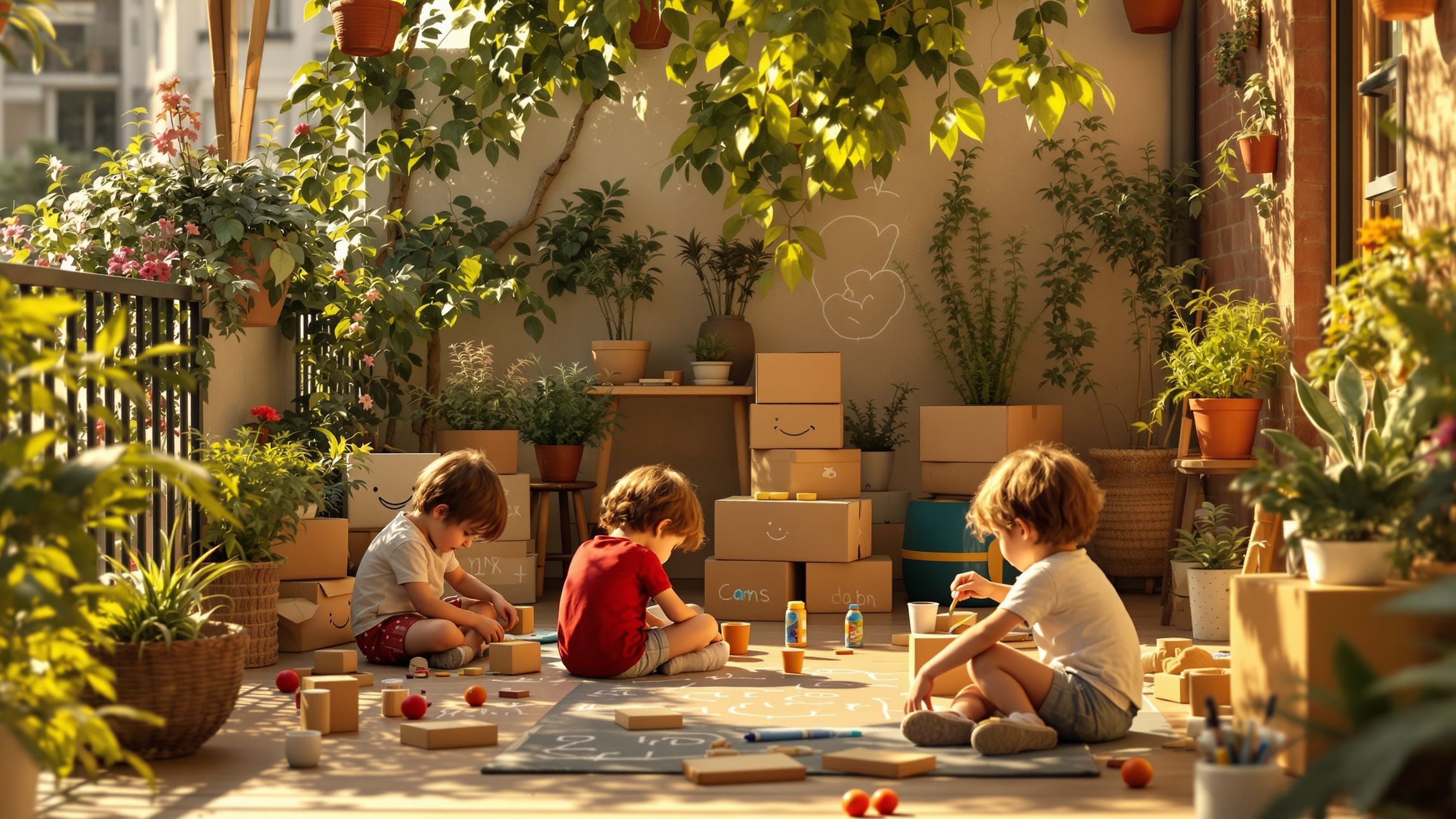
Outdoor play doesn’t require a big backyard or wide-open fields to be magical. Even the smallest spaces—balconies, patios, tiny yards, or shared outdoor areas—can become vibrant playgrounds filled with imagination, movement, and discovery. With a little creativity and intention, small outdoor spaces can offer just as much excitement and developmental value as larger ones. This guide explores how to turn limited outdoor areas into dynamic play environments that inspire kids to explore, create, and have fun.
A: Yes, creative activities can turn even tiny areas into fun play zones.
A: Chalk games, obstacle paths, pretend play, target games, and small building activities work well.
A: Use a few items at a time and keep storage simple and organized.
A: Yes, with movement games like jumping, balancing, and quick challenges.
A: Rotate activities and add new themes or story ideas.
A: Not at all, they often encourage more imaginative and focused play.
A: Provide simple materials, suggest ideas, and let kids lead the play.
A: All ages can enjoy it with activities adjusted to their abilities.
A: Even short sessions can be meaningful and fun.
A: Creativity, flexibility, and keeping play simple and engaging.
Why Small Spaces Can Still Inspire Big Imagination
Children don’t measure fun by square footage. What matters most is the opportunity to explore, move, and imagine. Small outdoor spaces can actually encourage more focused and creative play because children learn to make the most of what they have. Instead of relying on large equipment or expansive areas, they use imagination and problem-solving to transform their surroundings.
A simple corner can become a stage for storytelling, a science zone for discovery, or a mini adventure land. These experiences help children develop creativity, adaptability, and confidence, proving that even the smallest spaces can hold endless possibilities.
Transforming Small Areas into Play Zones
The first step in maximizing a small outdoor space is to think of it as a flexible play zone rather than a fixed area. Rearranging items, adding temporary elements, and using vertical space can completely change how the space feels.
A balcony can become a creative studio with art supplies, while a small yard can transform into an obstacle course or a pretend jungle. Using lightweight and movable items like cushions, crates, or small tables allows children to redesign their space as they play. This sense of control adds excitement and encourages creativity.
Even simple additions like string lights, colorful mats, or a small rug can make the space feel inviting and special. When children feel comfortable and inspired, they are more likely to engage in outdoor play.
Imaginative Play in Tight Spaces
Imagination is the key to making small spaces feel expansive. Children can turn a few feet of space into an entire world through pretend play. A small patio might become a pirate ship sailing across the ocean, while a balcony could transform into a space station orbiting Earth.
Props don’t need to be elaborate. A cardboard box can become a control panel, a treasure chest, or a secret hideout. A few simple items can spark hours of storytelling and role-playing. Encouraging kids to invent their own scenarios helps them see beyond physical limitations and explore limitless ideas.
Pretend play also supports emotional and social development. By acting out different roles and stories, children learn to express themselves and understand others in a playful, engaging way.
Active Games for Limited Space
Physical activity is just as important in small spaces as it is in larger ones. The key is to choose activities that fit the available area while still allowing movement and energy release. Simple games like jumping challenges, balance exercises, or mini obstacle courses can keep kids active without needing much room.
Creative movement games can add an imaginative twist. Children might pretend they are crossing a river of lava using stepping stones or navigating a jungle path filled with obstacles. These activities combine physical movement with storytelling, making them more engaging and fun.
Short bursts of activity work especially well in small spaces. Quick games that involve running, hopping, or dancing help children stay energized while making the most of limited room.
Creative Arts and Outdoor Crafting
Outdoor spaces, no matter how small, are perfect for creative expression. Art activities feel different when taken outside, adding a sense of freedom and inspiration. Kids can draw with chalk, paint on paper, or create crafts using natural materials like leaves and sticks.
Setting up a small art station outdoors encourages children to explore creativity in a new environment. The change of scenery can spark fresh ideas and make familiar activities feel exciting again. Even simple projects like decorating rocks or creating collages can become meaningful creative experiences.
Outdoor crafting also allows for a bit more freedom with mess, making it easier for children to experiment without worrying about keeping things perfectly clean. This encourages exploration and creativity.
Building and Designing in Small Spaces
Construction play doesn’t require a large area. Children can build vertically, stacking blocks, creating towers, or designing small structures that fit within their space. Using materials like boxes, cups, or building toys, they can create imaginative designs that reflect their ideas.
Building challenges can add excitement and purpose. Kids might try to create the tallest tower that won’t fall, design a house for an imaginary creature, or build a bridge that connects two points. These activities encourage problem-solving and critical thinking while keeping play engaging.
Even small builds can become part of larger stories. A tiny structure might represent a castle, a shop, or a secret base, blending construction with imaginative play.
Sensory Play in Compact Outdoor Areas
Sensory play is especially beneficial for younger children and can be easily adapted to small outdoor spaces. Simple setups like water play, sand bins, or textured materials provide opportunities for exploration and discovery.
A small container filled with water can become a mini ocean for toy boats, while a bin of sand can turn into a construction site or treasure hunt. These activities engage multiple senses, helping children learn through touch, sight, and movement.
Sensory play also has a calming effect, making it a great option for balancing more active games. It allows children to focus, explore, and relax while still being engaged in meaningful play.
Making the Most of Shared or Community Spaces
For families without private outdoor areas, nearby community spaces can offer additional opportunities for play. Sidewalks, small parks, or shared courtyards can become extensions of the home environment.
Taking portable activities like balls, chalk, or simple games to these spaces allows children to enjoy outdoor play while exploring their surroundings. Even short visits can provide fresh air, movement, and a change of scenery that keeps playtime exciting.
Using these spaces creatively helps children see that adventure can happen anywhere, not just in large or dedicated play areas.
Encouraging Consistent Outdoor Play
Consistency is key when it comes to outdoor play, especially in small spaces. Making outdoor time a regular part of the day helps children build habits and look forward to their time outside.
Even short periods of play can make a big difference. A few minutes of fresh air and movement can boost mood and energy levels. Over time, these moments add up, creating a routine that supports both physical and emotional well-being.
Parents and caregivers can encourage consistency by making outdoor play feel special and enjoyable. Simple rituals, like starting the day with a quick game or ending it with a creative activity outside, help reinforce the habit.
Turning Small Spaces into Big Adventures
Creative outdoor play in small spaces is all about perspective. With imagination, even the tiniest area can become a place of adventure, discovery, and joy. Children don’t need large environments to have meaningful play experiences—they need opportunities to explore, create, and express themselves.
By embracing flexibility, encouraging creativity, and making the most of available space, parents and caregivers can transform small outdoor areas into vibrant play environments. These moments of play not only entertain but also support development, build confidence, and create lasting memories.
Small spaces may have physical limits, but a child’s imagination has none. When those two come together, even the smallest outdoor area can feel like the biggest playground in the world.