Outdoor play is one of the most natural and effective ways for children to develop strong social skills. When kids step outside, they enter a world filled with opportunities to interact, collaborate, and connect with others in ways that feel fun and unstructured. Whether they are playing games, building something together, or simply exploring their surroundings, these shared experiences help shape how they communicate, solve problems, and build relationships. Understanding how outdoor play supports social development can help parents and caregivers encourage more meaningful interactions and growth.
A: It gives kids real opportunities to interact, communicate, and cooperate with others.
A: Sharing, teamwork, communication, problem-solving, and conflict resolution.
A: Both help, but outdoor play often offers more space and freedom for group interaction.
A: Start with small group play and allow them to join at their own pace.
A: No, unstructured play is often the most effective for natural social development.
A: Provide opportunities, model behavior, and guide gently without controlling play.
A: It can help kids learn to manage and resolve conflicts more effectively.
A: Regular opportunities, even a few times a week, can make a difference.
A: Small disagreements are normal and help build conflict resolution skills.
A: Outdoor play helps kids build confidence and meaningful connections with others.
Why Social Skills Develop Best Through Play
Children learn best through experience, and play provides the perfect environment for that learning to happen. Unlike structured lessons, play allows kids to practice social skills in real-time situations where they can experiment, make mistakes, and try again. Outdoor environments add an extra layer of freedom, giving children space to move, explore, and interact without the constraints of indoor settings.
Through play, children begin to understand concepts like taking turns, sharing, and cooperating. They learn how their actions affect others and how to respond to different social situations. These experiences build the foundation for communication, empathy, and teamwork, all of which are essential for healthy relationships.
Building Communication Skills Naturally
Outdoor play encourages children to talk, listen, and express themselves. Whether they are explaining the rules of a game, asking for help, or sharing ideas, they are constantly practicing communication. These interactions help children learn how to use language effectively and understand others’ perspectives.
In outdoor settings, communication often becomes more dynamic. Kids might call out to each other during games, negotiate roles in pretend play, or work together to solve a challenge. These moments help them develop confidence in speaking and improve their ability to understand verbal and nonverbal cues.
As children engage in these interactions, they become more comfortable expressing their thoughts and emotions. This confidence carries over into other areas of their lives, including school and friendships.
Learning Cooperation and Teamwork
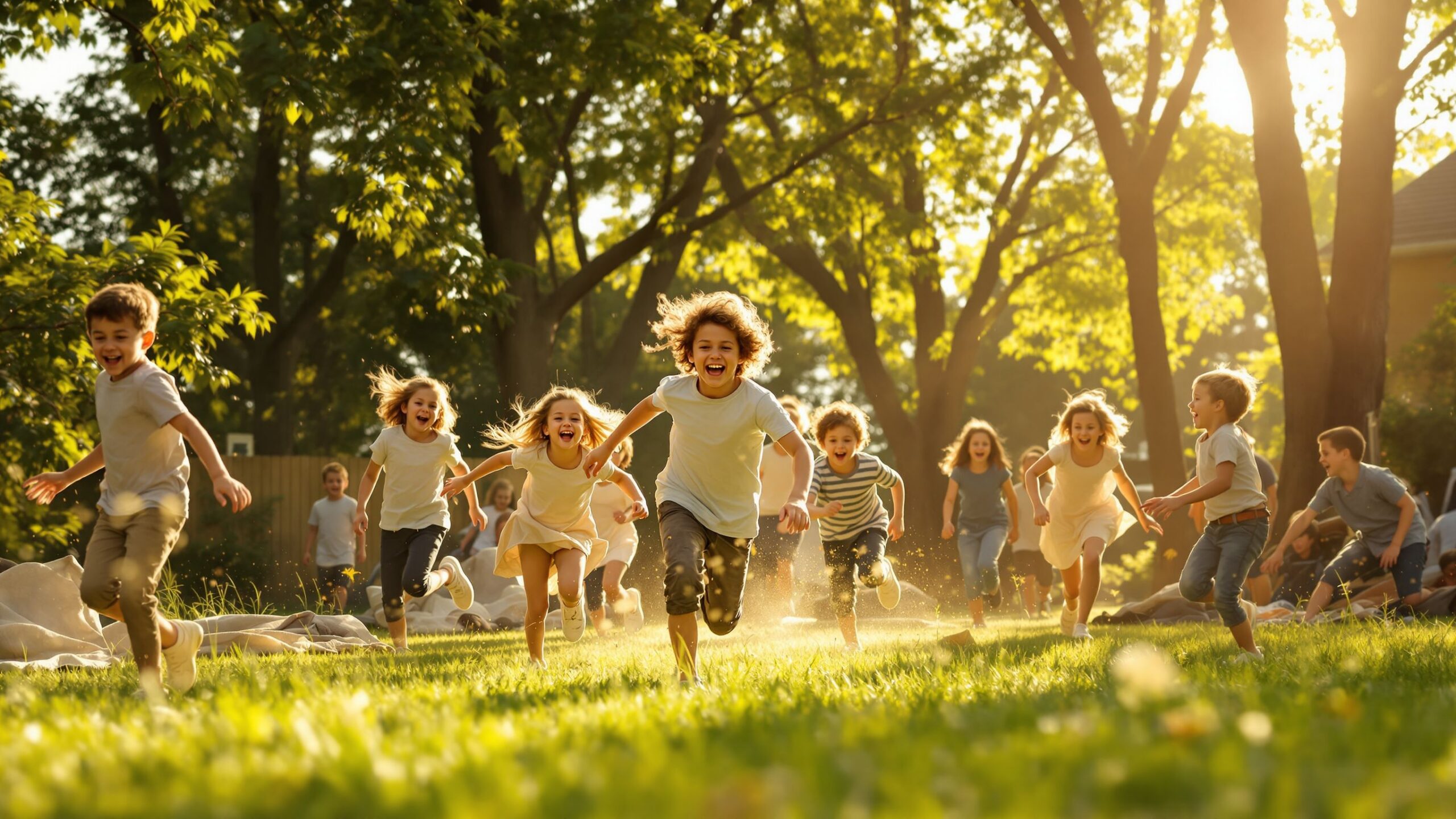
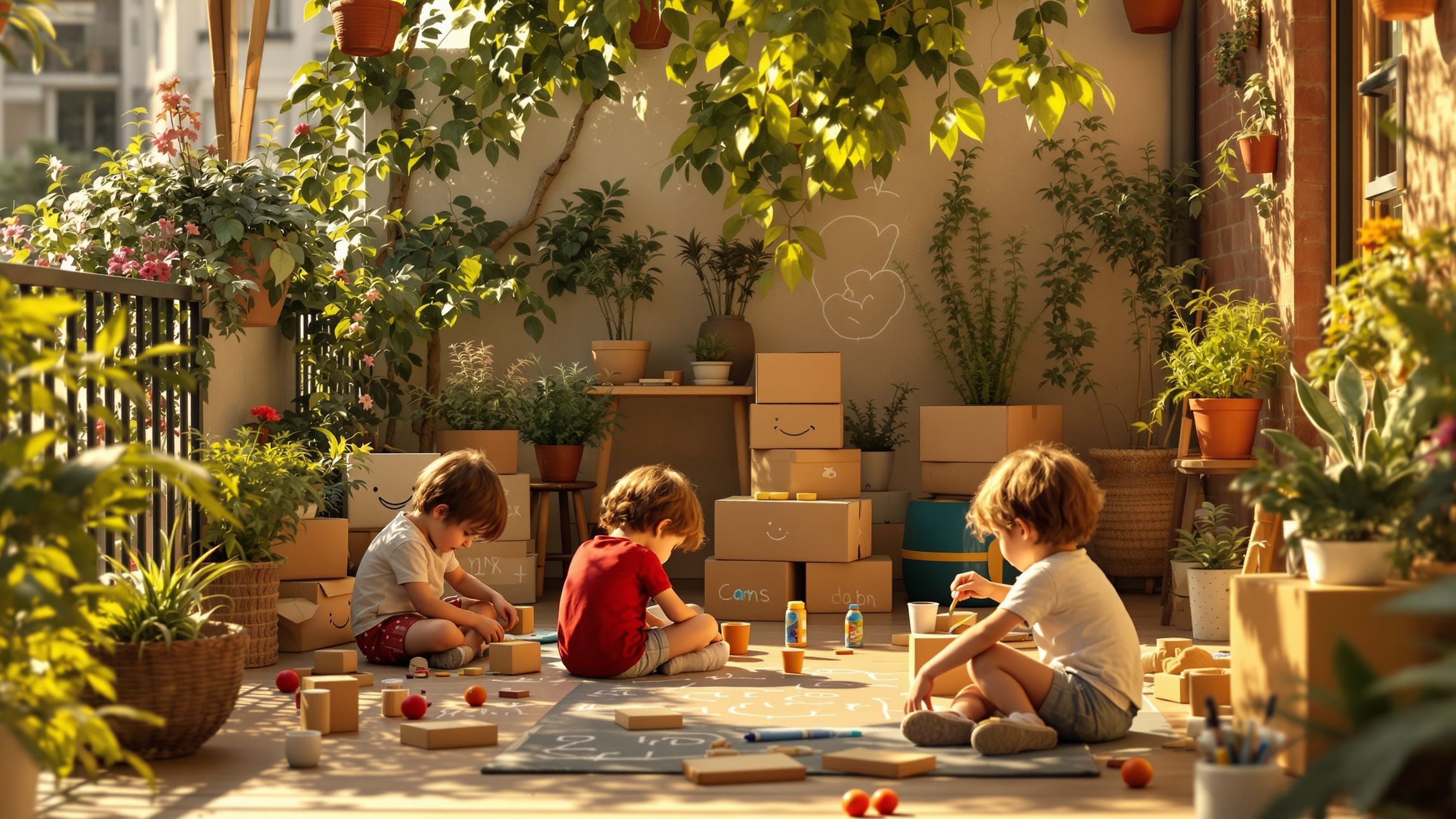
Outdoor play often involves group activities that require cooperation. Whether children are building a fort, playing a game, or exploring together, they must work as a team to achieve a common goal. These experiences teach them how to collaborate, share responsibilities, and support one another.
Teamwork also helps children understand the importance of compromise. They learn that everyone has different ideas and that finding a solution that works for the group is part of the process. These lessons are valuable not only in play but also in real-life situations where cooperation is essential.
Through repeated experiences, children develop a sense of belonging and learn how to contribute positively to a group. This strengthens their ability to form and maintain relationships.
Developing Empathy and Emotional Awareness
Outdoor play provides opportunities for children to understand and respond to the emotions of others. When kids play together, they experience a range of feelings, including excitement, frustration, joy, and disappointment. Navigating these emotions helps them develop empathy and emotional awareness.
For example, if a child sees a friend upset during a game, they may learn to offer comfort or adjust their behavior. These small moments teach children how to recognize emotions and respond in a caring way. Over time, this builds stronger, more compassionate relationships.
Pretend play also plays a role in developing empathy. By taking on different roles and perspectives, children learn to see the world through someone else’s eyes. This helps them understand different viewpoints and build deeper connections with others.
Improving Conflict Resolution Skills
Conflicts are a natural part of social interaction, and outdoor play provides a safe space for children to learn how to handle them. Disagreements about rules, turns, or ideas can arise, but these situations offer valuable learning opportunities.
Children learn to express their feelings, listen to others, and find solutions that work for everyone. They begin to understand the importance of fairness and respect, as well as how to manage frustration and compromise.
With guidance and practice, kids develop the ability to resolve conflicts independently. These skills are essential for building healthy relationships and navigating social situations throughout life.
Encouraging Leadership and Independence
Outdoor play allows children to take on leadership roles and make decisions. They might organize a game, assign roles, or come up with new ideas for play. These experiences help build confidence and a sense of responsibility.
Leadership in play doesn’t always mean being in charge. It can also involve supporting others, sharing ideas, and helping the group succeed. These experiences teach children that leadership comes in many forms and that everyone has something valuable to contribute.
At the same time, outdoor play encourages independence. Children learn to make choices, take risks, and explore their environment. This combination of leadership and independence helps them develop a strong sense of self.
Strengthening Friendships Through Shared Experiences
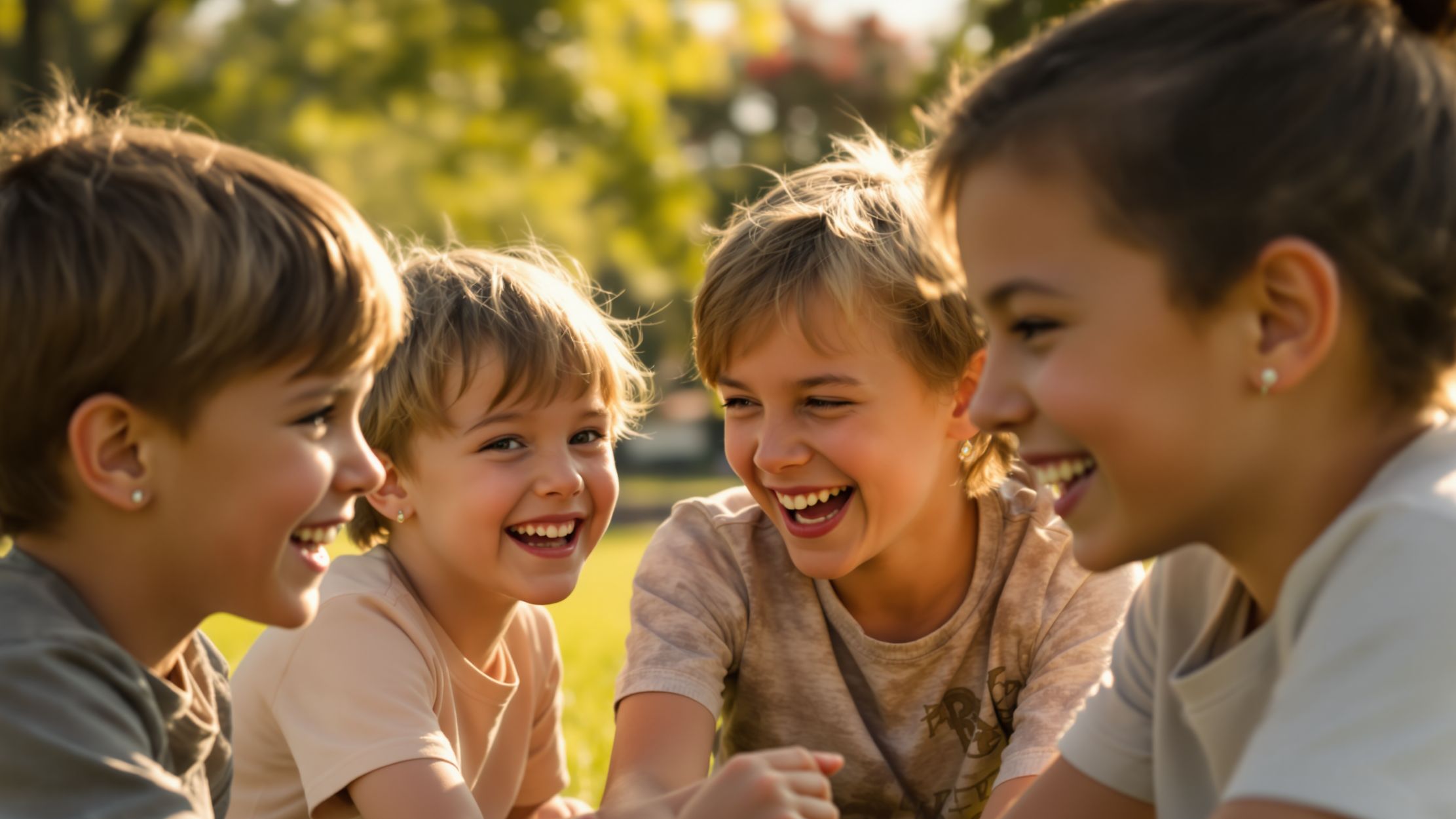
Shared experiences are the foundation of strong friendships, and outdoor play provides countless opportunities for children to connect. Whether they are laughing together during a game or working as a team to build something, these moments create bonds that strengthen relationships.
Outdoor play often involves spontaneous and unstructured interactions, which can lead to deeper connections. Children learn to trust one another, support each other, and enjoy each other’s company. These positive experiences contribute to a sense of belonging and social confidence.
As friendships grow, children become more comfortable navigating social situations and building new relationships. This helps them develop a strong social network that supports their overall well-being.
Supporting Social Development as a Parent
Parents and caregivers play an important role in supporting social development through outdoor play. Providing opportunities for children to interact with others is key. This might include arranging playdates, visiting parks, or encouraging group activities.
It’s also important to observe and guide when needed. Offering gentle support during conflicts or helping children express their feelings can reinforce positive social behaviors. At the same time, allowing children to solve problems on their own helps them build independence and confidence.
Encouraging outdoor play as a regular part of daily life ensures that children have consistent opportunities to practice and develop their social skills.
The Long-Term Benefits of Outdoor Social Play
The social skills children develop through outdoor play have lasting benefits. Communication, empathy, teamwork, and conflict resolution are essential skills that extend into school, friendships, and future relationships. These abilities help children navigate the world with confidence and build meaningful connections with others.
Outdoor play also supports overall well-being, contributing to a positive sense of self and emotional resilience. Children who engage in regular social play are often better equipped to handle challenges and adapt to new situations.
Creating Opportunities for Connection and Growth
Outdoor play is more than just a fun activity—it is a powerful tool for social development. By encouraging children to play outside and interact with others, parents and caregivers can help them build the skills they need to form strong, healthy relationships.
Every moment spent playing, exploring, and connecting with others contributes to a child’s growth. These experiences shape how they communicate, understand emotions, and navigate social situations. By embracing the value of outdoor play, we can create opportunities for children to thrive both socially and emotionally.