In a world filled with screens, schedules, and indoor comforts, encouraging kids to step outside and play can feel like a challenge. Yet outdoor play remains one of the most valuable experiences for children, offering opportunities for movement, exploration, creativity, and emotional growth. The key isn’t forcing kids outside—it’s helping them want to be there. By making outdoor time exciting, meaningful, and part of everyday life, parents and caregivers can turn fresh air into an irresistible adventure.
A: Start with short, fun, low-pressure outdoor sessions and offer choices they actually enjoy.
A: Add a mission, treasure hunt, chalk game, nature challenge, friend, or favorite toy.
A: Any amount helps; begin with small daily moments and build from there.
A: Walks, parks, sidewalks, porches, driveways, courtyards, and small green spaces can all work.
A: Offer an appealing outdoor choice first, use a predictable routine, and avoid making outside time feel like punishment.
A: Use safe weather gear and try short seasonal play like puddles, leaves, snow, wind, or shade games.
A: Not always, but joining at the start can help kids feel excited and confident.
A: Chalk, bubbles, balls, buckets, shovels, jump ropes, cones, hoops, and nature tools are simple favorites.
A: Check the area, set clear boundaries, provide supervision, and match activities to the child’s age and skills.
A: Make outdoor play predictable, enjoyable, and easy to start several times each week.
Why Outdoor Play Matters More Than Ever
Outdoor play supports nearly every aspect of a child’s development. Physically, it helps build strength, coordination, and overall health. Running, climbing, and exploring natural spaces encourage movement in ways that feel fun rather than structured. Mentally, being outside reduces stress and boosts mood, giving children a sense of freedom that indoor environments often can’t match.
Outdoor play also fuels creativity. Without walls or strict boundaries, kids are free to imagine, build, and invent. A stick becomes a sword, a rock becomes treasure, and a patch of grass becomes an entire world. These experiences help children think independently and develop problem-solving skills that extend far beyond playtime.
Make the Outdoors Feel Like an Adventure
One of the best ways to encourage outdoor play is to shift how it’s presented. Instead of sending kids outside with no direction, turn it into an adventure. Framing outdoor time as something exciting—like a mission, exploration, or challenge—can instantly make it more appealing.
Children might go on a treasure hunt, search for interesting leaves or rocks, or pretend they’re explorers discovering a new land. Even a simple backyard can become a jungle, a castle, or a secret hideout with a little imagination. When outdoor play feels like a story waiting to unfold, kids are naturally drawn to it.
Follow Their Interests
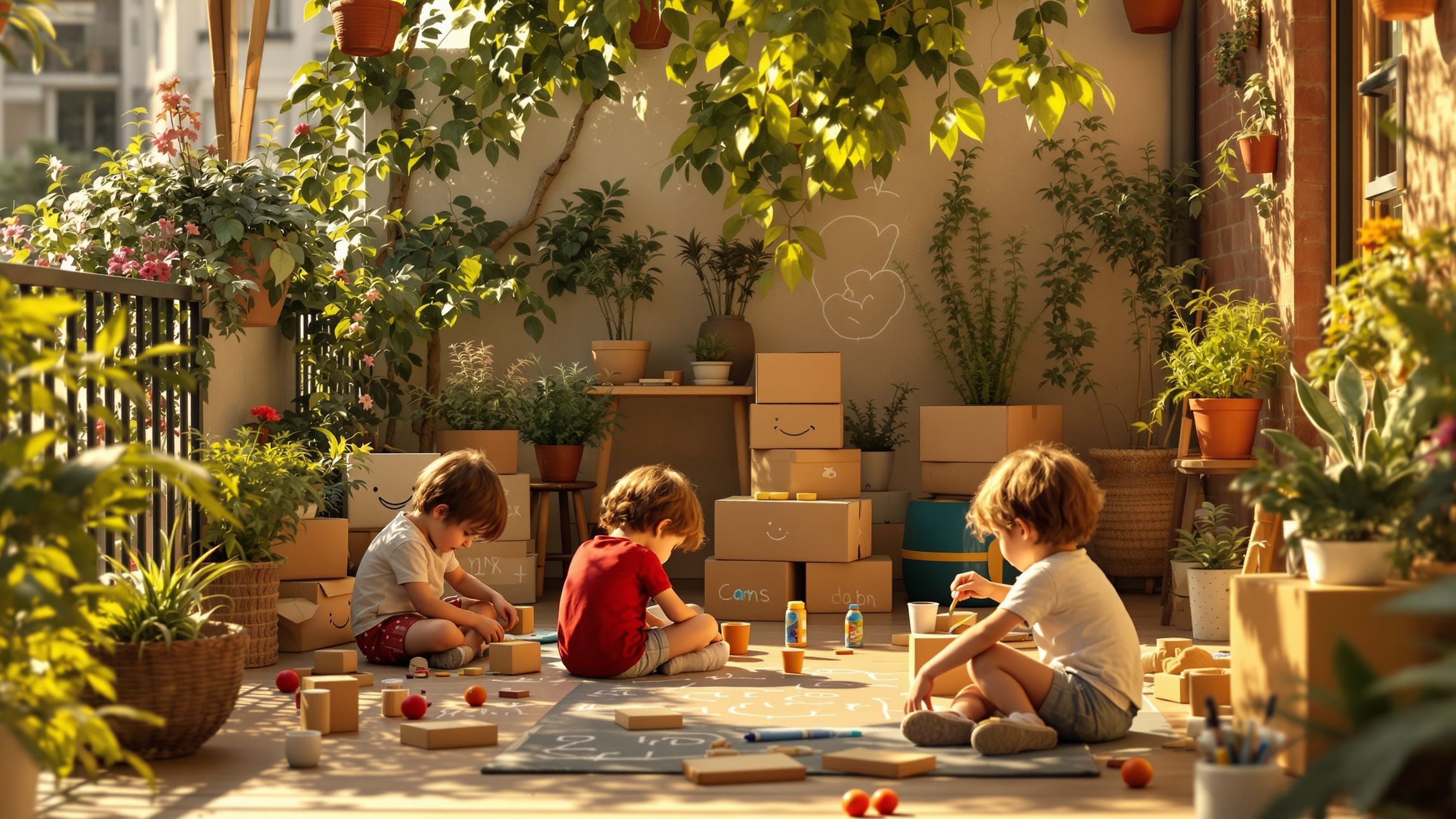
Every child is different, and what excites one may not interest another. Paying attention to what your child enjoys can help guide outdoor activities. A child who loves building might enjoy creating forts or structures outside, while a child who enjoys art might like drawing with chalk or painting nature scenes.
If a child loves animals, outdoor play can involve observing birds, insects, or pets. If they enjoy movement, games like running, jumping, or riding bikes can keep them engaged. By connecting outdoor play to their interests, it becomes something they choose rather than something they resist.
Create a Comfortable Outdoor Space
Sometimes children hesitate to play outside because the environment doesn’t feel inviting. Creating a comfortable and engaging outdoor space can make a big difference. This doesn’t require a large yard or expensive equipment. Even small touches can transform the experience.
Adding simple elements like blankets, cushions, or shaded areas can make outdoor spaces feel cozy. Having easy access to toys, balls, or creative materials encourages spontaneous play. When the outdoor environment feels like an extension of their indoor comfort, children are more likely to spend time there.
Limit Screen Time Thoughtfully
Screens are one of the biggest competitors for outdoor play. While they can be part of a balanced routine, setting thoughtful limits helps create space for other activities. This doesn’t mean removing screens entirely, but rather finding a healthy balance that encourages variety.
Creating screen-free times during the day, especially when the weather is nice, can naturally lead kids toward outdoor activities. When children have fewer distractions indoors, they are more likely to seek out other forms of entertainment, including playing outside.
Make It a Social Experience
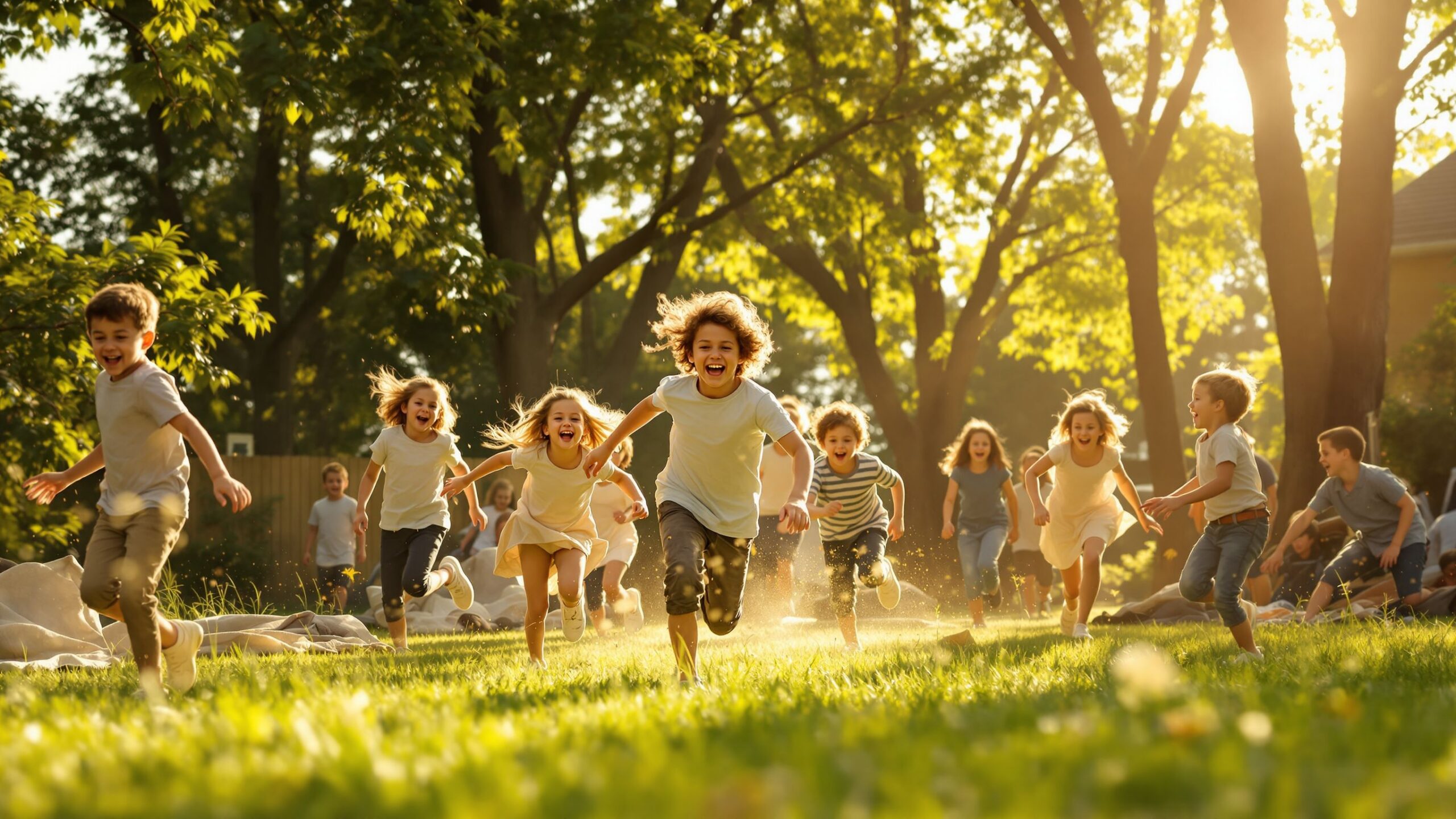
Children are often more excited about activities when they can share them with others. Outdoor play becomes more appealing when friends, siblings, or family members are involved. Playing together adds energy, laughter, and a sense of connection.
Organizing simple group activities, like games or shared adventures, can make outdoor time something kids look forward to. Even joining your child outside for a short time can make a big impact. Your presence shows that outdoor play is valuable and fun, not just something they have to do alone.
Build Outdoor Play into Daily Routines
Consistency helps make outdoor play a natural part of everyday life. Instead of treating it as an occasional activity, incorporating it into daily routines makes it feel normal and expected. This could be as simple as spending time outside after school, before dinner, or during breaks.
When outdoor play becomes part of the routine, children are less likely to resist it. It becomes something they anticipate, just like any other daily activity. Over time, this consistency builds habits that encourage long-term engagement with the outdoors.
Encourage Independent Exploration
As children grow, they benefit from having the freedom to explore on their own. Outdoor environments provide the perfect setting for independent play, allowing kids to make decisions, solve problems, and follow their curiosity.
Giving children space to explore safely helps build confidence and independence. They learn to navigate their surroundings, take risks, and discover new interests. This sense of ownership over their play makes outdoor time more meaningful and enjoyable.
Embrace All Types of Weather
Outdoor play doesn’t have to be limited to perfect conditions. With the right preparation, many types of weather can become part of the adventure. Rain can turn into puddle jumping, and cooler days can be an opportunity to explore nature in a different way.
Helping children see weather as part of the experience rather than a barrier encourages resilience and adaptability. Dressing appropriately and focusing on the fun aspects of each season can make outdoor play enjoyable year-round.
Celebrate the Joy of Being Outside
Sometimes the simplest approach is the most effective. Celebrating the joy of being outside—feeling the sun, breathing fresh air, and moving freely—helps children associate outdoor play with positive experiences. These moments don’t need to be structured or planned. Even unstructured time spent exploring can be incredibly valuable.
Encouraging kids to notice the small details of the outdoors, like the sound of birds or the feel of grass, helps them develop an appreciation for nature. This connection often grows into a lasting love for outdoor activities.
Turning Outdoor Play into a Lifelong Habit
Encouraging kids to play outside more often is about creating an environment where they feel inspired, comfortable, and excited to explore. By making outdoor time fun, flexible, and part of everyday life, parents can help children develop habits that last well beyond childhood.
Outdoor play becomes more than just an activity—it becomes a way for children to learn, grow, and connect with the world around them. With the right approach, stepping outside can transform from a simple suggestion into an adventure they can’t wait to experience.