
Creativity is not something that appears overnight. Like any skill, it grows stronger through consistent practice and encouragement. Children who engage their imagination regularly develop stronger creative thinking abilities, better problem-solving skills, and greater confidence in expressing their ideas. While many people think creativity requires special talents or expensive resources, the truth is that imagination can be nurtured through simple daily experiences. Every day presents opportunities to inspire creative thinking. A story told before bedtime, a question asked during breakfast, a drawing created after school, or a pretend adventure in the backyard can all help strengthen a child’s imagination. These moments may seem small, but over time they build powerful habits that encourage curiosity, innovation, and independent thinking. In today’s world, children are often surrounded by structured schedules and digital entertainment. While these experiences have value, imagination thrives when children have opportunities to create, explore, and think freely. Daily imagination boosters help balance routine activities with creative exploration, giving children the tools they need to become lifelong innovators and problem-solvers.
A: Even 10–20 minutes of imaginative play can make a meaningful difference.
A: No, many of the best activities use everyday household items.
A: Creativity can be developed through encouragement, practice, and curiosity.
A: Yes, books help children visualize characters, settings, and stories.
A: Balance is important; hands-on play and imagination should remain part of daily life.
A: Use simple prompts and let children decide what happens next.
A: Creative thinking supports problem-solving, communication, and learning skills.
A: Story games, drawing prompts, and creative questions work well.
A: It helps children develop social, emotional, and cognitive skills.
A: Follow your child's lead and participate in their imaginative world without taking over.
Why Daily Creativity Matters
Imagination works much like a muscle. The more it is used, the stronger it becomes. Children who engage in creative activities every day learn to approach challenges with flexibility and confidence. Instead of seeing obstacles as barriers, they begin viewing them as opportunities to discover new solutions.
Daily creative experiences also strengthen brain development. Imaginative thinking encourages children to make connections between ideas, develop communication skills, and improve memory. These benefits extend far beyond creative activities and often support academic success as well.
Regular creativity can also improve emotional well-being. When children imagine, create, and explore, they gain healthy outlets for expressing feelings and processing experiences. Creativity allows them to communicate thoughts and emotions that may be difficult to express through words alone.
Most importantly, daily imagination helps children maintain their natural sense of wonder. Curiosity often drives creativity, and children who continue asking questions and exploring possibilities are more likely to remain engaged learners throughout life.
Starting the Day With Creative Questions
One of the easiest ways to encourage imagination is by beginning each day with a creative question. Rather than asking simple questions that have straightforward answers, parents can introduce questions that spark curiosity and imaginative thinking.
Questions such as “If you could invent a new animal, what would it look like?” or “What would happen if people could fly to school?” encourage children to think beyond everyday experiences. These conversations help develop creativity while creating opportunities for meaningful interaction.
Creative questions also teach children that there are many possible answers. This understanding strengthens flexible thinking and encourages originality. Instead of focusing on being right or wrong, children learn to explore ideas and possibilities.
Making creative questions part of a daily routine turns imagination into a habit. Over time, children begin generating their own imaginative questions and exploring ideas independently.
The Power of Daily Storytelling
Storytelling remains one of the most effective imagination boosters available. Children naturally enjoy stories because they introduce exciting characters, adventures, and possibilities. Incorporating storytelling into daily life strengthens creativity while improving communication skills.
Reading books together is an excellent starting point. Stories expose children to different perspectives, cultures, and ideas while encouraging visualization and imagination. As children picture settings and characters in their minds, they actively engage their creative thinking abilities.
Creating original stories is equally valuable. Children can invent characters, develop plots, and imagine unique worlds. These storytelling exercises encourage problem-solving because every story involves challenges that characters must overcome.
Families can make storytelling interactive by taking turns adding details to a shared story. This collaborative activity encourages spontaneous thinking and demonstrates how creativity grows through imagination and participation.
Encouraging Daily Pretend Play
Pretend play provides children with endless opportunities to strengthen creative thinking. Through role-playing and imaginative scenarios, children explore ideas, practice social skills, and develop problem-solving abilities.
A child pretending to run a restaurant learns about communication and organization. Another acting as an explorer develops curiosity and observation skills. Someone pretending to be an inventor practices innovative thinking and experimentation.
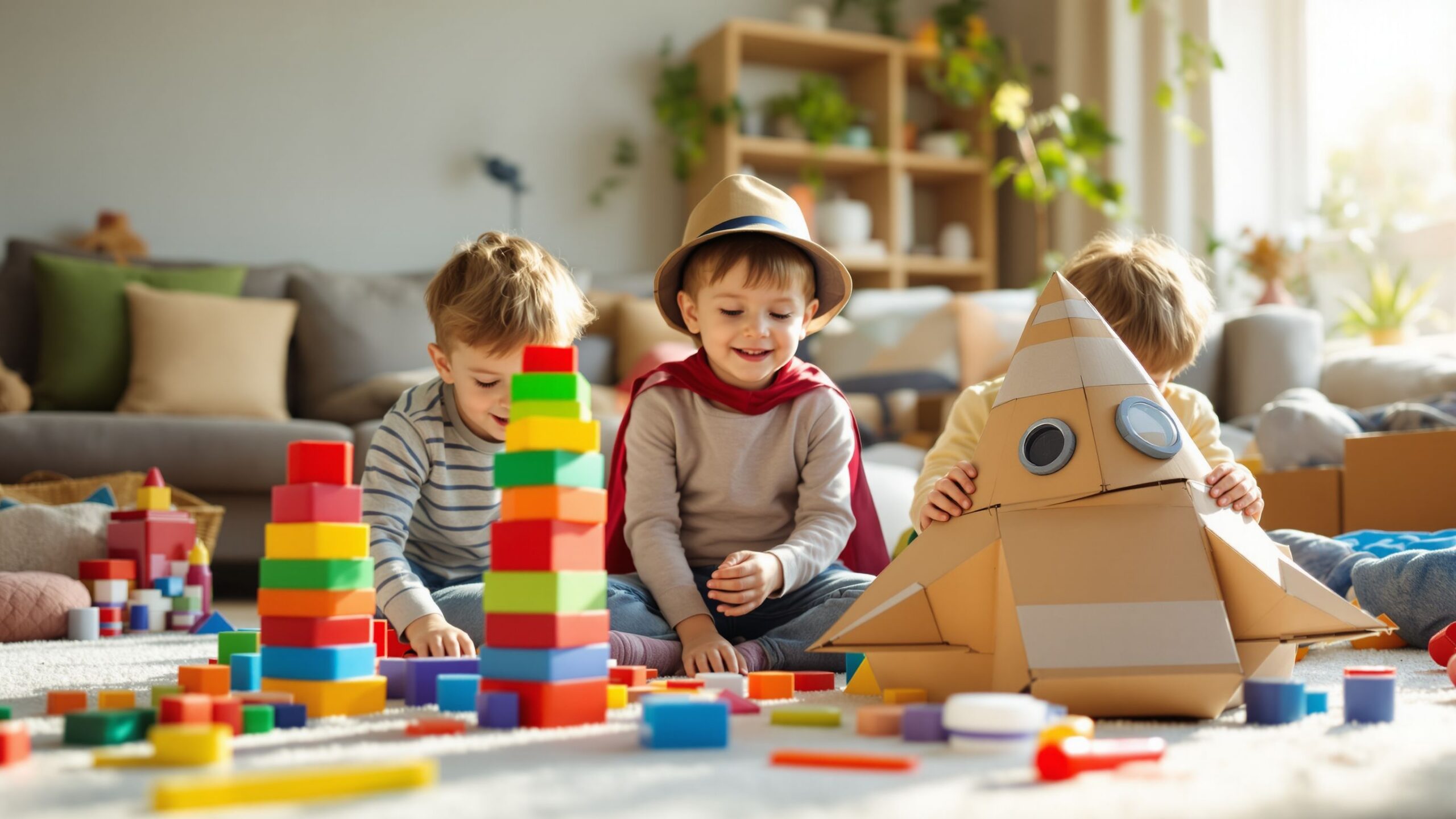
Daily pretend play does not require elaborate setups. Simple household objects often become the foundation for incredible adventures. A blanket may become a spaceship. A cardboard box can transform into a castle. A stick may become a magic wand.
When children engage in pretend play regularly, they learn to create opportunities for fun and exploration using their own imagination. This self-directed creativity becomes a valuable lifelong skill.
Turning Everyday Activities Into Adventures
One of the most effective ways to encourage imagination is by transforming ordinary activities into creative experiences. Everyday routines offer countless opportunities for imaginative exploration.
A trip to the grocery store can become a treasure hunt. Cleaning a bedroom can turn into a secret mission. Cooking dinner can become a scientific experiment. These small adjustments encourage children to view routine tasks through a creative lens.
Creative adventures make everyday experiences more engaging while teaching children to find excitement in ordinary moments. This ability to see possibilities everywhere is one of the hallmarks of strong creative thinking.
Parents who model imaginative thinking help children develop similar habits. When adults approach daily experiences with curiosity and enthusiasm, children often follow their example.
Making Art a Daily Habit
Art encourages children to transform thoughts and ideas into something tangible. Daily creative expression helps strengthen imagination while building confidence and communication skills.
Drawing, painting, sculpting, crafting, and designing all encourage experimentation. Children learn to explore possibilities without worrying about finding a single correct answer. This freedom supports innovation and originality.
The focus should remain on the creative process rather than the final product. When children feel free to experiment, they become more willing to take risks and develop unique ideas.
Even a few minutes of artistic exploration each day can have a significant impact. Sketching an imaginary creature, designing a dream house, or creating a colorful collage all encourage creative thinking and self-expression.
Over time, daily artistic activities help children view creativity as a natural part of everyday life.
Exploring Nature Through Imagination
Nature offers endless inspiration for creative thinking. The outdoors provides opportunities for exploration, discovery, and imaginative play that are difficult to replicate indoors.
A walk through a park can inspire stories about hidden kingdoms and magical creatures. Watching clouds can become an exercise in visual imagination. Collecting leaves, rocks, and flowers can spark creative projects and storytelling adventures.
Nature encourages observation, which is an important component of creativity. Children who notice details often generate more imaginative ideas because they have a larger collection of experiences to draw from.
Regular outdoor exploration also supports curiosity and wonder. These qualities help fuel creative thinking and encourage lifelong learning.
Creating Opportunities for Problem-Solving
Creative thinking and problem-solving are closely connected. Daily challenges help children practice generating ideas, evaluating options, and developing innovative solutions.
Simple building projects, puzzles, and engineering activities encourage experimentation. Children learn that there are often multiple ways to approach a challenge. This understanding strengthens flexibility and confidence.
Open-ended challenges are particularly valuable because they encourage children to think independently. Building a bridge from household materials or designing a new invention allows for creativity and exploration.
When adults celebrate effort and experimentation rather than perfection, children become more willing to take creative risks. This mindset supports innovation and resilience.
Limiting Overscheduling
Modern childhood often includes sports, lessons, clubs, and countless organized activities. While these experiences offer valuable benefits, too much structure can limit opportunities for imagination.
Children need downtime to explore their own ideas. Unstructured moments encourage independent thinking because children must create their own entertainment and activities.
Boredom is often viewed negatively, but it can actually become a powerful creativity booster. When children are not constantly entertained, they frequently invent games, stories, and projects that strengthen imaginative thinking.
Allowing time for free exploration helps creativity flourish naturally. Some of the most memorable imaginative experiences begin during quiet moments with no specific plan.
Using Technology Creatively
Technology can support imagination when used as a tool for creation rather than passive consumption. Digital storytelling apps, animation programs, music software, and design tools encourage children to bring their ideas to life.
Creative technology use allows children to combine imagination with modern skills. They can create movies, design games, write stories, and produce digital artwork that reflects their unique perspectives.
The key is maintaining balance. Hands-on activities remain essential for healthy development, but technology can complement traditional creative experiences when used intentionally.
Encouraging children to create rather than simply watch helps transform screen time into an opportunity for innovation and self-expression.
Building a Home That Inspires Creativity
The environment children grow up in significantly influences their willingness to think creatively. A creativity-friendly home provides opportunities for exploration, experimentation, and self-expression.
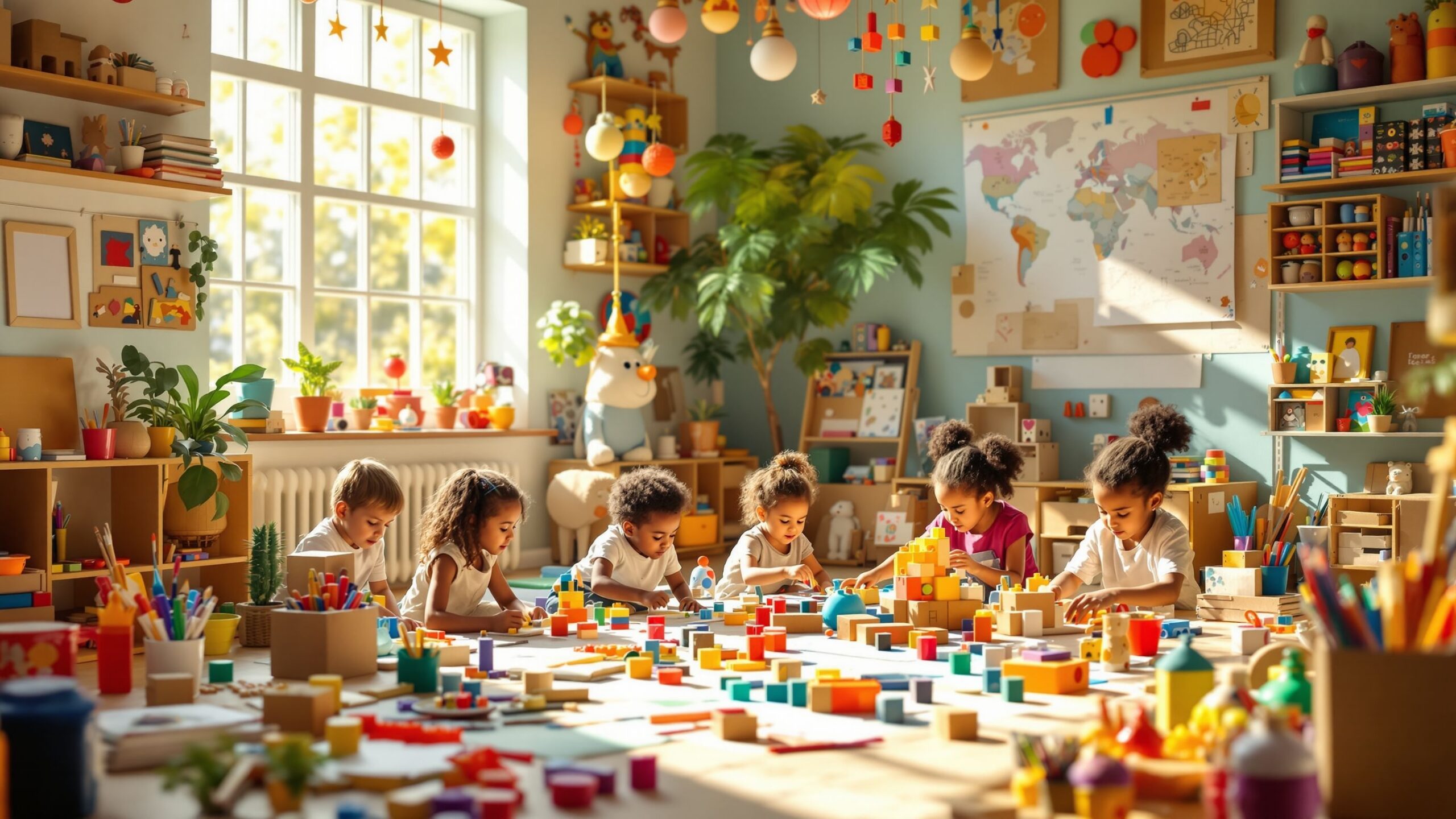
Simple materials such as books, art supplies, building blocks, cardboard boxes, and recycled materials encourage imaginative play. These resources invite children to create rather than follow predetermined instructions.
Displaying children’s artwork and projects communicates that their ideas are valued. This encouragement helps build confidence and motivates continued creative exploration.
A creativity-friendly home also embraces mistakes as part of the learning process. Children who feel safe experimenting are more likely to take risks and develop original ideas.
Most importantly, creative homes encourage curiosity. Questions, exploration, and discovery become natural parts of daily life.
Helping Creativity Become a Lifelong Habit
The ultimate goal of daily imagination boosters is not simply to entertain children. It is to help them develop habits that support lifelong creativity and innovation.
Children who practice creative thinking regularly learn to approach challenges with curiosity and confidence. They become comfortable exploring new ideas and adapting to unexpected situations.
These skills benefit every area of life, from education and career development to relationships and personal growth. Creative thinkers often discover opportunities that others overlook because they are willing to imagine possibilities beyond the obvious.
Every story told, question asked, drawing created, and adventure imagined contributes to this growth. Small daily experiences accumulate over time, helping children develop powerful creative abilities.
Conclusion
Daily imagination boosters are among the most effective ways to strengthen creative thinking in children. Through storytelling, pretend play, artistic expression, curiosity, nature exploration, and open-ended problem-solving, children learn to think beyond limitations and discover new possibilities.
The most powerful creativity-building experiences are often simple moments woven into everyday life. A creative question at breakfast, a story before bedtime, a drawing after school, or an imaginative outdoor adventure can all help nurture a child’s imagination.
By making creativity a daily habit, parents and educators provide children with skills that will benefit them throughout their lives. Imagination encourages innovation, resilience, confidence, and curiosity. These qualities help children become not only better learners but also future creators, problem-solvers, and leaders who are prepared to shape a world filled with possibilities.