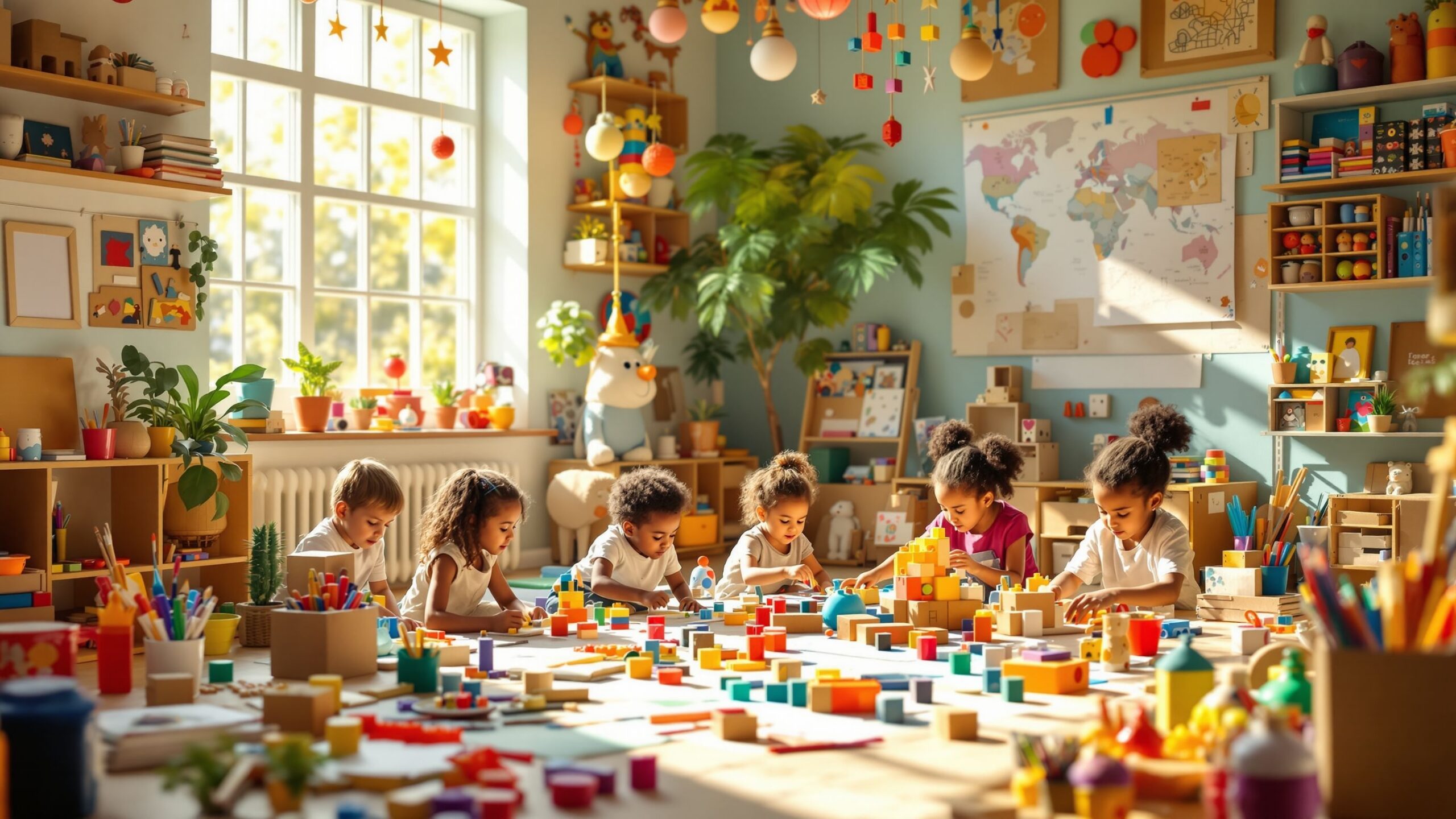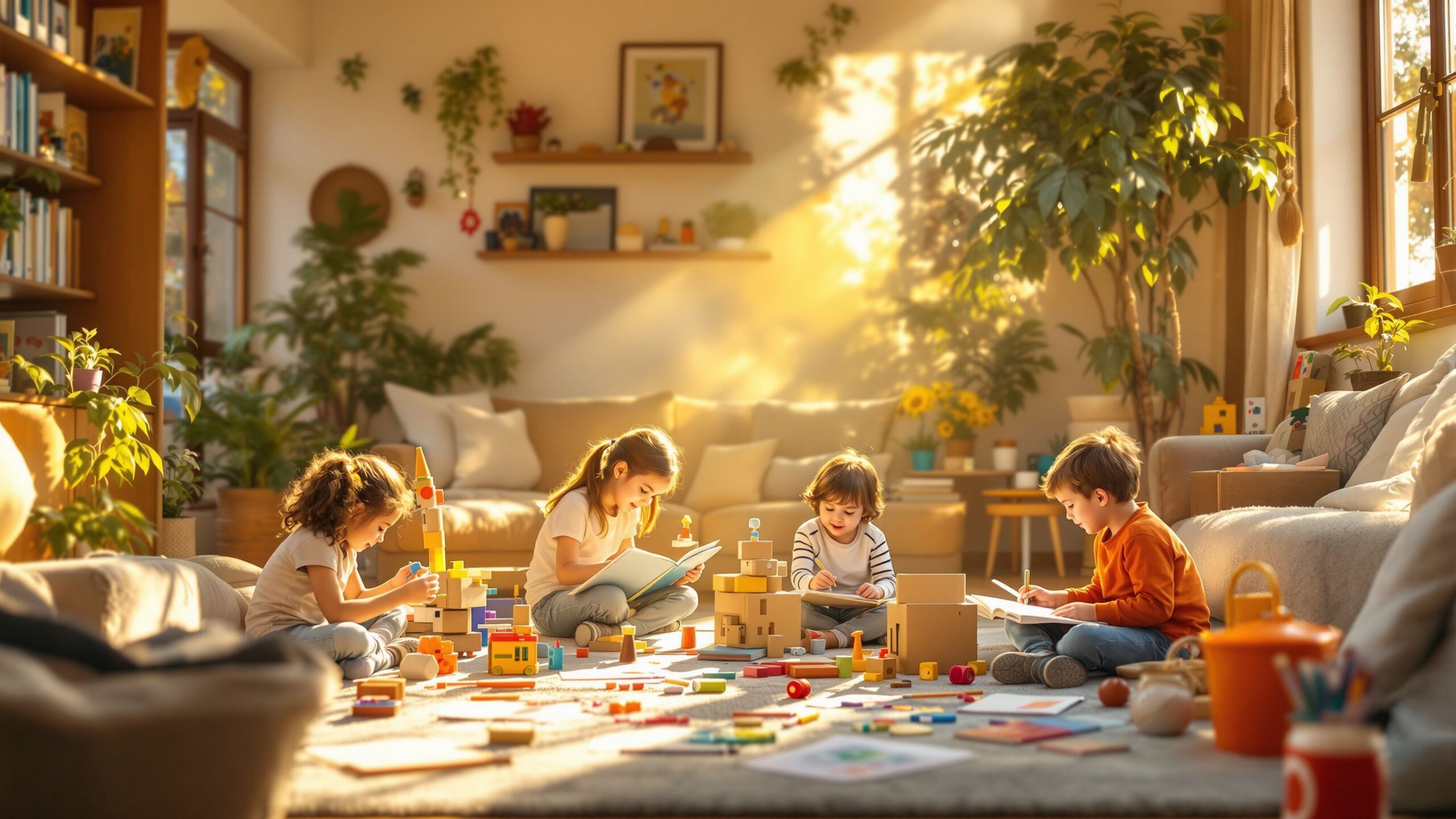

Imagination is one of the most important tools children use to learn about the world. Through creativity, they develop problem-solving skills, communication abilities, emotional intelligence, and confidence. While every child is naturally imaginative, the ways they express creativity change as they grow. What inspires a curious toddler may differ greatly from what excites a school-aged child. Understanding these differences allows parents, caregivers, and educators to provide age-appropriate experiences that strengthen creative thinking throughout childhood.
Every stage of development presents unique opportunities to encourage imagination. Toddlers explore creativity through sensory experiences and simple pretend play. Preschoolers build elaborate fantasy worlds and enjoy storytelling adventures. Elementary-aged children begin using imagination to solve problems, invent games, and create more detailed projects. By matching imagination boosters to a child’s developmental stage, adults can help creativity flourish naturally and effectively.
The good news is that nurturing imagination does not require expensive toys or complicated programs. Some of the most effective creativity boosters are simple activities that encourage curiosity, exploration, and independent thinking. This guide explores the best imagination boosters for children at every age, from toddlers to big kids.
A: Simple pretend games, music, movement, stacking, sensory play, and copycat games work well.
A: Dress-up, pretend kitchens, puppets, art, blocks, storytelling, and role-play games are great options.
A: Give them projects, story prompts, building challenges, art supplies, and time to make their own decisions.
A: Try comics, filmmaking, game design, creative writing, music, building, photography, or invention challenges.
A: Yes, the same idea can be adjusted by making it simpler for little kids and more complex for older kids.
A: Yes, choose flexible activities like forts, treasure hunts, puppet shows, outdoor games, or building projects.
A: Make the activity easier, offer choices, and focus on fun instead of perfect results.
A: If your child needs constant help or loses interest quickly, simplify the task or offer a more playful version.
A: Yes, big kids use imagination for problem-solving, self-expression, planning, writing, humor, and innovation.
A: Storytelling works for every age because it can be as simple or detailed as the child is ready for.
Why Age-Appropriate Creativity Matters
Children’s brains develop rapidly during the early years, and imagination evolves alongside that growth. Activities that feel exciting and engaging at one age may seem too simple or too challenging at another. Providing age-appropriate creative experiences helps children stay interested while developing new skills.
When children engage in activities suited to their developmental level, they are more likely to feel confident and successful. This confidence encourages them to take creative risks, experiment with new ideas, and continue exploring their imagination.
Age-appropriate creativity also supports learning. Young children use imagination to understand the world around them, while older children begin applying creative thinking to more complex situations. Matching activities to developmental needs ensures that imagination remains both enjoyable and beneficial.
Most importantly, recognizing these differences allows adults to appreciate how creativity grows and changes over time. Imagination is not something children outgrow. It simply evolves into new forms as they mature.
Imagination Boosters for Toddlers Ages 1 to 3
Toddlers are natural explorers. At this age, creativity often emerges through sensory experiences, movement, and simple pretend play. Their imaginations are just beginning to develop, so the focus should be on exploration rather than structured activities.
Sensory play is one of the most effective imagination boosters for toddlers. Activities involving water, sand, play dough, finger paints, and textured materials encourage curiosity and discovery. These experiences allow toddlers to experiment with cause and effect while stimulating creative thinking.
Simple pretend play also becomes important during this stage. A toy phone may become a way to call grandparents. A stuffed animal might become a dinner guest. These early imaginative experiences help toddlers understand symbolic thinking.
Music and movement provide additional opportunities for creativity. Dancing, singing, and exploring rhythms encourage self-expression while developing coordination and confidence.
Reading picture books together supports imagination by introducing new ideas, sounds, and experiences. Even before children fully understand stories, they begin developing the ability to visualize and imagine different possibilities.
At this age, the goal is to provide opportunities for exploration and discovery. Toddlers learn best when they are free to investigate their environment through play.
Imagination Boosters for Preschoolers Ages 3 to 5
Preschoolers often experience an explosion of creativity. Their language skills improve rapidly, allowing them to create stories, imaginary worlds, and elaborate pretend-play scenarios.
Dress-up play becomes especially popular during these years. Children enjoy pretending to be superheroes, doctors, teachers, astronauts, chefs, and countless other characters. These role-playing activities strengthen creativity while helping children explore social situations and emotions.
Storytelling also becomes a powerful imagination booster. Preschoolers love creating characters, inventing adventures, and imagining magical worlds. Encouraging them to tell stories aloud or illustrate their ideas helps develop both creativity and communication skills.
Building activities are another excellent choice. Blocks, magnetic tiles, cardboard boxes, and simple construction toys allow preschoolers to design structures and experiment with problem-solving.
Art projects encourage self-expression and imaginative exploration. Drawing, painting, cutting, gluing, and crafting help children transform ideas into tangible creations.
Nature exploration also provides endless inspiration. Preschoolers often see wonder in ordinary things, turning sticks into swords, leaves into treasure, and rocks into magical artifacts. Supporting this natural curiosity helps creativity thrive.
Imagination Boosters for Early Elementary Kids Ages 6 to 8
As children enter elementary school, their creativity becomes more detailed and purposeful. They begin combining imagination with growing knowledge and problem-solving skills.
Creative writing becomes an excellent imagination booster during this stage. Children enjoy inventing characters, writing stories, and creating comic books. These activities strengthen both literacy skills and creative thinking.
Building and engineering projects become increasingly engaging. Children may enjoy designing bridges, constructing forts, or inventing new machines from household materials. These projects encourage innovation and experimentation.
Board games and puzzles can also support creativity by requiring strategic thinking and problem-solving. Many children begin inventing their own games, which adds another layer of imaginative exploration.
Art projects become more detailed as children gain greater control over materials and techniques. Encouraging experimentation rather than perfection helps maintain creativity and confidence.
At this age, children often enjoy collecting information about topics that interest them. Whether they are fascinated by dinosaurs, space, animals, or history, these interests can inspire creative projects, stories, and inventions.
Providing opportunities for independent exploration becomes increasingly important as children begin developing their own creative identities.
Imagination Boosters for Big Kids Ages 9 to 12
Older children often possess rich imaginations, but their creativity may look different than it did during earlier years. Rather than relying primarily on pretend play, they often express creativity through projects, problem-solving, storytelling, and innovation.
Creative writing can become more sophisticated during this stage. Many children enjoy developing detailed stories, fantasy worlds, and complex characters. Journaling and storytelling encourage self-expression while strengthening communication skills.
Technology can become a valuable creativity tool when used thoughtfully. Children may enjoy creating animations, designing games, producing videos, or developing digital artwork. These activities combine imagination with modern skills.
Hands-on building projects remain highly effective. Robotics kits, engineering challenges, and invention-based activities encourage creative problem-solving and innovation.
Big kids also benefit from opportunities to pursue personal interests. Whether they enjoy science, art, sports, music, or technology, allowing them to explore passions creatively supports imagination and confidence.
Group projects can be especially valuable because they encourage collaboration and idea-sharing. Working with peers teaches children how creativity often grows through teamwork and diverse perspectives.
The key at this age is encouraging independence while continuing to provide opportunities for exploration and experimentation.
Imagination Boosters That Work at Any Age
While some activities are more appropriate for certain age groups, many imagination boosters remain effective throughout childhood. Reading is one of the best examples. Stories inspire creativity regardless of age by introducing new ideas, perspectives, and possibilities.
Nature exploration also benefits children at every developmental stage. Toddlers enjoy sensory discovery, while older children may use outdoor experiences as inspiration for stories, artwork, and scientific investigations.
Art remains valuable throughout childhood because it encourages self-expression and experimentation. The materials and techniques may change, but the creative benefits remain consistent.
Open-ended play is another universal imagination booster. Activities without strict rules encourage children to create their own experiences and solutions. Whether building with blocks, designing inventions, or creating stories, open-ended exploration supports creativity at every age.
Curiosity is perhaps the most important imagination booster of all. Encouraging questions and exploration helps children maintain a sense of wonder throughout their lives.
Creating a Creativity-Friendly Environment
The environment children grow up in plays a significant role in shaping their imagination. A creativity-friendly space encourages exploration, experimentation, and self-expression.
Providing access to books, art supplies, building materials, and open-ended toys gives children opportunities to create rather than simply consume entertainment. These resources encourage independent thinking and imaginative exploration.
Displaying children’s artwork and creative projects communicates that their ideas are valued. This recognition helps build confidence and motivates continued creativity.
A creativity-friendly environment also embraces mistakes. Children who feel safe experimenting are more likely to take risks and develop original ideas. Creativity thrives when perfection is not the goal.
Most importantly, children need time. Overscheduling can limit opportunities for imagination. Unstructured moments often become the foundation for the most memorable creative experiences.
Helping Creativity Grow Through the Years
Imagination is not something children outgrow. Instead, it evolves as they develop new skills, interests, and perspectives. Supporting creativity throughout childhood helps children build confidence in their ideas and strengthens their ability to think independently.
Parents and educators play an important role in this process. Encouragement, curiosity, and opportunities for exploration help children maintain their natural creativity as they grow older.
Every drawing, story, invention, and imaginative adventure contributes to a child’s development. These experiences teach children to approach challenges with curiosity and confidence while helping them discover their unique talents and interests.
Creativity is a lifelong skill, and the habits developed during childhood often continue into adulthood. By nurturing imagination early, adults help children develop tools that will benefit them for years to come.
Conclusion
Imagination changes and grows throughout childhood, but its importance never fades. From toddlers exploring the world through sensory play to big kids creating stories, inventions, and innovative solutions, creativity remains a powerful force in development.
Age-appropriate imagination boosters help children build confidence, strengthen problem-solving skills, and maintain a lifelong sense of curiosity. By understanding how creativity evolves at different stages, parents and educators can provide experiences that inspire and support growing minds.
The most effective imagination boosters are often simple opportunities to explore, create, and dream. Whether through storytelling, art, nature, pretend play, or hands-on projects, children develop valuable skills every time they use their imagination. By encouraging creativity at every age, we help children grow into confident thinkers, innovators, and lifelong learners ready to embrace a world full of possibilities.