
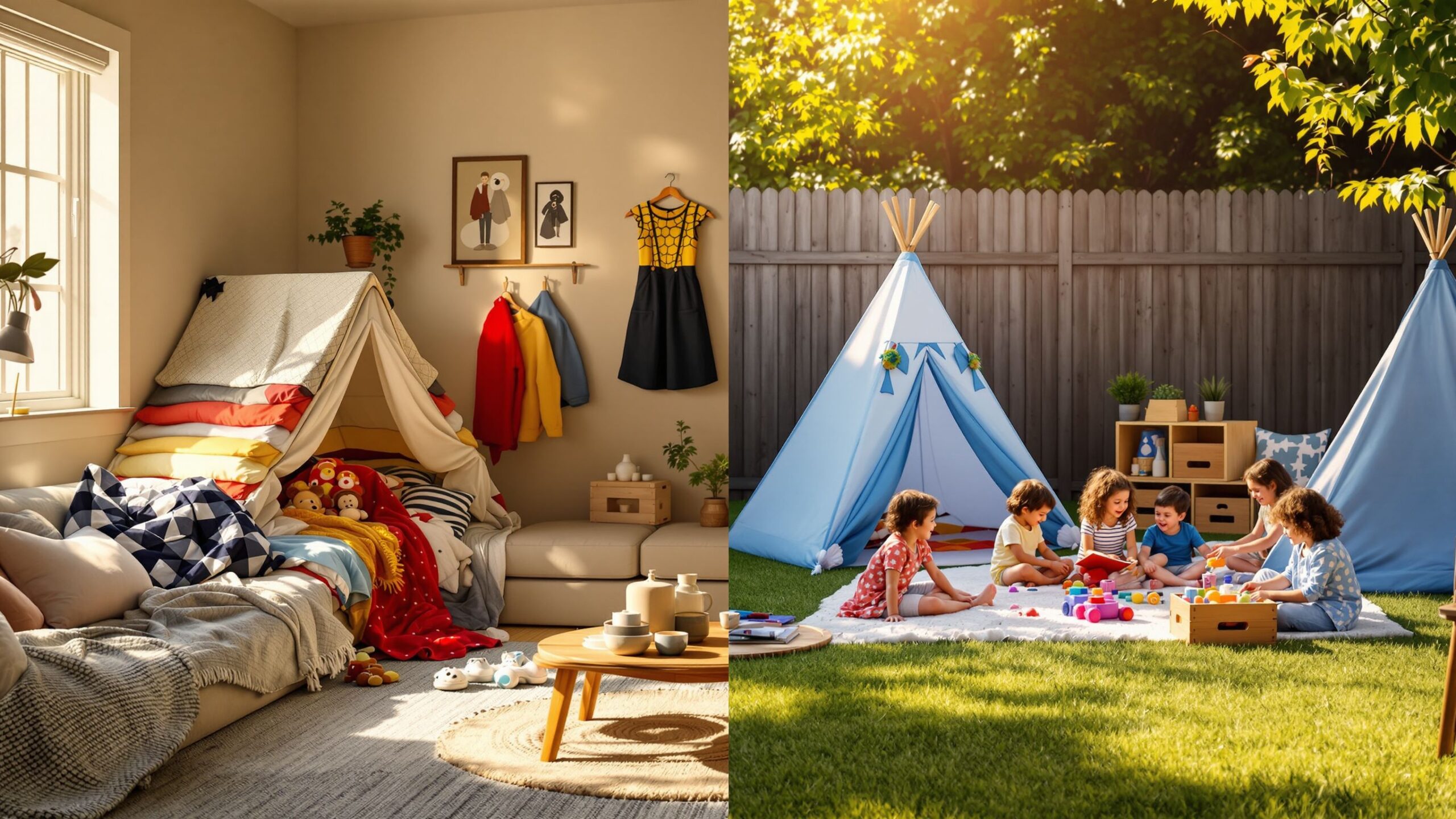
Creating a pretend play area is one of the most powerful ways to nurture a child’s imagination, creativity, and emotional growth. Whether you are working with a small corner in your home or a wide-open playground, the goal is not perfection—it is possibility. A well-designed pretend play space invites children to explore, create stories, and step into worlds of their own making. With thoughtful planning and a focus on flexibility, you can build an environment that sparks endless adventures.
A: Choose a safe, visible corner with enough room for movement, props, and easy cleanup.
A: Yes, playgrounds work well because slides, bridges, benches, and open spaces naturally become story settings.
A: Start with a few costumes, boxes, blankets, stuffed animals, paper, markers, and open-ended props.
A: Use labeled bins, baskets, hooks, and simple cleanup routines kids can follow.
A: Even a small corner can work if it is uncluttered, flexible, and easy to access.
A: A theme can help, but flexible spaces are better because kids can change the story anytime.
A: Refresh it when play feels stale by swapping props, moving furniture, or adding a new story idea.
A: Check the ground, set boundaries, avoid sharp props, and supervise based on age and location.
A: Expect some mess, but keep cleanup simple with baskets and a clear reset routine.
A: The most important part is giving kids freedom to imagine, rearrange, and lead the play.
Why a Dedicated Pretend Play Space Matters
Children thrive when they have a consistent place to explore their imagination. A dedicated pretend play area signals that creativity is valued and encouraged. It gives children a sense of ownership over their play, allowing them to return to unfinished stories and expand on ideas over time. Instead of constantly starting from scratch, they can build ongoing narratives, which strengthens memory, focus, and storytelling skills.
A defined space also helps reduce clutter and makes it easier to organize materials. When everything has a place, children can access what they need independently, which boosts confidence and encourages self-directed play. Most importantly, it creates an environment where imagination feels natural and limitless.
Choosing the Right Location
The first step in setting up a pretend play area is choosing the right location. Indoors, this could be a corner of a living room, a section of a bedroom, or even a small nook under the stairs. The key is to find a space that is safe, accessible, and free from too many distractions. Natural light can enhance the atmosphere, making the space feel warm and inviting.
Outdoors, the options expand significantly. A backyard, patio, or playground can all serve as excellent locations for pretend play. Look for areas that provide a mix of open space and natural elements. Trees, grass, and even simple features like rocks or sand can become part of the play experience. The goal is to choose a space that encourages movement and exploration while still allowing for imaginative storytelling.
Creating a Flexible Foundation
The best pretend play areas are flexible rather than fixed. Instead of designing a space for one specific theme, create a foundation that can support many different scenarios. This means using open-ended materials that can be transformed into anything a child imagines.
Simple items like blankets, cardboard boxes, and cushions can become forts, castles, or spaceships. A small table might serve as a café one day and a science lab the next. By keeping the setup adaptable, you allow children to take the lead and shape the environment according to their ideas.
Flexibility also means leaving room for change. As children grow and their interests evolve, the play area should evolve with them. Regularly refreshing the space with new props or rearranging the layout can keep it exciting and engaging.
Essential Elements of a Pretend Play Area
While creativity is the heart of pretend play, certain elements can enhance the experience. Costumes and dress-up items are a great starting point. Hats, scarves, and simple outfits allow children to step into different roles and explore new identities. These do not need to be elaborate; even everyday clothing can inspire imaginative play.
Props and accessories are equally important. Items like toy dishes, tools, or figurines can provide a framework for storytelling. However, it is important not to overload the space. Too many detailed toys can limit creativity, while a smaller selection of versatile items encourages children to think outside the box.
Storage is another key component. Baskets, bins, or shelves help keep materials organized and accessible. When children can easily see and reach their props, they are more likely to engage in independent play.
Designing for Indoor Pretend Play
Indoor pretend play areas should feel cozy, inviting, and easy to navigate. Soft surfaces like rugs or mats can create a comfortable foundation for play. Adding elements like pillows or a small tent can make the space feel special and separate from the rest of the home.
Lighting plays an important role as well. Soft, warm lighting can enhance the atmosphere and make the space feel more magical. String lights or a small lamp can add a sense of wonder without overwhelming the area.
Incorporating themed corners can also be effective. For example, one section might include a play kitchen, while another features building materials or costumes. These zones provide inspiration while still allowing for flexibility and creativity.
Designing for Outdoor Pretend Play
Outdoor pretend play areas offer unique opportunities for larger, more active scenarios. Natural elements can become part of the story, turning a simple yard into a jungle, a desert, or a hidden kingdom. The key is to embrace the environment rather than trying to control it.
Creating defined zones can help organize the space. A sandbox might become a construction site or a beach, while a shaded area could serve as a campsite or marketplace. Portable items like crates, buckets, and fabric can be easily moved and adapted to different scenarios.
Safety is especially important outdoors. Ensure that the area is free from hazards and that materials are durable enough to withstand weather conditions. At the same time, allow for a sense of adventure. Climbing, running, and exploring are all part of the pretend play experience.
Encouraging Imagination Through Setup
The way a play area is arranged can influence how children interact with it. Leaving some elements intentionally incomplete can spark curiosity and creativity. For example, setting out a few props without a defined purpose invites children to decide how they will be used.
Rotating materials is another effective strategy. Introducing new items or temporarily removing others can refresh the space and inspire new ideas. This keeps the play area dynamic and prevents it from becoming routine.
It is also helpful to observe how children use the space. Paying attention to their interests and preferences can guide adjustments and improvements. The goal is to create an environment that supports their unique style of play.
Balancing Structure and Freedom
A successful pretend play area strikes a balance between structure and freedom. While it is helpful to provide some guidance through props and layout, it is equally important to leave room for imagination. Too much structure can limit creativity, while too little can make it difficult for children to get started.
Providing a loose theme can be a good compromise. For example, setting up a few items related to a “market” or “space station” can inspire play without dictating how it should unfold. Children can then build on the idea and take it in their own direction.
Encouraging children to contribute to the setup can also enhance their engagement. Allowing them to choose props, arrange items, or suggest themes gives them a sense of ownership and investment in the space.
Involving Children in the Creation Process
One of the most effective ways to create a meaningful pretend play area is to involve children in the process. This not only ensures that the space reflects their interests but also encourages creativity and problem-solving.
Children can help gather materials, design layouts, and create props. Simple crafts like drawing signs, building cardboard structures, or decorating costumes can become part of the play experience. This collaborative approach makes the space more personal and engaging.
Involving children also teaches valuable skills such as planning, organization, and teamwork. It transforms the setup process into an extension of play, rather than a separate task.
Maintaining and Refreshing the Play Area
A pretend play area should evolve over time. Regular maintenance helps keep the space functional and inviting. This includes tidying up, repairing items, and ensuring that materials are in good condition.
Refreshing the space periodically can reignite interest. This might involve introducing new props, rearranging the layout, or incorporating seasonal themes. Even small changes can make a big difference in how the space is used.
It is important to strike a balance between consistency and novelty. While changes keep the space exciting, maintaining some familiar elements provides a sense of stability and comfort.
Common Mistakes to Avoid
When setting up a pretend play area, it is easy to fall into certain traps. One common mistake is overloading the space with toys. Too many options can be overwhelming and may limit creativity. Instead, focus on quality and versatility.
Another mistake is directing the play too much. While it is natural to want to guide children, taking control can reduce their sense of ownership and creativity. Allowing them to lead ensures that the play remains meaningful and engaging.
Ignoring the child’s interests is another pitfall. A play area should reflect what excites and inspires the child, not just what seems practical or appealing to adults. Paying attention to their preferences ensures that the space remains relevant and enjoyable.
The Lasting Value of a Well-Designed Play Space
A thoughtfully designed pretend play area is more than just a place to play—it is a space where children grow, learn, and explore their identity. It encourages creativity, builds confidence, and supports emotional and social development.
By providing an environment that values imagination, you are giving children the tools they need to navigate the world with curiosity and creativity. The stories they create, the roles they explore, and the challenges they overcome in play all contribute to their development in meaningful ways.
Conclusion: Building a World of Possibility
Setting up a pretend play area at home or in a playground is an investment in a child’s imagination. It does not require perfection or expensive materials—just a willingness to create a space where creativity can flourish. With the right balance of structure and freedom, a simple area can become a gateway to endless adventures.
Every blanket fort, cardboard castle, or backyard expedition is an opportunity for growth and discovery. By nurturing this form of play, you are helping children build skills that will last a lifetime. In the end, the true magic of a pretend play area lies not in the space itself, but in the worlds it inspires children to create.