Imagination is the engine of childhood, powering everything from storytelling and problem-solving to emotional growth and confidence. In a world increasingly filled with structured activities and digital distractions, creative play worlds stand out as essential environments where children can explore freely, think independently, and learn through experience. These immersive play spaces are more than just fun—they are powerful tools that support intellectual development, social skills, and creativity in ways that traditional learning methods often cannot replicate. By designing thoughtful and engaging play worlds, parents and caregivers can unlock a child’s natural curiosity and transform everyday moments into meaningful learning experiences.
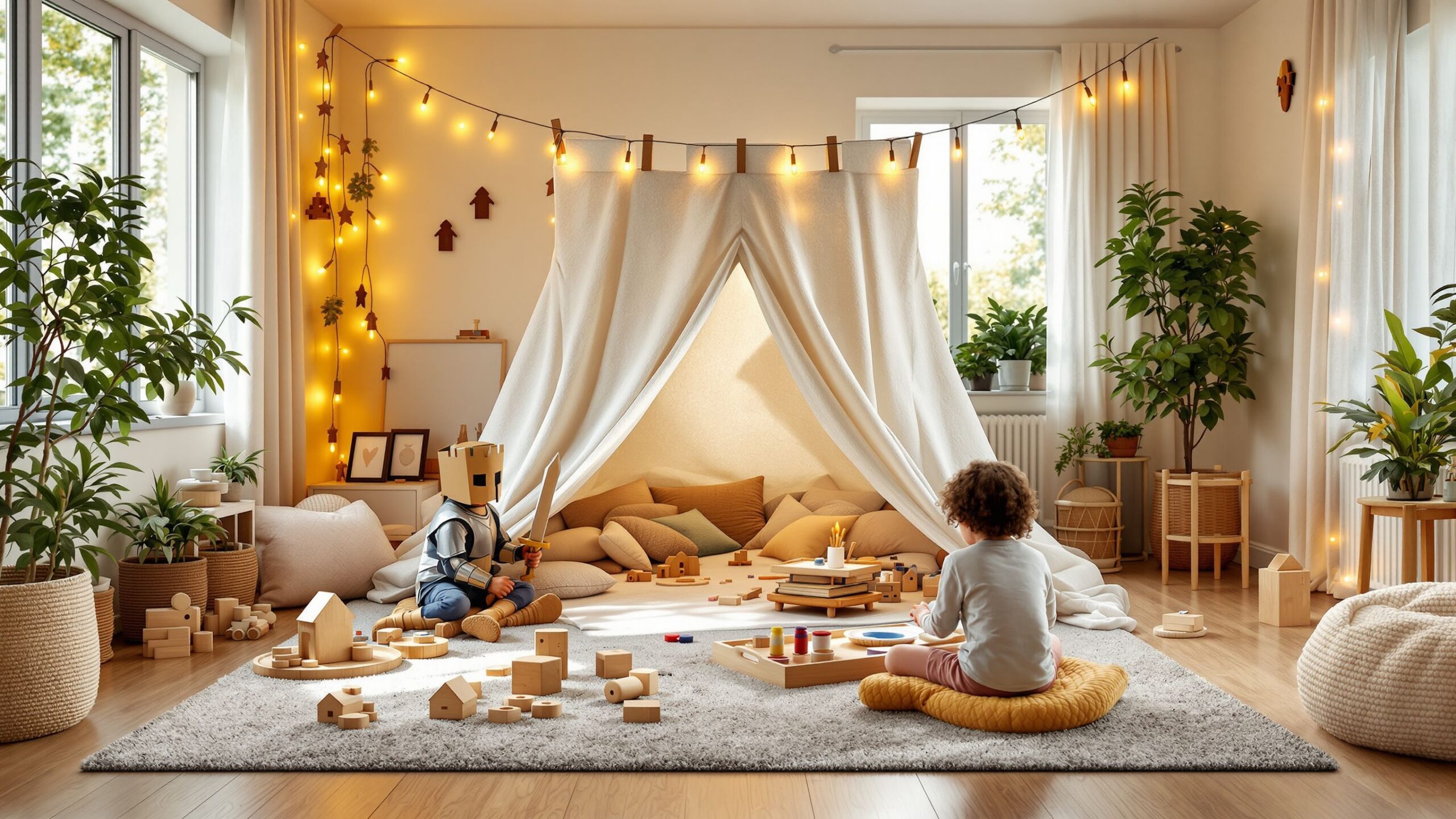
Creative play worlds invite children to step beyond reality and into spaces where anything is possible. A simple setup can become a bustling marketplace, a deep-sea research station, or a magical kingdom filled with adventure. These environments encourage children to take on roles, solve challenges, and build narratives that evolve over time. The beauty of imaginative play lies in its flexibility. There are no strict rules or predetermined outcomes, allowing children to experiment, adapt, and create in ways that feel natural and exciting.
A: Pretend shops, kitchens, clinics, forts, builder zones, and nature worlds are all excellent because they mix imagination with useful skills.
A: No; even a small corner can become a powerful imaginative world with the right props and setup.
A: They build language, social skills, problem-solving, creativity, early literacy, and flexible thinking through active play.
A: Not necessarily; some children love one clear theme while others enjoy blending ideas into their own mixed adventure world.
A: Open-ended items like blocks, fabric, boxes, baskets, art supplies, and costume pieces are usually the most useful.
A: Add movable props, simple sensory details, and playful prompts that encourage children to invent new stories.
A: Rotate themes, introduce one new prop, or add a mission that gives the play world a fresh purpose.
A: Yes; they encourage cooperation, role-sharing, communication, and collaborative storytelling.
A: Absolutely; boxes, blankets, paper, containers, and reusable craft materials often become the most creative tools in the room.
A: Start with one simple theme, create a cozy space, add flexible props, and let the child’s imagination do the rest.
Why Creative Play Worlds Are Essential for Learning
At the heart of every creative play world is an opportunity for learning. Unlike traditional educational settings, where information is often presented in a structured format, imaginative play allows children to discover knowledge organically. When a child pretends to run a store, they are practicing math skills such as counting and pricing. When they build a fort or design a play environment, they are engaging in spatial reasoning and problem-solving. These experiences are not only effective but also deeply engaging because they are driven by the child’s own interests.
Language development is another significant benefit. As children create stories and interact with others, they expand their vocabulary and improve communication skills. They learn how to express ideas, negotiate roles, and collaborate with peers. Emotional intelligence also grows within these play worlds. Children explore feelings, practice empathy, and navigate social situations in a safe and supportive environment. By acting out different scenarios, they gain a better understanding of themselves and others.
The Adventure Zone: Exploring Worlds of Discovery
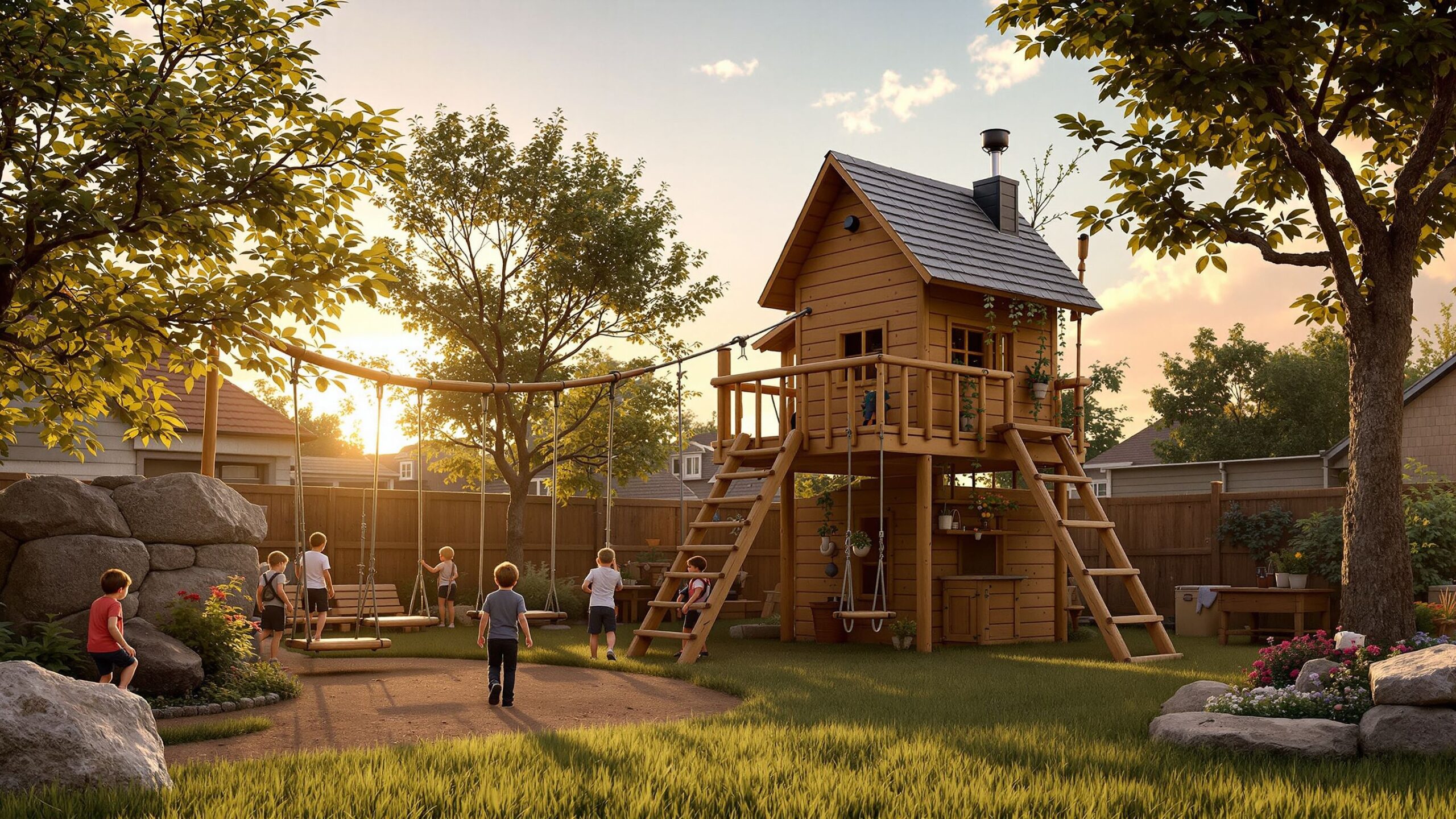
One of the most impactful types of creative play worlds is the adventure zone. This type of setup encourages exploration, curiosity, and physical activity. Adventure-themed play spaces can include elements such as climbing structures, obstacle courses, and hidden treasures that children must discover. These environments often mimic real-world exploration, such as jungles, mountains, or uncharted islands.
In an adventure zone, children become explorers, archaeologists, or treasure hunters. They create missions, solve puzzles, and navigate challenges that require both physical and mental effort. This type of play supports critical thinking and resilience, as children learn to overcome obstacles and adapt to new situations. The sense of discovery keeps them engaged and motivated, making learning feel like an exciting journey rather than a task.
The Creative Studio: Where Ideas Come to Life
A creative studio is a play world dedicated to artistic expression and innovation. This space is filled with materials that encourage children to create, design, and experiment. Paint, markers, clay, and recycled materials become tools for storytelling and self-expression. In this environment, there are no right or wrong answers—only possibilities.
Children in a creative studio learn to think outside the box and develop their unique perspectives. They gain confidence in their abilities as they see their ideas come to life. This type of play also enhances fine motor skills and attention to detail. Whether they are building sculptures, drawing characters, or crafting props for their imaginative stories, children are constantly learning and growing.
The creative studio can also be integrated into other play worlds. For example, children might design costumes for a pretend play scenario or create maps for an adventure game. This combination of creativity and storytelling deepens the play experience and encourages more complex thinking.
The Role-Play Village: Building Social and Real-World Skills
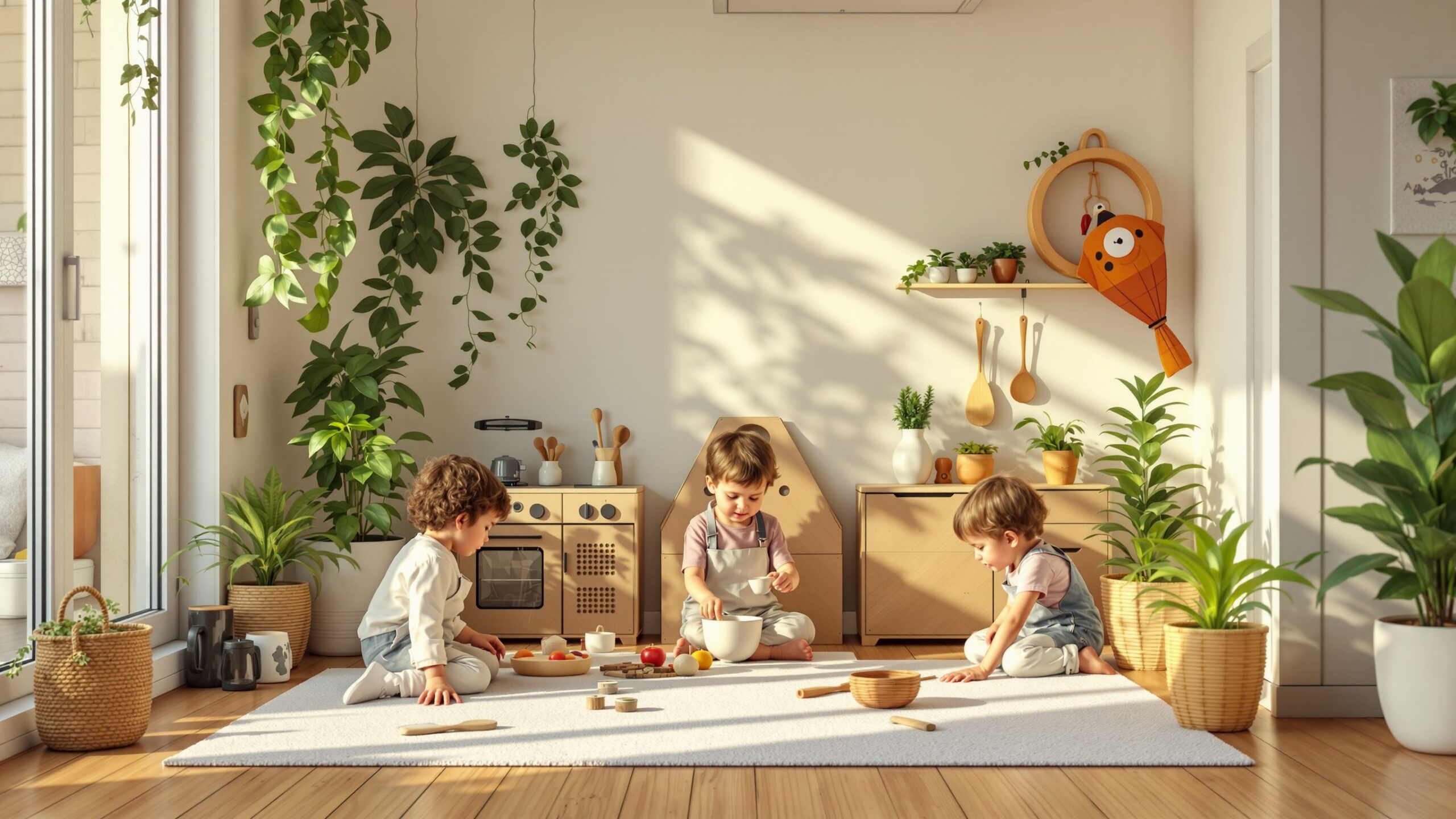
Role-play villages are among the most effective creative play worlds for teaching real-world skills. These setups mimic everyday environments such as kitchens, grocery stores, hospitals, or construction sites. Children take on roles and act out scenarios that reflect real-life experiences, allowing them to practice important skills in a playful context.
In a role-play village, children learn about responsibility, teamwork, and communication. They develop an understanding of how different roles contribute to a community. For example, a child pretending to be a chef learns about preparation and organization, while another playing a customer practices social interaction and decision-making. These experiences help children build confidence and prepare for real-world situations.
The flexibility of role-play villages makes them especially valuable. Children can switch roles, create new scenarios, and adapt the environment to fit their interests. This dynamic nature keeps the play engaging and encourages continuous learning.
Nature-Inspired Play Worlds: Learning Through the Outdoors
Nature-based play worlds offer a unique blend of imagination and sensory exploration. Outdoor environments provide endless opportunities for creative play, from building forts with branches to creating imaginary ecosystems in a garden. These play spaces encourage children to connect with nature while developing a deeper understanding of the world around them.
In a nature-inspired play world, children might become gardeners, wildlife researchers, or adventurers exploring a hidden forest. They interact with natural materials such as soil, water, and plants, gaining hands-on experience that enhances their learning. This type of play also promotes physical activity and reduces stress, contributing to overall well-being.
The unpredictability of nature adds an extra layer of excitement. Changing weather, seasonal elements, and natural discoveries keep the play environment fresh and engaging. Children learn to adapt and find new ways to interact with their surroundings, fostering creativity and resilience.
The Builder’s Workshop: Engineering Through Play
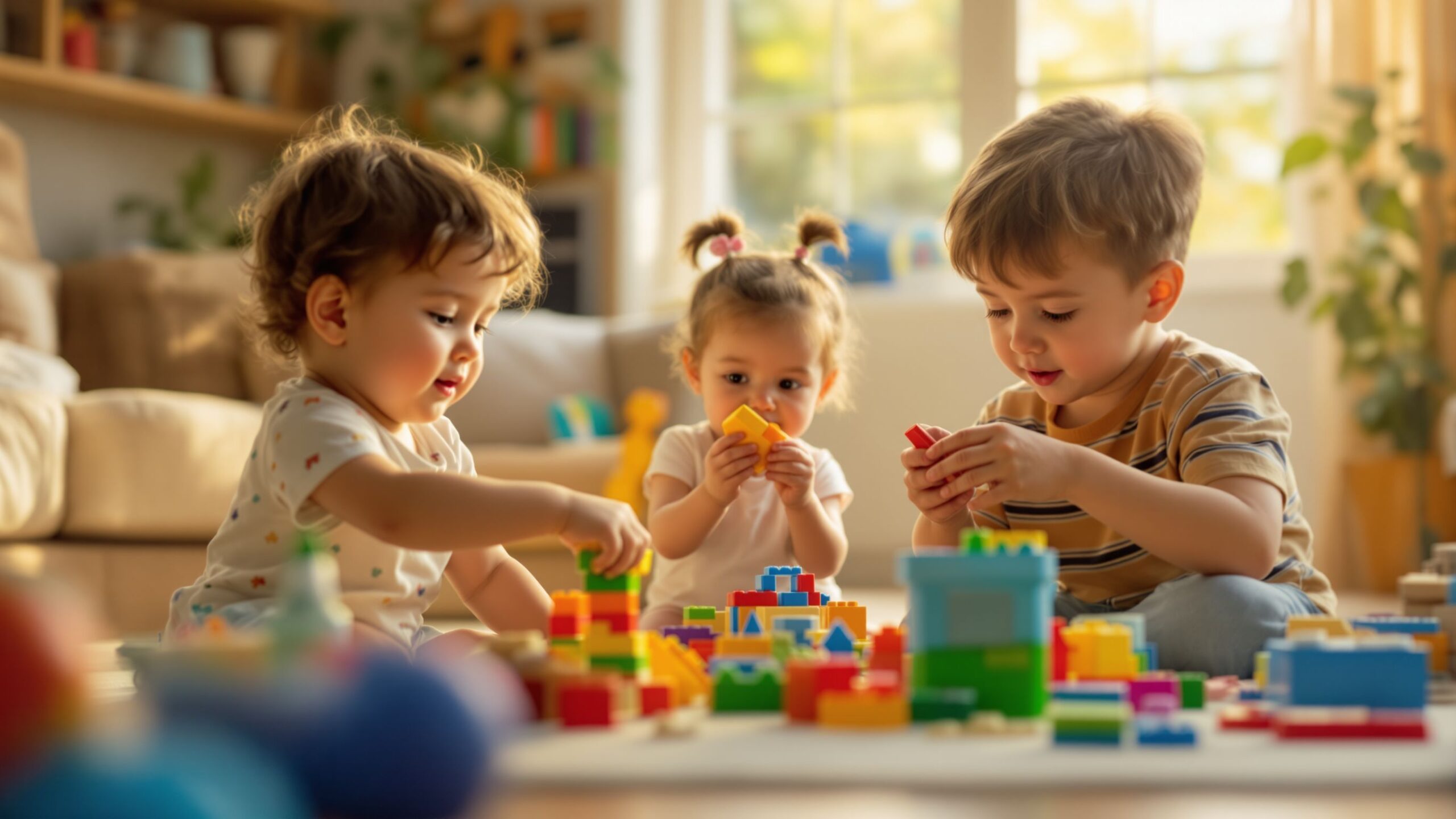
For children who love to build and create structures, a builder’s workshop is an ideal play world. This environment focuses on construction, design, and problem-solving. Blocks, building kits, and recycled materials become the foundation for imaginative projects. Children can construct anything from simple towers to complex cities, experimenting with different designs and techniques.
The builder’s workshop supports STEM learning in a hands-on and engaging way. Children explore concepts such as balance, stability, and spatial relationships. They learn through trial and error, developing persistence and critical thinking skills. Each project becomes an opportunity to test ideas and refine their approach.
This type of play also encourages collaboration. Children often work together to build larger structures, sharing ideas and solving challenges as a team. The sense of accomplishment that comes from completing a project boosts confidence and motivates further exploration.
The Storytelling Theater: Bringing Imagination to Life
A storytelling theater is a play world where narratives take center stage. This environment includes elements such as costumes, props, and a designated performance area. Children create characters, develop plots, and act out their stories, turning their imagination into a dynamic experience.
Storytelling play enhances language skills, creativity, and emotional expression. Children learn how to structure narratives, develop characters, and convey ideas through dialogue and action. Performing in front of others builds confidence and communication skills, while collaborative storytelling fosters teamwork and creativity.
The storytelling theater can also incorporate elements from other play worlds. For example, children might perform a play set in an adventure zone or create costumes in the creative studio. This interconnected approach enriches the play experience and encourages deeper engagement.
Designing Play Worlds That Grow with Your Child
One of the most important aspects of creative play worlds is their ability to evolve over time. As children grow and their interests change, their play environments should adapt accordingly. A simple setup for a toddler might become a more complex and detailed play world for an older child. This flexibility ensures that the play space remains relevant and engaging.
Involving children in the design process is key. Allow them to choose themes, suggest ideas, and participate in building their play world. This not only increases their engagement but also fosters a sense of ownership and creativity. Regularly updating the environment with new materials or themes can keep the play experience fresh and exciting.
Balancing Guidance and Freedom in Play
While creative play worlds are designed to encourage independence, adult guidance can still play an important role. The key is to strike a balance between providing support and allowing children to lead. Observing how children interact with their play environment can offer valuable insights into their interests and needs.
Adults can enhance play by introducing new ideas, asking open-ended questions, or adding elements that extend the narrative. However, it is important to avoid taking control or directing the play too heavily. The goal is to support creativity, not limit it.
The Lasting Impact of Creative Play Worlds
The benefits of creative play worlds extend far beyond childhood. The skills developed through imaginative play—creativity, problem-solving, communication, and resilience—are essential for success in all areas of life. Children who engage in rich, imaginative play are more likely to become innovative thinkers and confident individuals.
These play experiences also create lasting memories that shape a child’s perspective on learning and exploration. The sense of wonder and possibility that comes from imaginative play can inspire a lifelong love of discovery. By investing in creative play worlds, parents and caregivers provide children with a foundation for growth, learning, and endless imagination.
In the end, the best creative play worlds are not defined by their complexity or cost but by the opportunities they provide for children to explore, create, and dream. With thoughtful design and a focus on open-ended play, these spaces can transform everyday environments into extraordinary worlds of imagination and learning.