Imagination is one of the most powerful tools a child possesses. It shapes how they understand the world, solve problems, express emotions, and build confidence. In a time when screens often dominate attention, creative play worlds offer something profoundly different: open-ended, immersive environments where children become storytellers, explorers, builders, and dreamers. These imaginative play spaces are not just about fun—they are essential for cognitive, emotional, and social development. Whether it’s a cardboard castle in the living room, a backyard jungle adventure, or a themed playroom filled with possibilities, creative play worlds transform ordinary spaces into extraordinary experiences.
At their core, imaginative play spaces allow children to step into roles beyond themselves. They can be astronauts navigating distant galaxies, chefs running bustling kitchens, or heroes saving the day. These worlds evolve constantly, shaped by the child’s interests, experiences, and creativity. Unlike structured toys with fixed outcomes, creative play environments invite children to invent their own rules, narratives, and challenges, fostering independence and innovation. As parents and caregivers, understanding how to design and nurture these spaces can unlock a child’s full imaginative potential.
A: A flexible setup with open-ended materials, room to move, and props children can easily use themselves.
A: Not always; themes help spark ideas, but many kids prefer mixing worlds and inventing their own stories.
A: No; blankets, boxes, baskets, dress-up items, and art supplies can create amazing play spaces.
A: Use simple zones, labeled bins, and easy-reset storage so children can help clean up after play.
A: Rotate props, change the theme, add a challenge, or introduce one new object that shifts the story.
A: Yes; a reading nook, closet corner, or section of a bedroom can become a wonderful play world.
A: Create shared missions like running a shop, building a camp, or caring for pretend animals together.
A: It begins early and keeps growing, changing from simple pretend actions into richer stories over time.
A: Light support helps, but children usually create the best ideas when they can lead the story themselves.
A: Pick one cozy corner, add a theme, place a few open-ended props there, and let the world grow from play.
The Power of Imaginative Play in Childhood Development
Imaginative play is far more than entertainment. It is a foundational element of childhood development that supports a wide range of skills. When children engage in pretend scenarios, they practice language development, storytelling, and communication. They learn to negotiate roles, express ideas, and collaborate with others, building social intelligence in the process. Even solo play strengthens internal dialogue and self-awareness.
Emotionally, creative play worlds provide a safe space for children to process feelings. A child might reenact a doctor’s visit, a school day, or a family interaction, working through fears or uncertainties in a controlled environment. This type of play allows them to experiment with outcomes and develop resilience. Cognitive benefits are equally significant. Problem-solving, critical thinking, and creativity flourish when children are given the freedom to explore without rigid instructions.
Physical development also plays a role. Many imaginative play setups encourage movement, coordination, and fine motor skills. Building forts, arranging props, and navigating play structures all contribute to physical growth. Ultimately, imaginative play worlds serve as holistic environments where multiple developmental areas intersect seamlessly.
Designing the Perfect Creative Play World at Home
Creating a play world does not require expensive toys or elaborate setups. In fact, the most effective imaginative spaces often rely on simplicity and flexibility. The key is to design an environment that invites creativity rather than dictates it. Start by identifying a dedicated space, whether it’s a corner of a room, a section of the backyard, or even a portable setup that can be assembled and taken down easily.
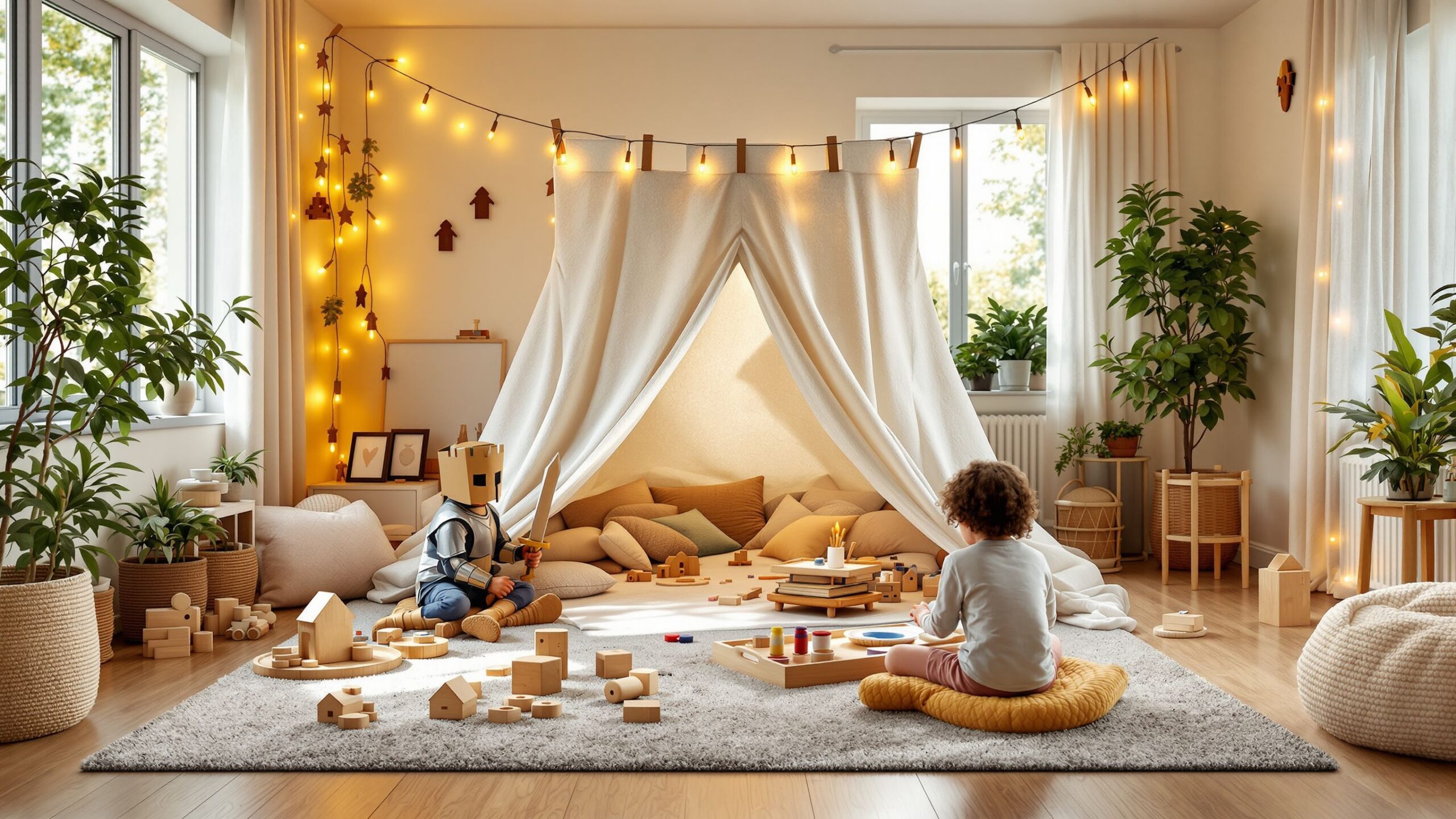
The foundation of any play world is versatility. Use materials that can transform into multiple roles. Blankets can become tents, capes, or rivers. Cardboard boxes can be castles, spaceships, or storefronts. Open-ended toys such as blocks, figurines, and art supplies allow children to shape the environment according to their imagination. Storage solutions should be accessible so children can independently choose and organize their play elements.
Lighting and ambiance also play a subtle but powerful role. Soft lighting, string lights, or themed decorations can enhance the atmosphere without overwhelming the space. The goal is to create a sense of immersion while still leaving room for interpretation. Avoid overly detailed setups that limit creativity. Instead, provide just enough structure to spark ideas and let the child fill in the rest.
Themed Play Worlds That Inspire Endless Adventures
One of the most exciting aspects of creative play spaces is the ability to build themed worlds. Themes provide a starting point for storytelling and exploration, helping children dive deeper into imaginative scenarios. A jungle adventure might include green fabrics, stuffed animals, and climbing elements, encouraging exploration and discovery. A space-themed setup could feature glow-in-the-dark stars, cardboard rockets, and mission control panels, inviting children to embark on interstellar journeys.
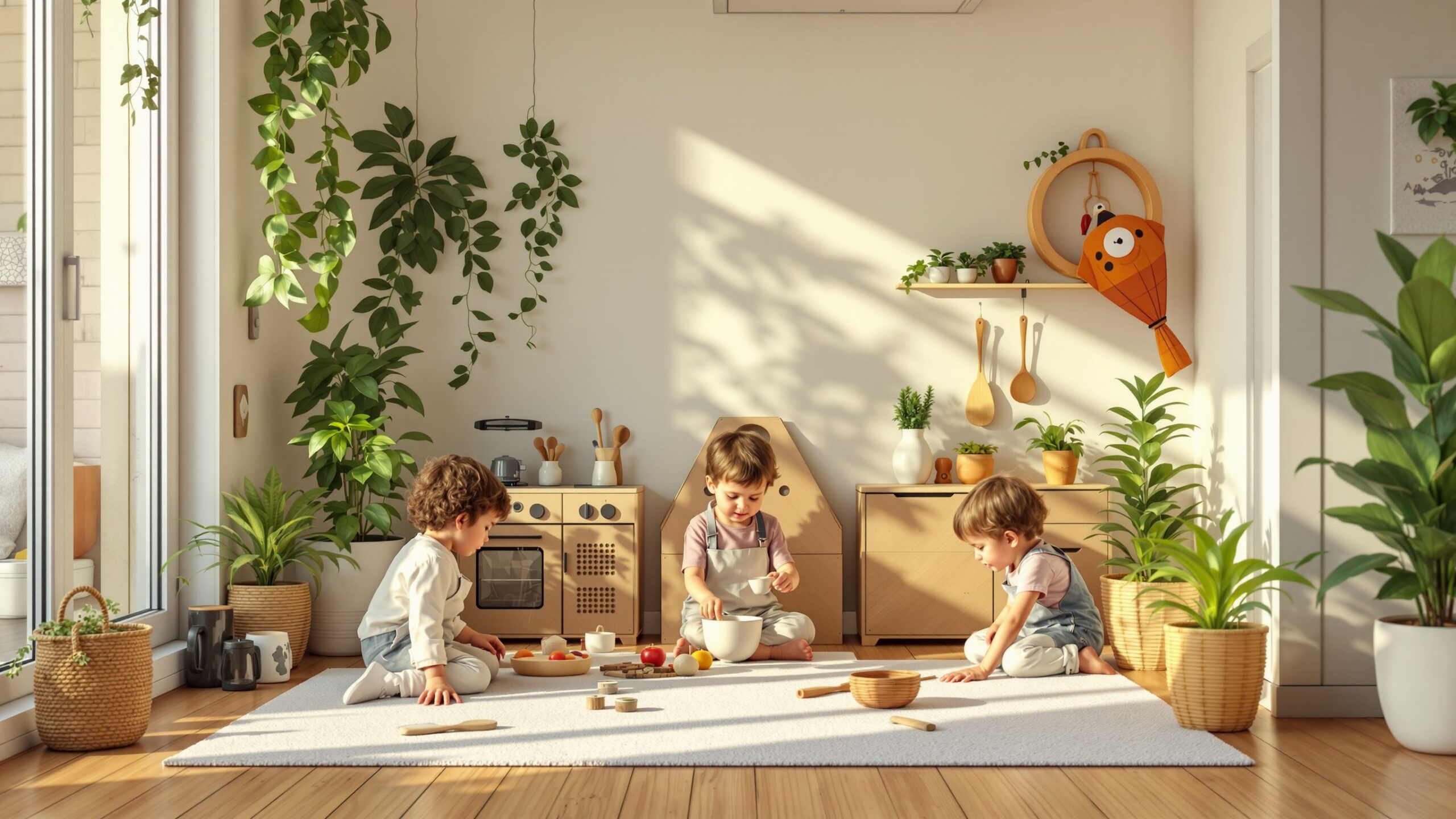
Other popular themes include kitchens and markets, construction zones, fairy tale kingdoms, and rescue stations. Each theme introduces different types of play and learning opportunities. For example, a pretend kitchen encourages role-playing, sequencing, and social interaction, while a construction zone emphasizes problem-solving and spatial awareness. Rotating themes periodically keeps the play experience fresh and exciting, preventing boredom and encouraging continuous creativity.
It is important to involve children in the creation of these worlds. Ask for their input, let them choose themes, and encourage them to help build and decorate the space. This not only increases their engagement but also fosters a sense of ownership and pride in their environment.
Indoor Play Spaces: Turning Everyday Rooms into Magical Worlds
Indoor spaces offer a controlled environment where creative play can flourish regardless of weather or time of day. Living rooms, bedrooms, and even hallways can be transformed into imaginative landscapes with a little creativity. Fort-building is a classic example that never loses its appeal. Using furniture, blankets, and pillows, children can create cozy hideaways that serve as castles, caves, or secret headquarters.
Play tents and modular play furniture can also enhance indoor play worlds. These items provide structure while still allowing flexibility. Incorporating art stations within the play area encourages children to draw, craft, and design elements of their world. A simple table with paper, markers, and craft supplies can become a hub for creativity.
Sound can add another layer of immersion. Background music or sound effects related to the theme can make the experience more engaging. For example, ocean sounds can enhance a beach-themed play space, while gentle forest noises can complement a woodland adventure. The goal is to create a multi-sensory experience that draws children deeper into their imaginative world.
Outdoor Play Worlds: Expanding Imagination into Nature
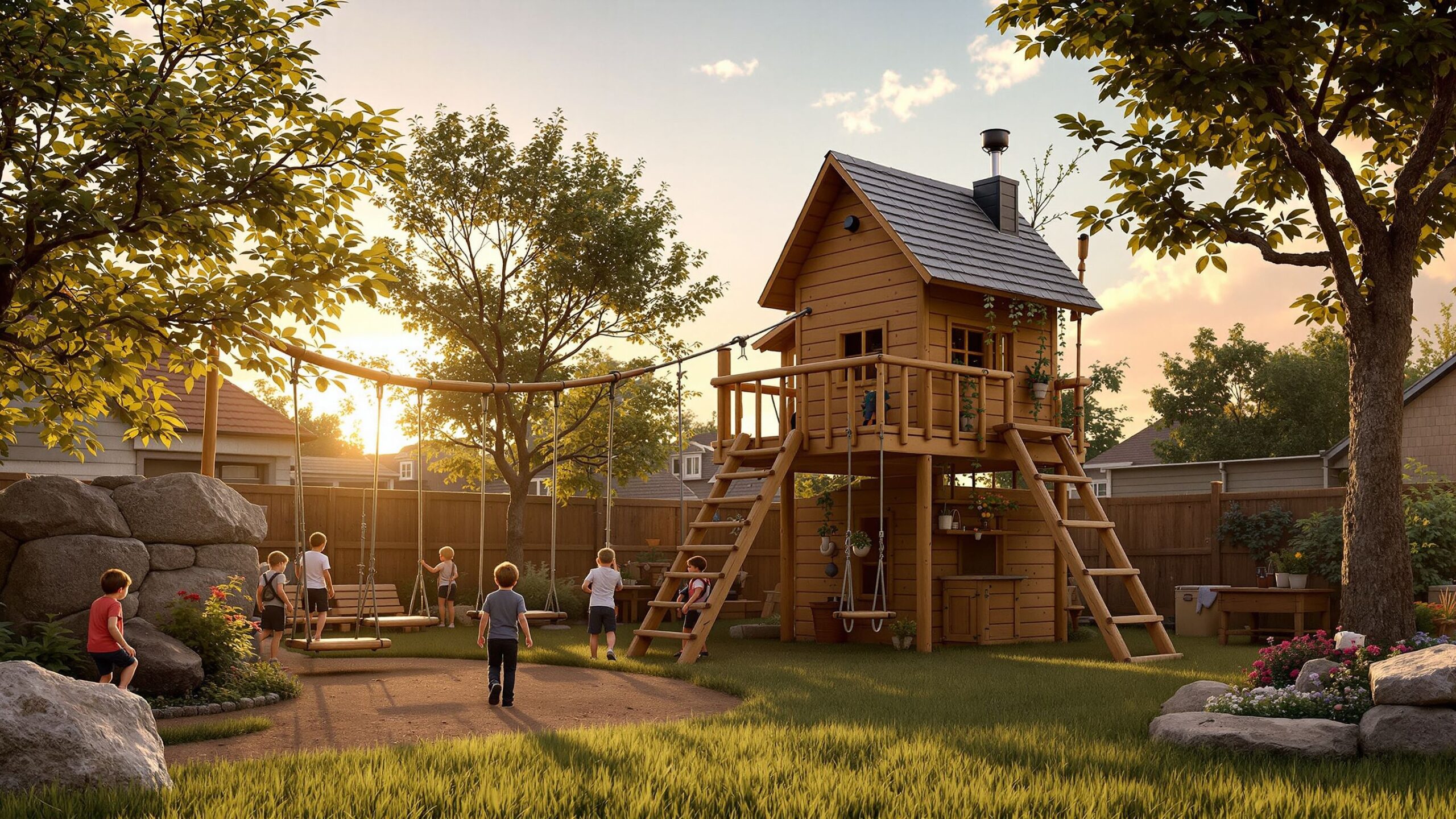
Outdoor environments offer unique opportunities for imaginative play that cannot be replicated indoors. Nature itself becomes part of the play world, providing textures, sounds, and elements that stimulate creativity. A backyard can transform into a pirate island, a dinosaur habitat, or an enchanted forest with minimal setup.
Natural materials such as sticks, rocks, sand, and water can be incorporated into play scenarios. These elements encourage sensory exploration and creativity. Building structures like mud kitchens, obstacle courses, or small forts can enhance outdoor play spaces. Gardening areas can also become part of imaginative play, where children pretend to run farms or magical gardens.
Outdoor play worlds often encourage more physical activity, which is beneficial for overall health. Running, climbing, and exploring become part of the narrative, blending physical and imaginative play seamlessly. Additionally, exposure to nature has been shown to reduce stress and improve mood, making outdoor play an essential component of a balanced play experience.
Encouraging Independent and Collaborative Play
Creative play worlds are valuable for both independent and collaborative play. When children play alone, they develop self-reliance, concentration, and internal storytelling skills. They learn to entertain themselves and explore ideas without external input. Providing a well-designed play space encourages longer periods of independent play, giving children the freedom to dive deeply into their imagination.
Collaborative play, on the other hand, introduces social dynamics. Children learn to share ideas, negotiate roles, and resolve conflicts. Group play often leads to more complex narratives and richer experiences. To support both types of play, ensure that the play environment includes enough resources and space for multiple participants while still allowing areas for quiet, individual exploration.
Adults can play a supportive role without dominating the experience. Observing and occasionally participating can enhance the play without taking control. Asking open-ended questions or introducing new elements can help extend the narrative while still allowing children to lead.
The Role of Props and Materials in Creative Play
Props and materials are the building blocks of imaginative play worlds. However, the focus should be on open-ended items rather than highly specialized toys. Objects that can serve multiple purposes encourage creativity and adaptability. Simple costumes, hats, and accessories can transform children into different characters instantly.
Recycled materials are particularly valuable in creative play. Cardboard, fabric scraps, and household items can be repurposed into unique play elements. This not only fosters creativity but also teaches resourcefulness and sustainability. Art supplies such as paint, glue, and markers allow children to customize their play world, adding personal touches that make the experience more meaningful.
Rotating materials periodically can keep the play environment fresh and engaging. Introducing new items or reintroducing old ones in different contexts can spark new ideas and narratives. The key is to maintain a balance between variety and simplicity, ensuring that the space remains inviting rather than overwhelming.
Balancing Structure and Freedom in Play Spaces
One of the most important aspects of designing creative play worlds is finding the right balance between structure and freedom. Too much structure can limit creativity, while too little can lead to confusion or lack of engagement. Providing a loose framework, such as a theme or a few key elements, gives children a starting point without restricting their imagination.
Rules should be minimal and focused on safety rather than control. Allow children to experiment, make mistakes, and explore different possibilities. This freedom encourages innovation and confidence. At the same time, maintaining a tidy and organized space helps children navigate their environment more easily and reduces frustration.
Flexibility is essential. Play worlds should evolve over time, adapting to the child’s interests and developmental stage. What captivates a toddler may not appeal to an older child, so be prepared to modify the space accordingly. Regularly observing how children interact with the environment can provide valuable insights for adjustments.
Integrating Learning into Imaginative Play
Creative play worlds naturally incorporate learning opportunities across various domains. Language skills are developed through storytelling and dialogue. Math concepts emerge through counting, measuring, and organizing. Science principles can be explored through experimentation and observation within the play environment.
For example, a pretend store can introduce concepts such as money, pricing, and transactions. A construction-themed play world can involve planning, building, and problem-solving. A nature-based setup can encourage exploration of plants, animals, and ecosystems. These learning experiences are often more impactful than traditional instruction because they are driven by the child’s curiosity and engagement.
Parents and educators can enhance these opportunities by subtly introducing new ideas or challenges. However, it is important to avoid turning play into a structured lesson. The focus should remain on exploration and enjoyment, with learning emerging organically.
Adapting Play Worlds for Different Ages and Interests
Creative play worlds should be tailored to the child’s age, abilities, and interests. Younger children benefit from simple setups with clear themes and accessible materials. As children grow, their play becomes more complex and detailed, requiring more sophisticated elements and challenges.
For toddlers, sensory experiences and basic role-playing are key. Soft materials, simple props, and safe environments are essential. Preschoolers often enjoy themed play worlds with recognizable scenarios, such as kitchens, shops, or adventure settings. School-age children may prefer more elaborate narratives, building projects, and collaborative play experiences.
Interests also play a significant role. A child fascinated by animals may enjoy a wildlife-themed play world, while another interested in technology might prefer a futuristic setup. Paying attention to these preferences ensures that the play environment remains engaging and relevant.
Creating Lasting Memories Through Play
Beyond development and learning, creative play worlds create lasting memories that shape childhood experiences. The forts built on rainy afternoons, the imaginary kingdoms ruled with friends, and the adventures dreamed up in backyard spaces become cherished moments that children carry with them into adulthood.
These memories are not just about the activities themselves but also about the sense of freedom, creativity, and joy they represent. By providing opportunities for imaginative play, parents and caregivers contribute to a child’s sense of wonder and possibility. These experiences lay the foundation for lifelong creativity and curiosity.
The Future of Play: Keeping Imagination Alive
As technology continues to evolve, the importance of imaginative play becomes even more significant. While digital tools can offer valuable experiences, they should complement rather than replace creative play worlds. Balancing screen time with open-ended play ensures that children develop a well-rounded set of skills.
Encouraging imaginative play in a modern context may involve integrating technology in thoughtful ways, such as using digital tools to enhance storytelling or design elements. However, the core of creative play should remain rooted in physical interaction, exploration, and imagination.
Ultimately, creative play worlds are about more than just play. They are about empowering children to think creatively, express themselves, and explore the world in meaningful ways. By investing time and effort into creating these spaces, we provide children with the tools they need to grow, learn, and thrive.