Every child experiences imaginative play differently depending on their age, development, and interests. What captivates a toddler may not engage a school-age child, and what challenges an older child may overwhelm a younger one. That’s why designing creative play worlds with age in mind is essential. When play environments are aligned with a child’s developmental stage, they become more engaging, more meaningful, and far more effective in supporting growth.
Creative play worlds are not static—they evolve as children grow. By understanding what works best at each stage, parents and caregivers can create spaces that continuously inspire imagination, learning, and confidence. From simple sensory setups for toddlers to complex, story-driven environments for older kids, each stage offers unique opportunities for creative exploration.
A: Yes, adapting them keeps children engaged and challenged.
A: Simple, safe, and sensory-rich play setups.
A: Add roleplay props and themed environments.
A: More complex, story-driven, and collaborative play worlds.
A: Yes, with flexible materials and adaptable setups.
A: Rotate themes and introduce new challenges.
A: Absolutely, it supports development throughout childhood.
A: Offer ideas, but let them take ownership of the experience.
A: Keep the setup flexible and easy to adjust.
A: Matching the play world to the child’s stage and imagination.
Toddlers (Ages 1–3): Sensory Worlds and Simple Exploration
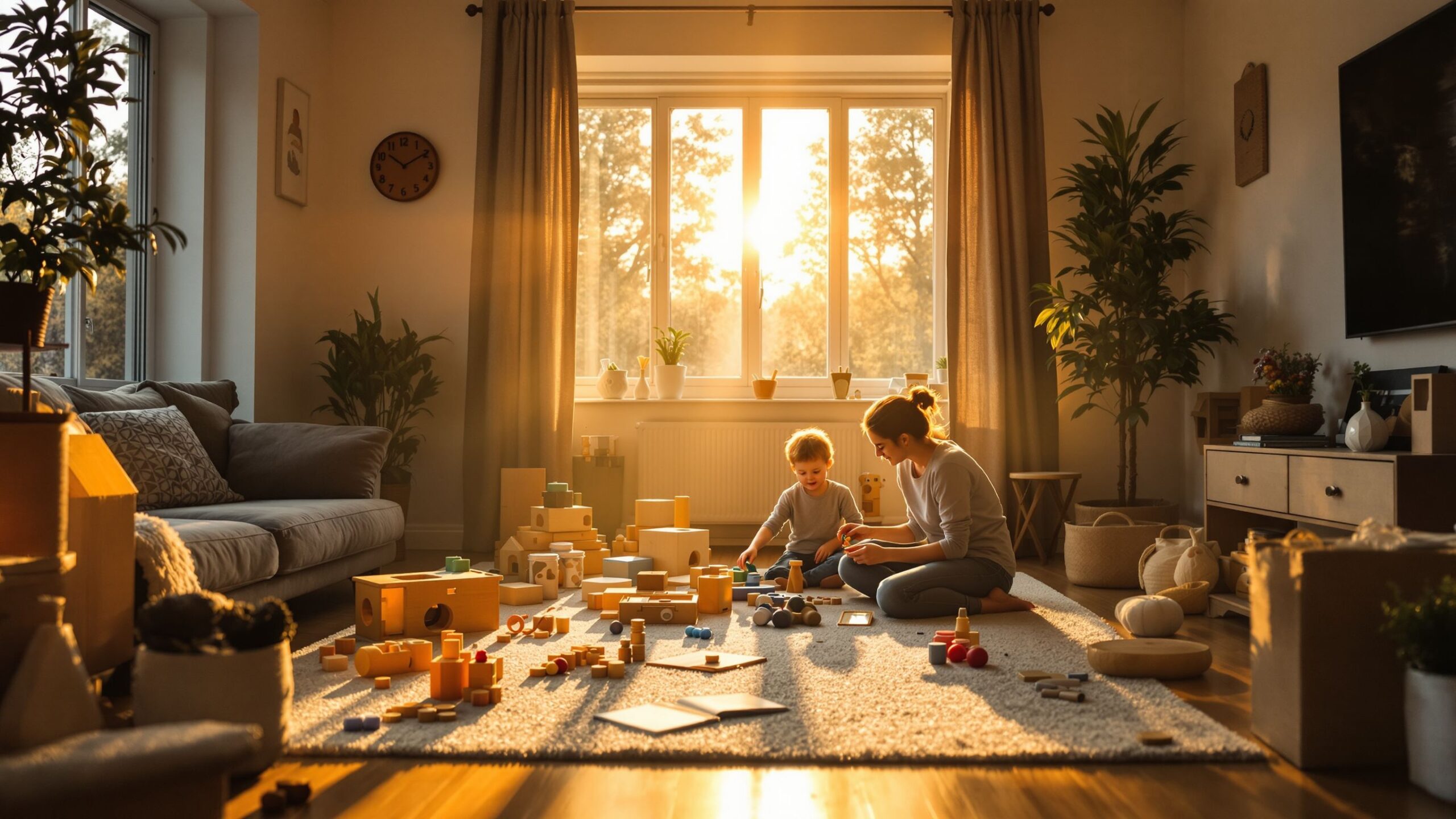
For toddlers, creative play worlds should focus on sensory experiences and simple interactions. At this stage, children are just beginning to explore their environment and understand cause and effect. Play spaces should be safe, accessible, and filled with soft textures, bright colors, and easy-to-manipulate objects.
A sensory play world might include soft mats, fabric tunnels, stacking toys, and basic shapes. Water play, sand play, and tactile materials can also be introduced in a controlled way. These environments encourage exploration and curiosity, allowing toddlers to engage with their surroundings through touch, movement, and sound.
Imagination at this stage is still developing, so play worlds should provide gentle prompts rather than complex scenarios. A simple setup, such as a cozy corner with plush toys and a few props, can inspire early forms of pretend play. The focus is on discovery and comfort, creating a foundation for more advanced imaginative play in the future.
Preschoolers (Ages 3–5): The Rise of Pretend Play
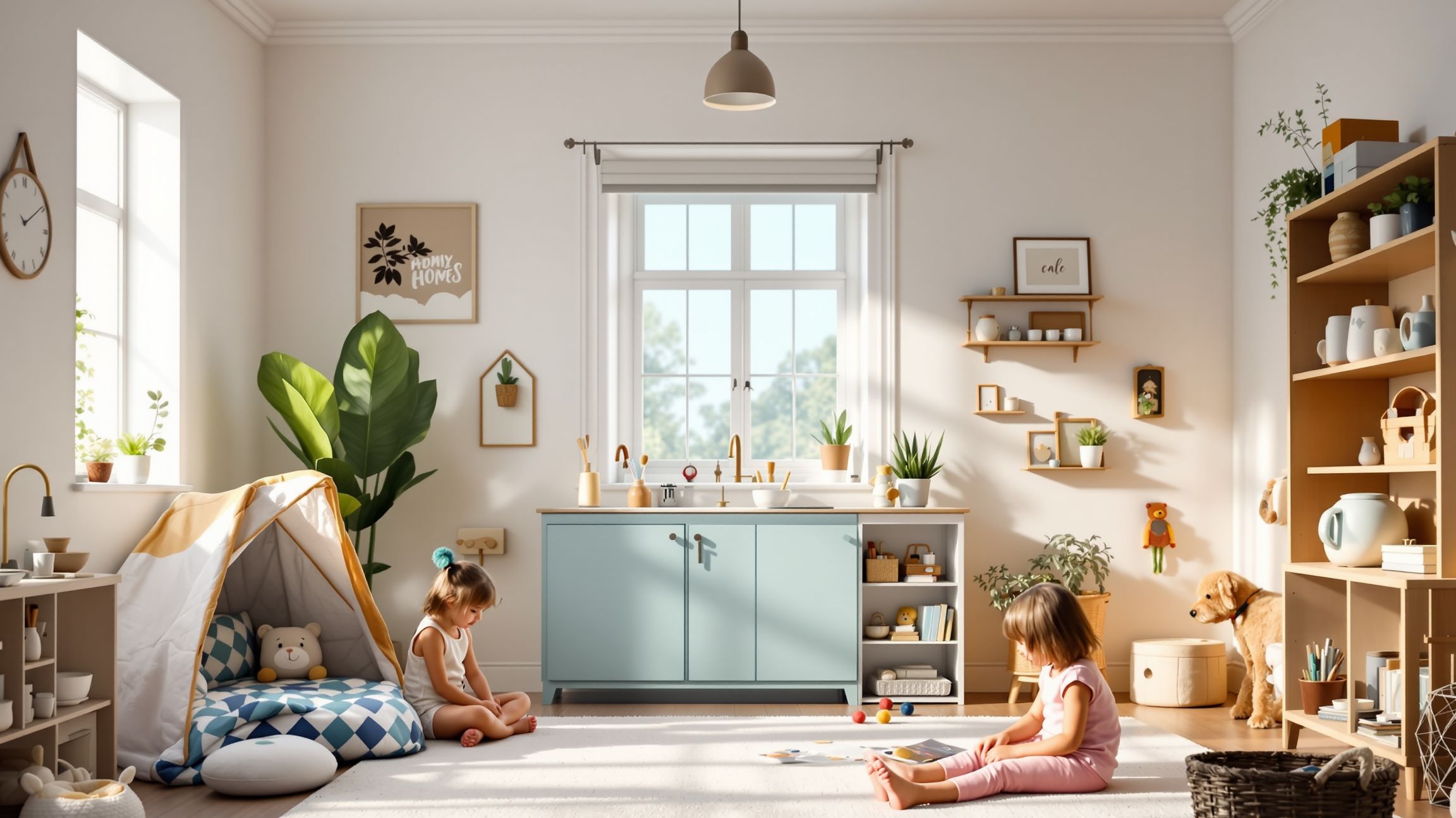
Preschoolers are natural storytellers. At this stage, imaginative play becomes more defined, and children begin to take on roles and create narratives. Creative play worlds for this age group should include recognizable themes that encourage role-play, such as kitchens, shops, or adventure settings.
A pretend kitchen or market allows children to mimic real-life experiences, while a simple costume area can transform them into characters such as doctors, explorers, or superheroes. These play worlds help develop language skills, social interaction, and emotional understanding.
Preschoolers also enjoy building and creating, so incorporating blocks, art supplies, and simple construction materials can enhance their play. The key is to provide enough structure to guide their imagination while still allowing flexibility. At this stage, play worlds should feel dynamic and interactive, encouraging children to explore different roles and scenarios.
Early School Age (Ages 6–8): Expanding Stories and Complex Play
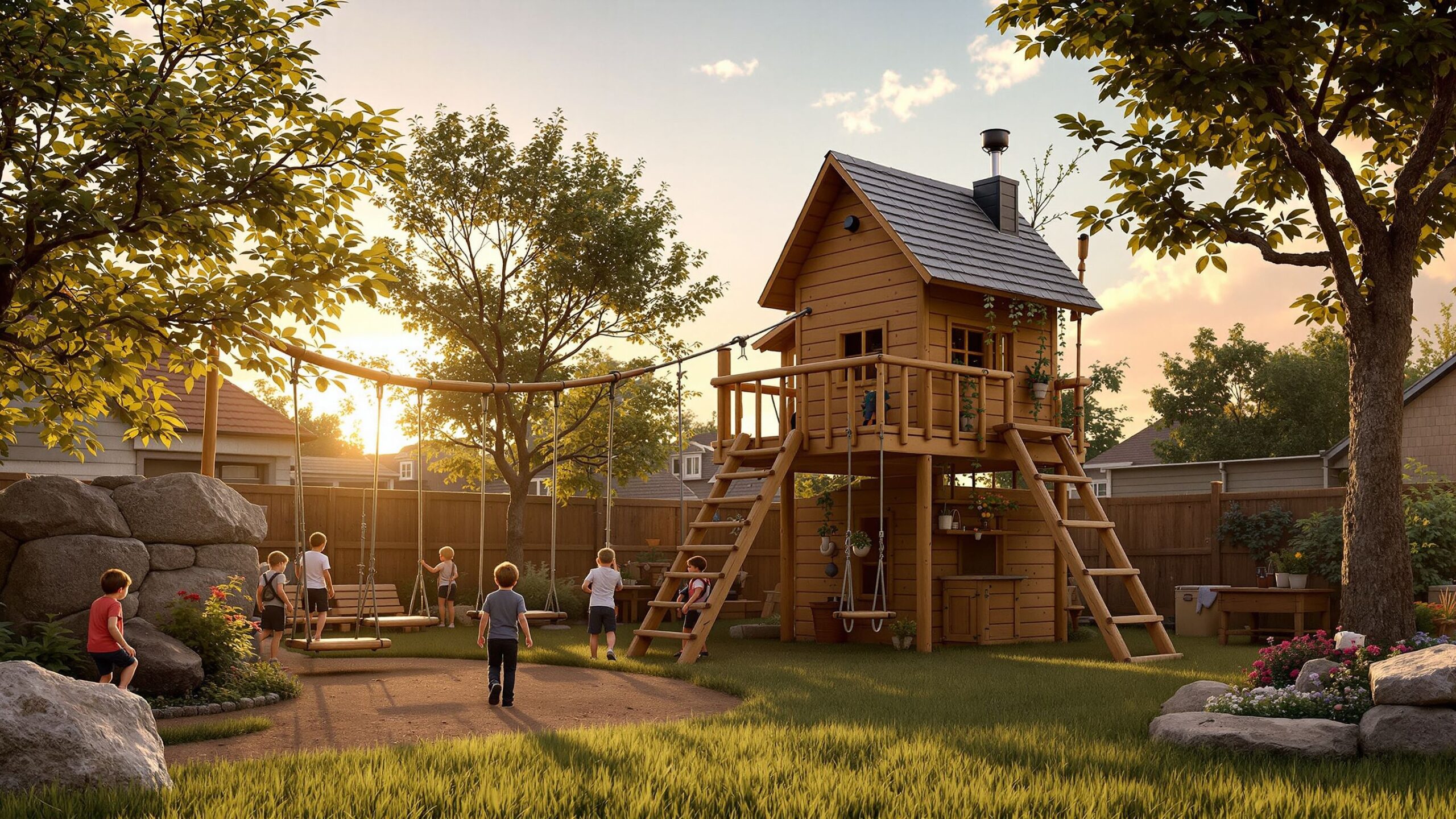
As children enter early school age, their imaginative play becomes more complex and detailed. They begin to create longer narratives, develop characters with distinct personalities, and explore more elaborate scenarios. Creative play worlds for this stage should support these growing abilities.
Adventure-themed environments, builder’s workshops, and storytelling theaters are particularly effective. Children can design their own worlds, build structures, and create intricate stories that unfold over time. This type of play encourages critical thinking, problem-solving, and creativity.
At this stage, collaboration becomes more important. Children enjoy playing with peers, sharing ideas, and working together to build and expand their play world. Providing enough space and materials for group play can enhance these experiences and support social development.
Older Kids (Ages 9–12): Innovation, Strategy, and Deep Imagination
Older children bring a new level of depth and sophistication to imaginative play. They are capable of creating highly detailed worlds, complex systems, and strategic scenarios. Creative play worlds for this age group should challenge their thinking and allow for greater independence.
This might include advanced building projects, role-playing games with rules and objectives, or themed environments that require planning and problem-solving. For example, a city-building play world can involve designing infrastructure, managing resources, and creating interconnected systems.
Technology can also be integrated thoughtfully at this stage. Digital tools can enhance storytelling or design elements, but the focus should remain on creativity and hands-on interaction. Older children benefit from play worlds that allow them to experiment, innovate, and express their ideas in meaningful ways.
Adapting Play Worlds for Mixed Age Groups
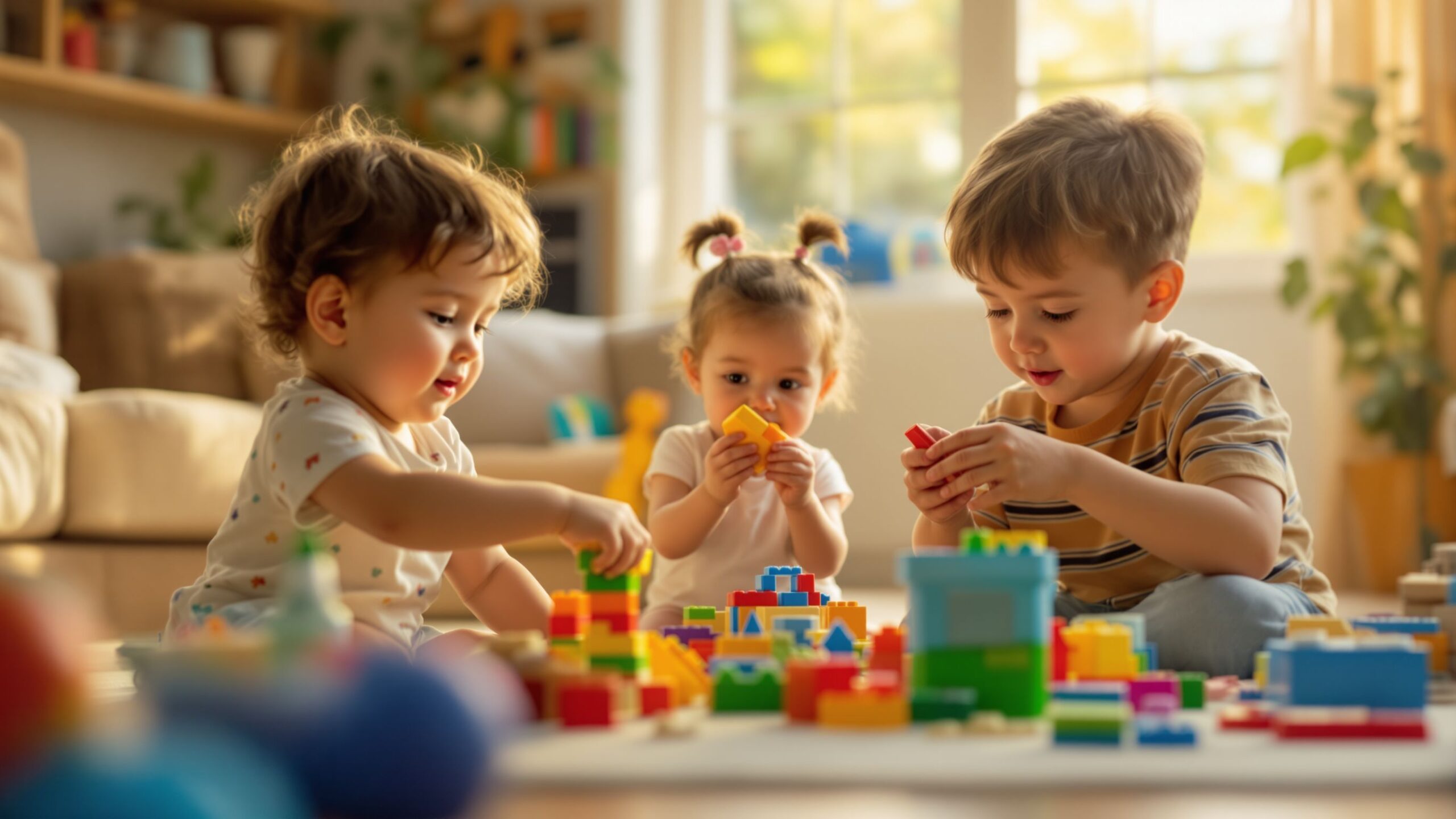
In many households, children of different ages share the same play space. Designing a play world that accommodates multiple age groups can be challenging but also rewarding. The key is to create layers within the environment, offering elements that appeal to different developmental stages.
For example, a play world might include a simple sensory area for younger children, a role-play corner for preschoolers, and a building zone for older kids. Shared themes can help unify the space while still allowing each child to engage at their own level. Encouraging collaboration between age groups can also enhance the play experience, as older children often take on leadership roles and younger children learn through observation.
The Importance of Flexibility and Growth
One of the most important aspects of creative play worlds is their ability to grow with the child. A static play environment can quickly become boring, but a flexible one can adapt to changing interests and abilities. Regularly updating the space, rotating materials, and introducing new themes can keep the play experience fresh and engaging.
Pay attention to how your child interacts with their play world. Are they losing interest in certain elements? Are they drawn to new activities? These observations can guide adjustments and improvements. A responsive play environment ensures that children remain engaged and inspired.
Supporting Development Through Age-Appropriate Play
When play worlds are aligned with a child’s developmental stage, they become powerful tools for growth. Toddlers develop sensory awareness and motor skills. Preschoolers build language and social abilities. School-age children enhance problem-solving and creativity. Older kids refine critical thinking and independence.
These benefits extend beyond play, influencing how children approach learning, relationships, and challenges in everyday life. By providing age-appropriate play environments, parents and caregivers can support their child’s development in a natural and enjoyable way.
Creating Meaningful Play Experiences at Every Stage
At its core, creative play is about more than just entertainment. It is about giving children the freedom to explore, create, and express themselves. By designing play worlds that align with each stage of development, parents can create meaningful experiences that support growth and imagination.
Each stage of childhood brings new opportunities for creativity. By embracing these changes and adapting play environments accordingly, you can ensure that your child’s imagination continues to thrive. In the end, the best creative play worlds are those that evolve alongside the child, providing endless possibilities for discovery and adventure.