Creating a creative play world at home is one of the most rewarding ways to support your child’s imagination, learning, and emotional development. You don’t need a large budget or a dedicated playroom to make it happen. With thoughtful planning, simple materials, and a focus on flexibility, any space can transform into an immersive environment where creativity thrives. This step-by-step guide will walk you through exactly how to design a play world that grows with your child and keeps them engaged for hours.
A: It can take as little as 10–20 minutes using simple materials.
A: No, everyday household items work perfectly.
A: Try a different theme or add a simple story prompt to spark interest.
A: Light guidance helps, but children should lead the experience.
A: Refresh it when interest fades or when your child’s interests shift.
A: Yes, and it often enhances creativity through collaboration.
A: It works for a wide range of ages, adapting in complexity over time.
A: Use bins and simple cleanup routines built into the play story.
A: A little structure helps, but flexibility is key.
A: Letting your child’s imagination take the lead.
Step 1: Choose the Right Space for Imaginative Play
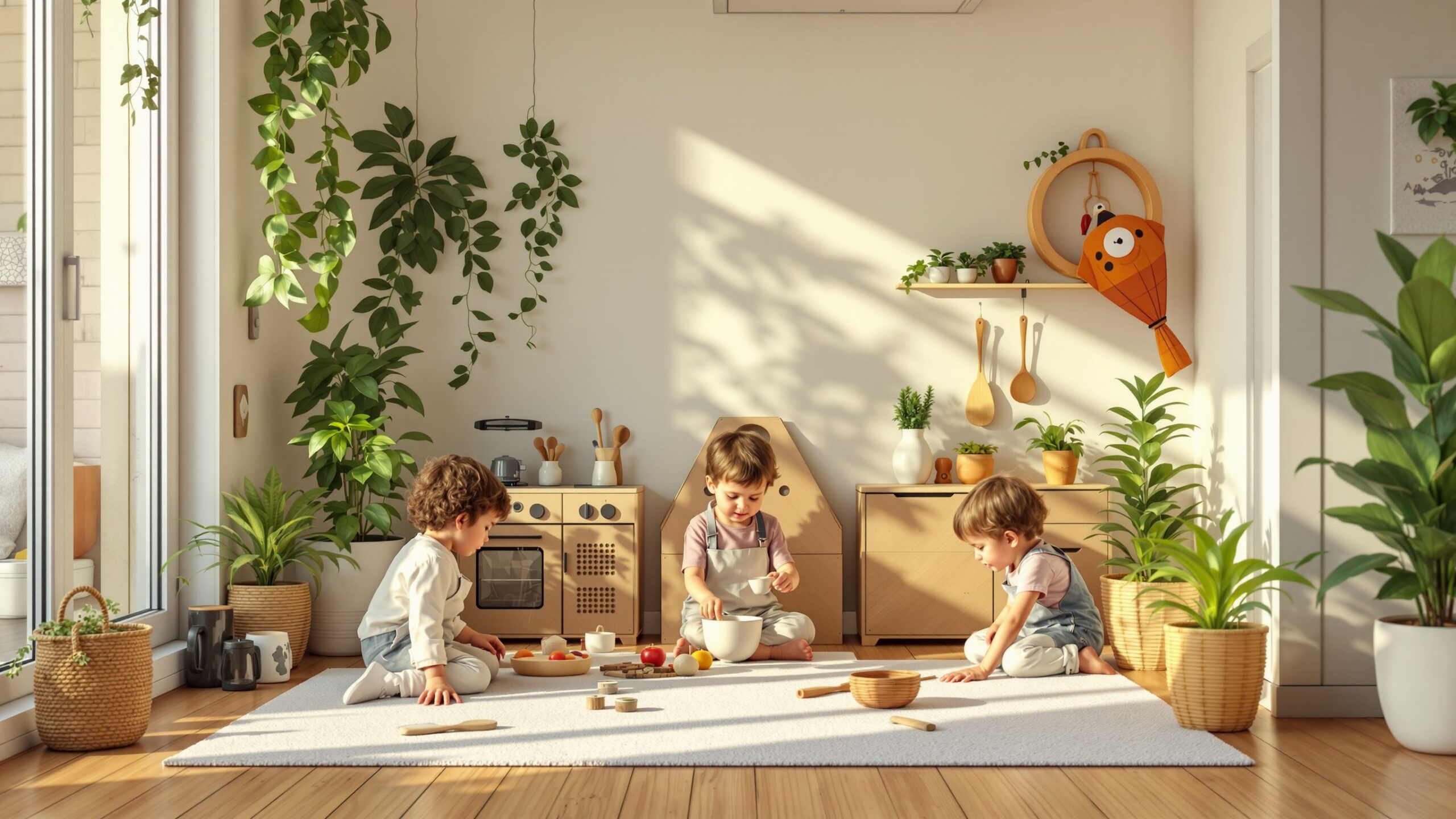
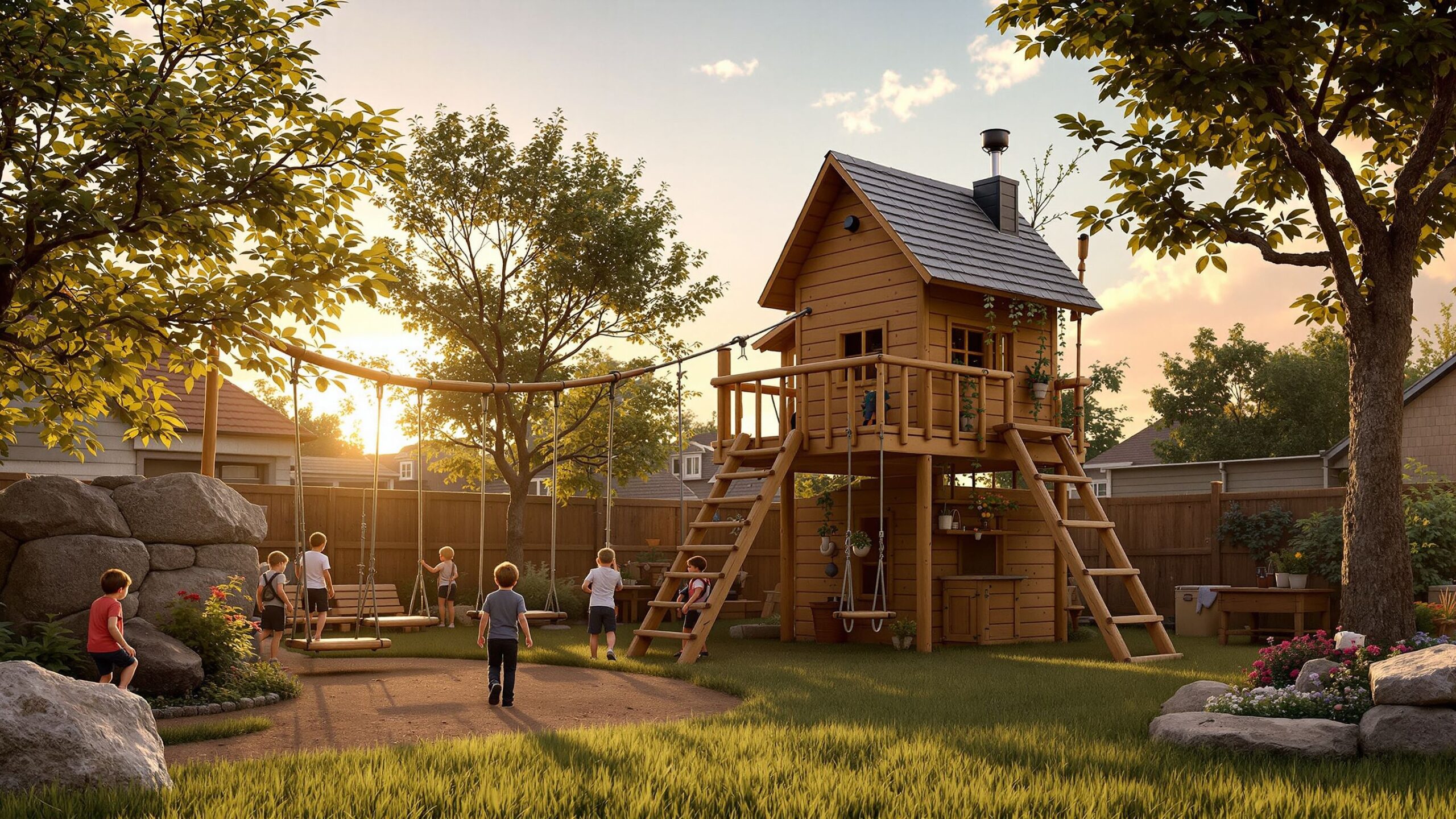
The first step in building a creative play world is identifying where it will live. This space does not need to be large, but it should feel inviting and accessible. A corner of the living room, a section of a bedroom, or even a small area in the backyard can work beautifully. The key is consistency. When children know they have a dedicated place for imaginative play, they are more likely to return to it and develop deeper, more meaningful play experiences.
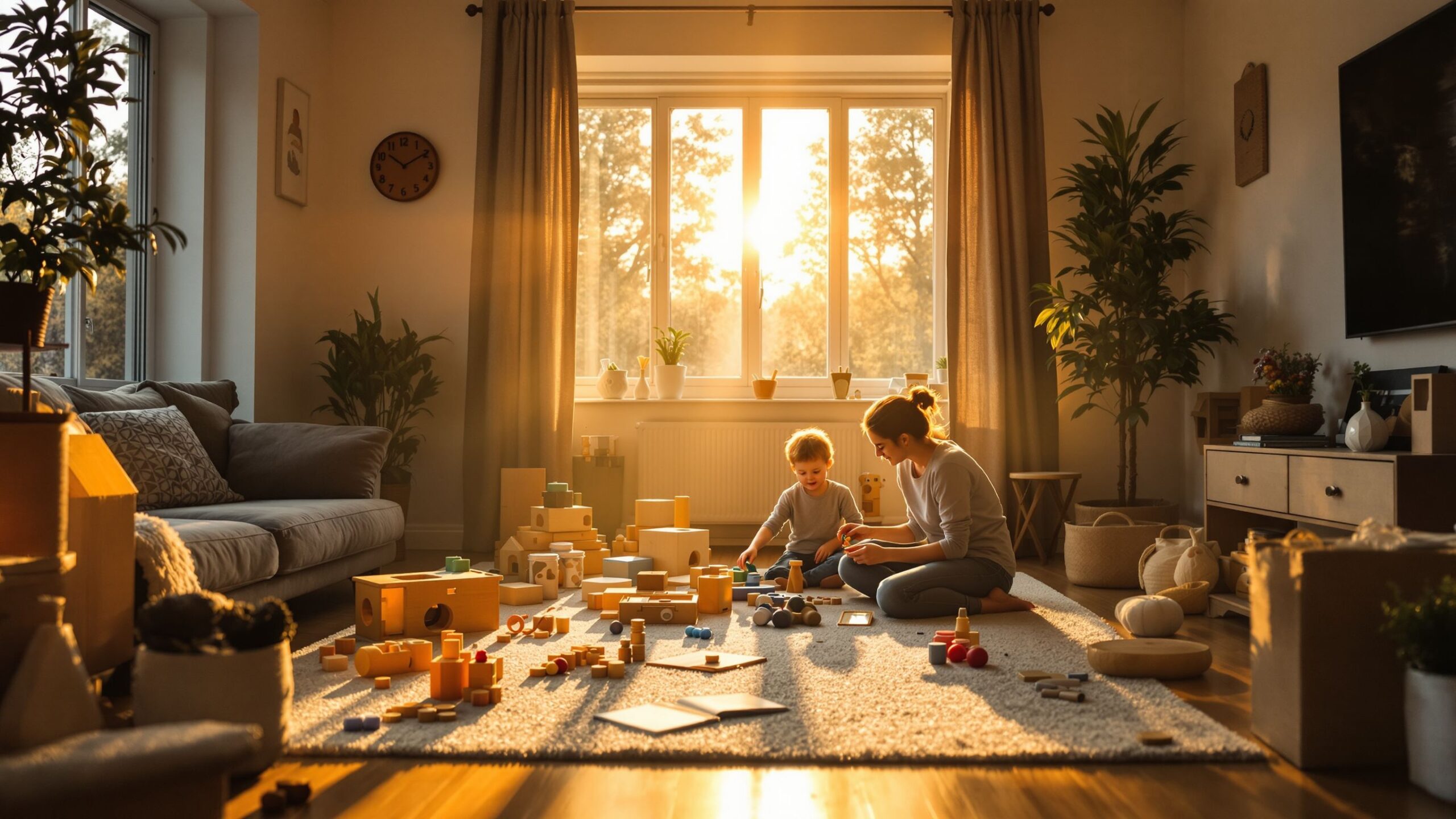
Think about lighting and comfort as well. Natural light can make the space feel open and energizing, while soft lighting can create a cozy and magical atmosphere. Make sure the area is safe, with enough room for movement and creativity. The goal is to create a space that feels like a world of its own, separate from everyday routines.
Step 2: Pick a Flexible and Inspiring Theme
Once you have your space, the next step is choosing a theme. A theme provides a starting point for imagination but should never limit it. The best themes are open-ended and adaptable. Popular options include adventure worlds, kitchens and markets, construction zones, space exploration, and magical kingdoms.
Instead of creating a highly detailed or fixed environment, focus on suggesting a theme through a few key elements. For example, a space theme might include glow-in-the-dark stars and a cardboard rocket, while a jungle theme could use green fabrics and stuffed animals. Let your child help choose the theme. Their excitement and involvement will make the play world more meaningful and engaging.
Step 3: Gather Open-Ended Materials and Props
The heart of any creative play world is the materials used within it. Open-ended items are essential because they can be used in multiple ways. Instead of toys with a single purpose, choose objects that invite creativity and transformation. Cardboard boxes, blankets, wooden blocks, and simple figurines are perfect examples.
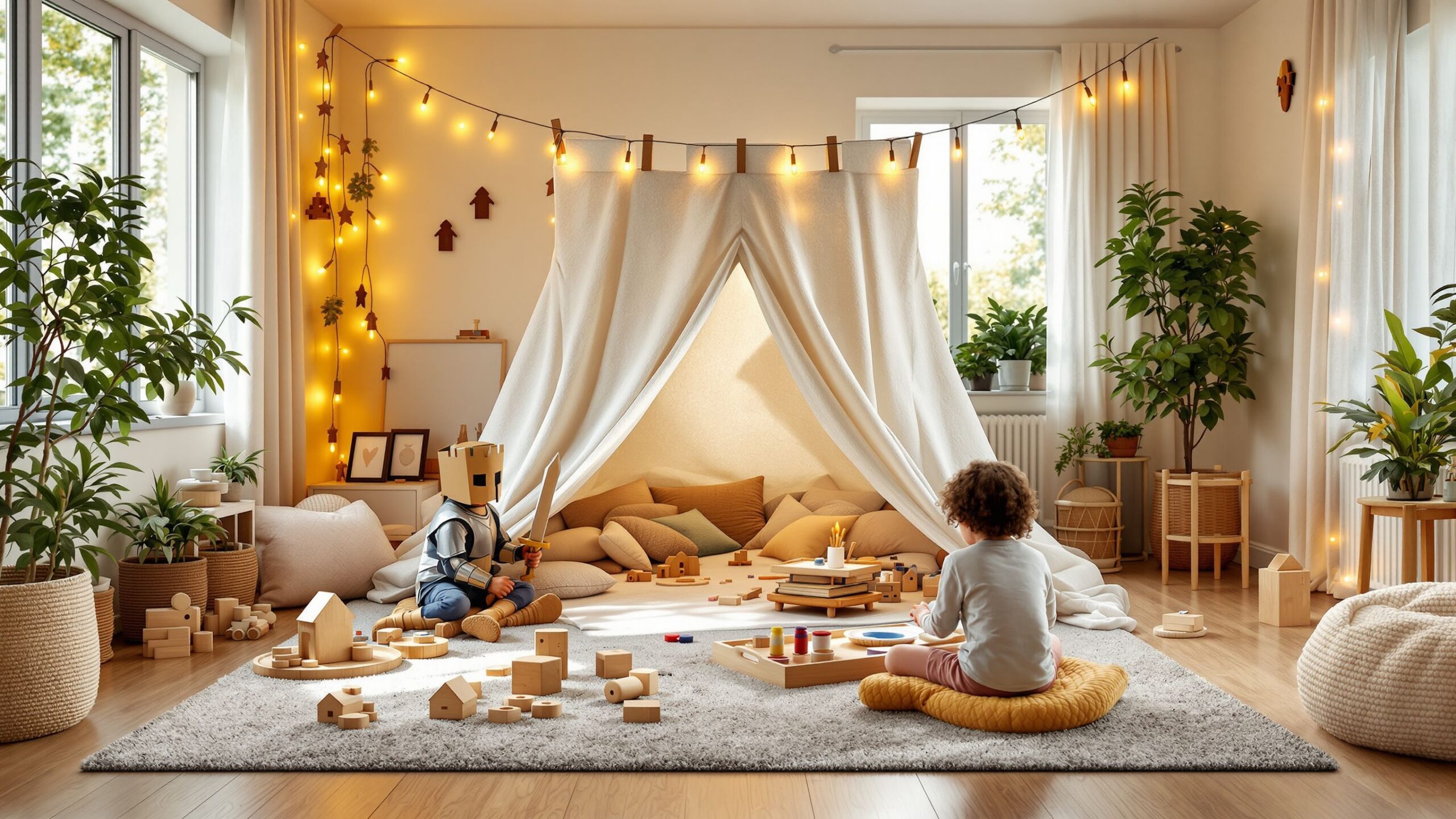
Costumes and accessories can instantly expand the possibilities of play. A cape can turn a child into a superhero, a scarf can become a river or a royal sash, and a simple hat can define a character. Art supplies such as markers, paper, and glue allow children to build and customize their world, adding layers of creativity and ownership.
Household items and recycled materials are especially valuable. They encourage resourcefulness and show children that imagination does not depend on expensive toys. The more flexible the materials, the more dynamic and engaging the play world becomes.
Step 4: Create Zones Within the Play World
Even a small play space can benefit from having different zones. These zones help organize the environment and provide variety in play. For example, you might have a building area with blocks, a storytelling corner with books and costumes, and a creative station with art supplies.
These zones do not need to be rigid or permanent. They can shift and evolve depending on the theme or the child’s interests. The idea is to provide multiple entry points into play, allowing children to move between activities and expand their imagination. A well-designed play world feels layered, with opportunities for both quiet, focused play and active, energetic exploration.
Step 5: Add Atmosphere and Sensory Elements
Atmosphere is what transforms a simple setup into an immersive experience. Small details can make a big difference in how a play world feels. Lighting, textures, and sounds all contribute to the environment. Soft rugs, cushions, and fabrics can make the space comfortable and inviting, while string lights or themed decorations can add a sense of magic.
Sound can also enhance the experience. Gentle background music or nature sounds can deepen immersion without being distracting. For example, ocean sounds can complement a beach-themed play world, while forest sounds can enhance a jungle adventure. These sensory elements help children feel like they are truly part of the world they have created.
Step 6: Encourage Storytelling and Role-Play
A creative play world comes to life through storytelling. Encourage your child to create characters, develop narratives, and explore different scenarios. You can support this by asking open-ended questions such as “What happens next?” or “Who lives here?” These prompts help extend the play without taking control of it.
Role-play is a powerful part of imaginative play. Children can act out real-life situations or create entirely new worlds. This type of play supports emotional development, communication skills, and problem-solving. Providing simple props and costumes can make it easier for children to step into different roles and fully engage in their stories.
Step 7: Rotate Materials to Keep Play Fresh
One of the easiest ways to keep a play world exciting is by rotating materials. You don’t need to constantly buy new items. Simply changing what is available or introducing old items in a new context can spark fresh ideas. A set of blocks might become part of a city one week and a castle the next.
Rotating materials prevents the space from feeling stagnant and encourages children to see familiar objects in new ways. It also helps maintain a sense of curiosity and discovery, which is essential for imaginative play. Keep some items stored away and bring them out periodically to refresh the environment.
Step 8: Balance Independence with Gentle Guidance
Creative play worlds are most effective when children feel a sense of ownership and independence. Allow your child to lead the play and make decisions about how the world evolves. This builds confidence and encourages creativity. However, gentle guidance can still play a role.
Observe how your child interacts with the space and offer suggestions when appropriate. You might introduce a new element, such as a “mystery object” or a new character, to extend the play. The key is to support rather than direct. Let the child’s imagination remain at the center of the experience.
Step 9: Adapt the Play World as Your Child Grows
As children grow, their play becomes more complex and detailed. A play world that works for a toddler may need to evolve to meet the needs of an older child. This might involve adding more challenging materials, introducing new themes, or expanding the space.
Pay attention to your child’s interests and adjust the play world accordingly. If they become interested in building, add more construction materials. If they enjoy storytelling, expand the role-play elements. A flexible play world ensures that the space remains engaging and relevant over time.
Step 10: Celebrate Creativity and Enjoy the Process
The final step is perhaps the most important: enjoy the process. Creative play worlds are not about perfection. They are about exploration, creativity, and connection. Celebrate your child’s ideas, no matter how simple or complex they may be. Encourage them to take pride in their creations and share their stories.
These moments of imaginative play create lasting memories and build a foundation for lifelong creativity. By investing time and attention into creating a play world at home, you are giving your child a space where they can grow, learn, and dream without limits.
In the end, the best creative play worlds are those that evolve naturally, guided by the child’s imagination and supported by thoughtful design. With these steps, you can create a space that inspires curiosity, fosters learning, and brings endless joy to your child’s everyday life.