Indoor creative play worlds offer something magical that goes beyond ordinary toys and activities. They transform everyday rooms into immersive environments where imagination thrives and boredom disappears. Whether it’s a rainy afternoon or a quiet evening at home, these play spaces provide children with endless opportunities to explore, create, and learn. By designing engaging indoor play worlds, parents and caregivers can turn any space into a dynamic hub of creativity that evolves with a child’s interests and energy.
Unlike structured toys that often lose their appeal, creative play worlds are constantly changing. A single setup can inspire countless stories and scenarios, keeping children engaged for hours. These environments encourage independent play while also supporting collaboration and social interaction. Most importantly, they nurture creativity, problem-solving, and emotional growth, making them an essential part of childhood development.
A: Rotate themes, add new props, and encourage kids to change the story regularly.
A: No, even a small corner can become an exciting play world.
A: Introduce a new challenge or role to spark fresh ideas.
A: Yes, they support creativity, language, and problem-solving skills.
A: Yes, and it often leads to richer and more dynamic storytelling.
A: Use bins and simple routines to reset the space after play.
A: Open-ended items like fabric, boxes, and craft supplies are ideal.
A: Offer light support but let children lead the experience.
A: When interest fades or when your child’s interests shift.
A: Flexibility, creativity, and the ability to evolve over time.
The Magic of Indoor Imaginative Play
Indoor play worlds provide a safe and controlled environment where children can fully immerse themselves in their imagination. Without the distractions of outdoor elements or digital screens, children can focus on building stories, experimenting with ideas, and exploring different roles. This type of play encourages deep engagement, often leading to longer and more meaningful play sessions.
Imaginative indoor play also allows children to revisit and reinterpret their experiences. They might recreate a trip to the store, imagine a new adventure, or invent an entirely different world. This process helps them understand their surroundings and develop a sense of control over their experiences. The comfort of being indoors adds an extra layer of security, allowing children to take creative risks and explore new ideas freely.
The Fort Kingdom: A Classic That Never Fails
Few play worlds capture a child’s imagination quite like a fort. Built from blankets, pillows, and furniture, a fort can become anything—a castle, a secret hideout, or a spaceship. The simplicity of this setup is what makes it so powerful. Children can redesign and rebuild their fort as often as they like, creating new experiences each time.
Inside the fort, the possibilities are endless. It can serve as a reading nook, a base for imaginative adventures, or a quiet retreat for storytelling. Adding small elements such as flashlights, soft lighting, or favorite toys can enhance the experience without limiting creativity. The fort kingdom is a timeless play world that continues to captivate children of all ages.
The Mini City: Building Worlds Within Walls
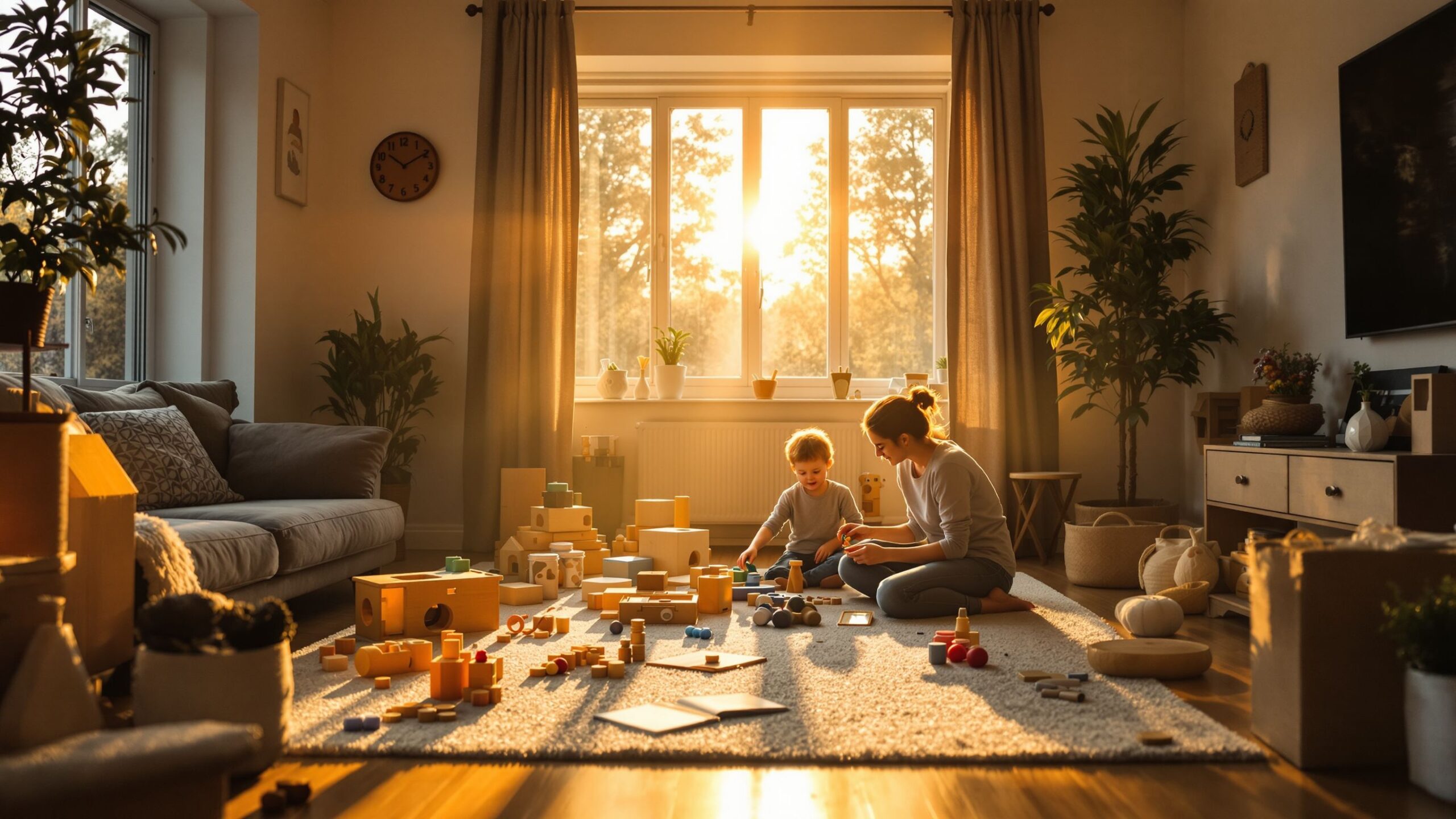
A mini city play world transforms a room into a bustling environment filled with activity and imagination. Using blocks, toy vehicles, and simple props, children can create streets, buildings, and entire communities. This type of play encourages planning, organization, and creativity as children design their city and decide how it functions.
In a mini city, children can take on various roles such as shop owners, construction workers, or delivery drivers. They create narratives that connect different parts of the city, making the play experience dynamic and engaging. This play world also introduces basic concepts of community and cooperation, helping children understand how different roles work together.
The Creative Studio: Endless Artistic Exploration
An indoor creative studio is a play world dedicated to making and creating. This space is filled with art supplies, craft materials, and tools that allow children to express their ideas visually. Unlike structured art activities, a creative studio encourages open-ended exploration, where children can experiment freely.
Children in this environment often combine art with storytelling. They might create props for a play scenario, design costumes, or build elements for another play world. This integration of creativity and imagination deepens their engagement and encourages more complex thinking. The creative studio is a place where ideas come to life and imagination takes shape.
The Role-Play Corner: Real-Life Adventures at Home
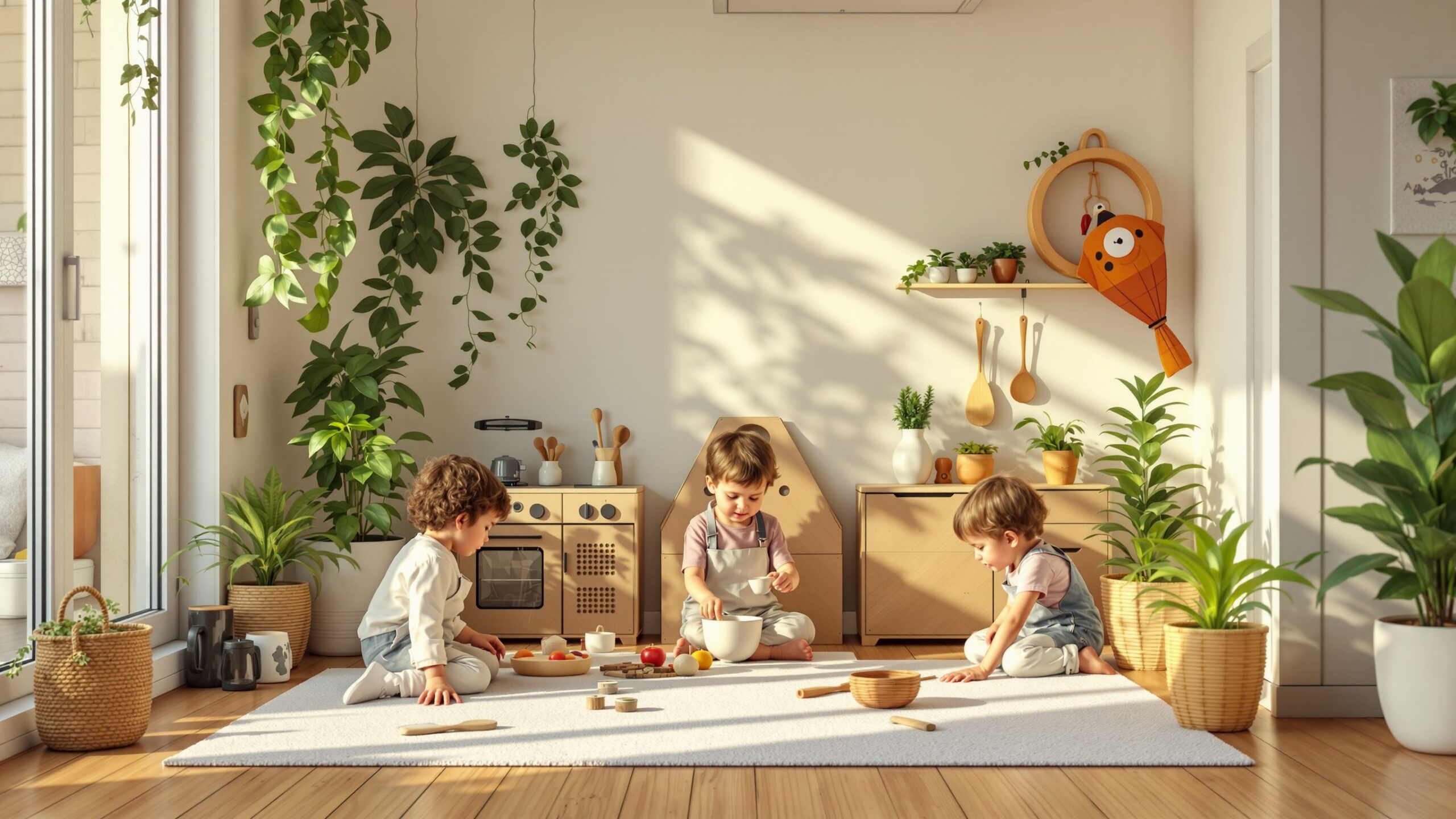
Role-play corners bring everyday experiences into the home in a playful and engaging way. A simple setup can become a kitchen, a grocery store, or a doctor’s office. These environments allow children to act out real-life scenarios, helping them develop social and practical skills.
In a role-play corner, children practice communication, problem-solving, and empathy. They learn how to interact with others, make decisions, and navigate different situations. This type of play is especially valuable for building confidence and understanding the world around them. By providing simple props and a flexible setup, parents can create a role-play world that evolves with the child’s interests.
The Adventure Zone: High-Energy Indoor Exploration
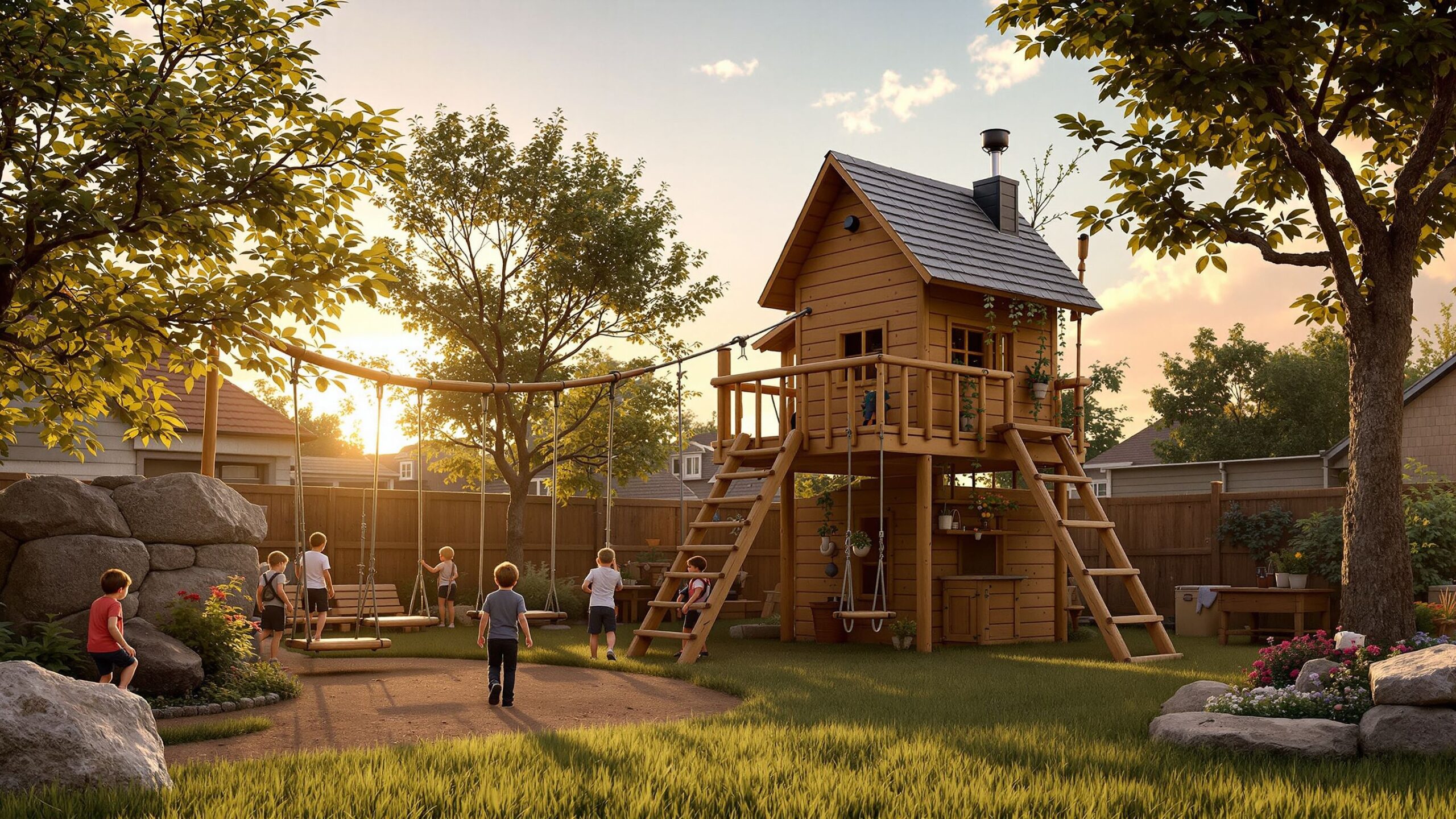
For children with boundless energy, an indoor adventure zone offers a perfect outlet. This play world includes elements such as obstacle courses, climbing structures, and interactive challenges. It encourages physical activity while still supporting imaginative play.
In an adventure zone, children can create missions and challenges, turning physical movement into part of their story. They might pretend to be explorers navigating a jungle or heroes completing a quest. This combination of movement and imagination keeps children engaged and helps them develop coordination and strength.
The Reading Nook: Quiet Worlds of Imagination
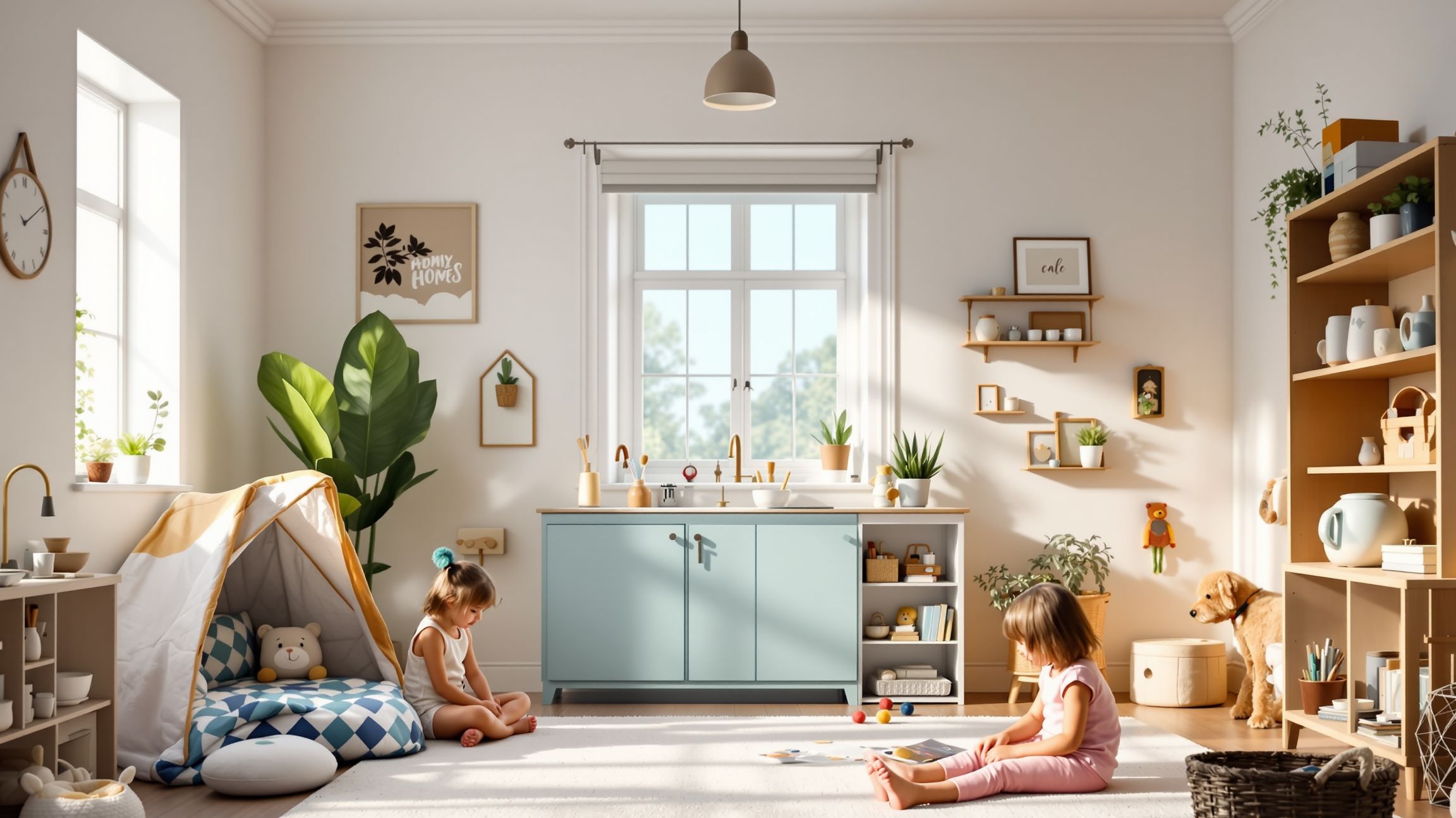
Not all creative play worlds need to be high-energy. A cozy reading nook offers a quieter space where imagination can flourish through stories. Soft cushions, blankets, and a collection of books create an inviting environment where children can escape into different worlds.
A reading nook can also become part of a larger play world. Children might act out scenes from their favorite stories or use books as inspiration for their own narratives. This connection between reading and play enhances language development and creativity, making the reading nook a valuable addition to any indoor play space.
Keeping Indoor Play Fresh and Exciting
The key to preventing boredom is variety and adaptability. Indoor play worlds should evolve over time, reflecting the child’s interests and developmental stage. Rotating materials, introducing new themes, and rearranging the space can keep the environment engaging and inspiring.
Simple changes can have a big impact. Adding a new prop, changing the layout, or introducing a new storyline can reignite interest and spark new ideas. Encouraging children to participate in these changes also increases their engagement and creativity.
Creating a Balanced Indoor Play Environment
A well-designed indoor play world balances different types of play, including active, creative, and quiet activities. This variety ensures that children have options that match their mood and energy level. It also supports a wide range of developmental skills, from physical coordination to emotional expression.
Parents and caregivers play an important role in maintaining this balance. By observing how children interact with their play space, they can make adjustments that enhance the experience. Providing support without taking control allows children to lead their play and develop independence.
Why Kids Never Get Bored of Creative Play Worlds
The reason creative play worlds never lose their appeal is simple: they are constantly changing. Unlike toys with fixed functions, these environments adapt to the child’s imagination. Each play session is different, offering new challenges, stories, and experiences.
Children are naturally curious and creative. When given the freedom to explore and create, they rarely run out of ideas. Creative play worlds tap into this natural curiosity, providing a space where imagination can thrive without limits.
In the end, indoor creative play worlds are more than just a way to keep children entertained. They are powerful tools for growth, learning, and connection. By creating these spaces at home, parents can provide their children with endless opportunities to explore, dream, and discover—ensuring that boredom is never part of the equation.