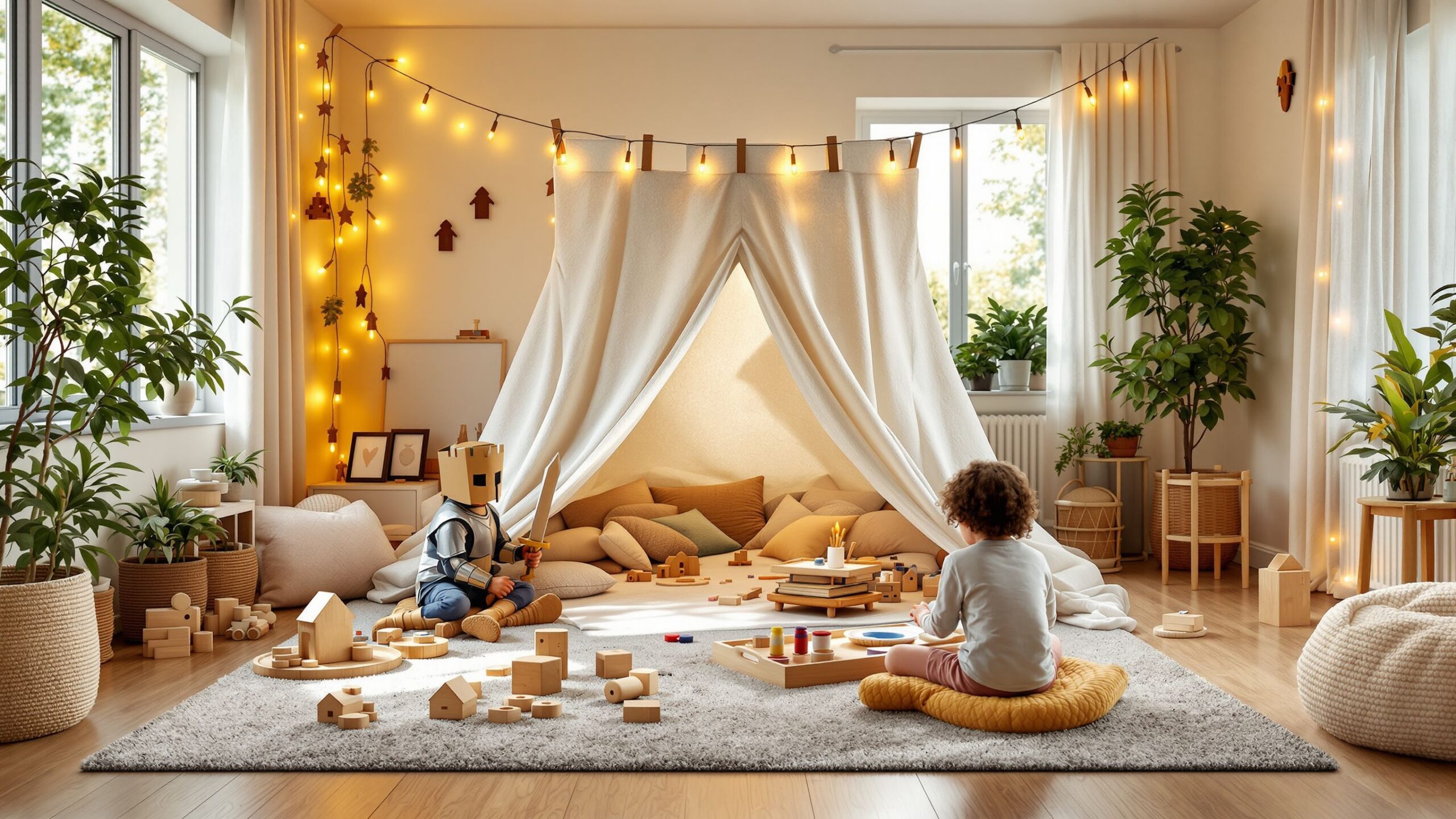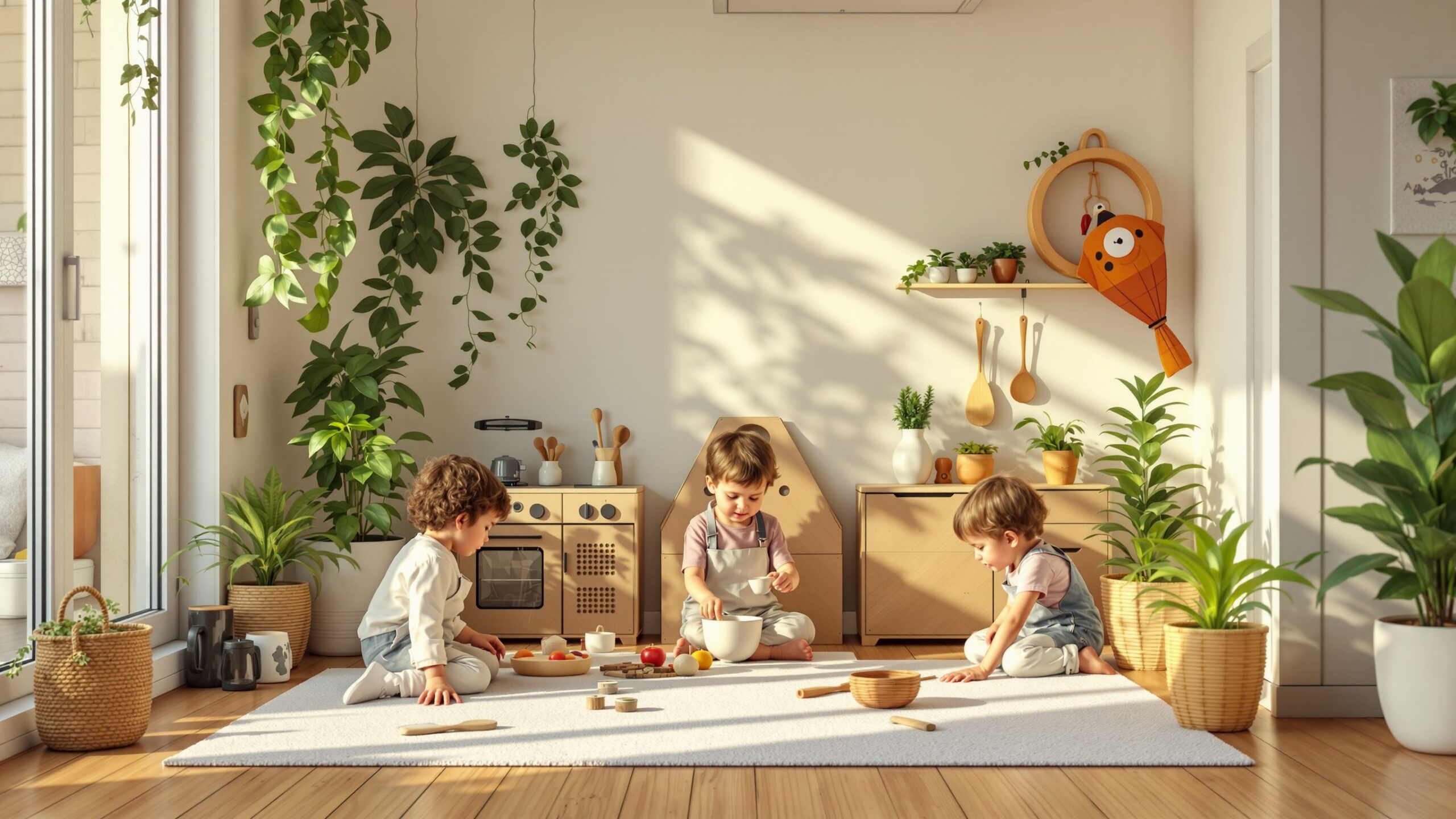
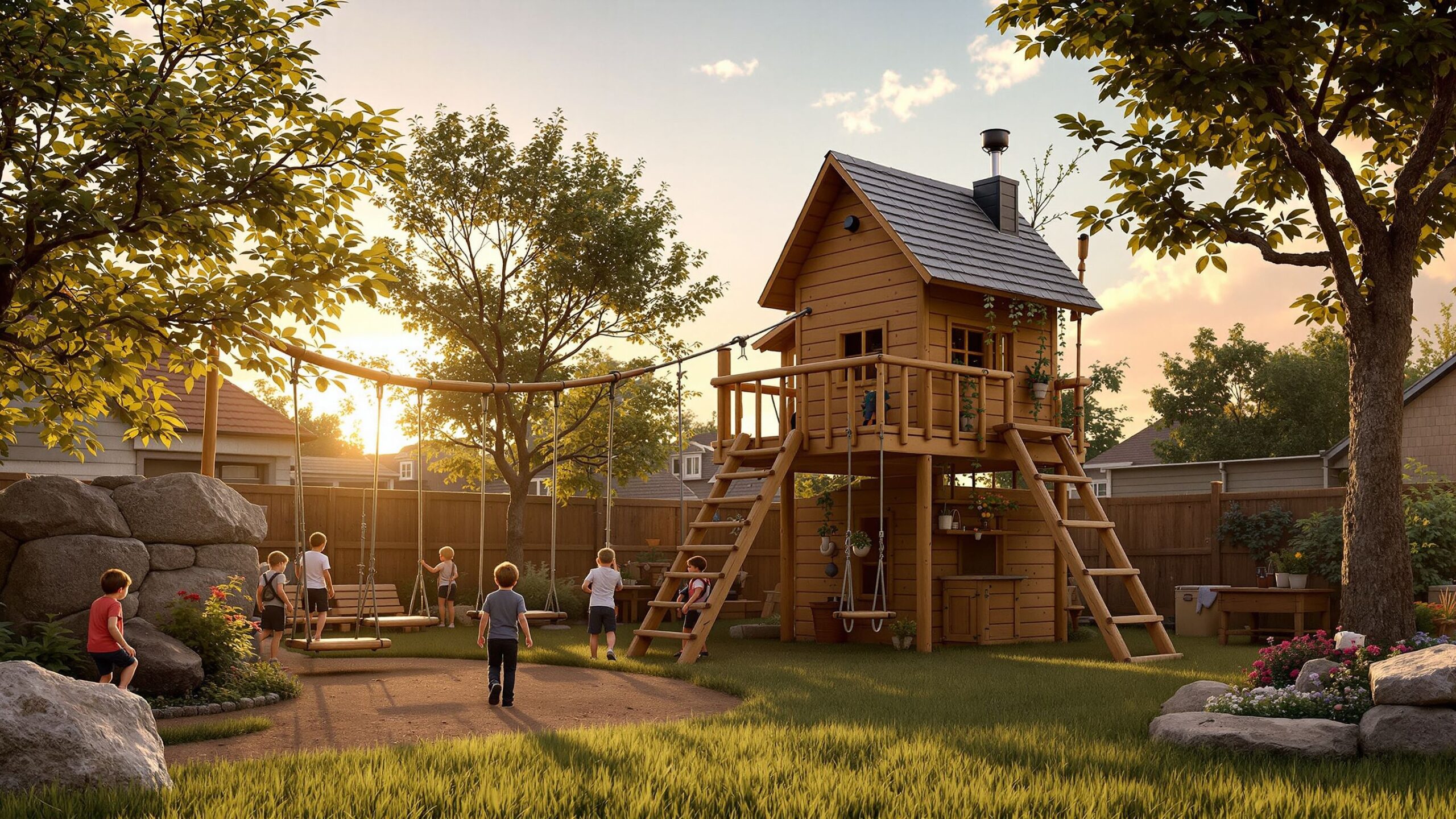
Outdoor creative play worlds open the door to a kind of imagination that feels limitless. Unlike indoor environments, nature adds unpredictability, texture, and scale, transforming simple ideas into immersive adventures. A backyard, park, or garden can become a jungle to explore, a pirate island to conquer, or a hidden kingdom waiting to be discovered. These environments encourage children to move, think, and create in ways that blend physical activity with storytelling, making outdoor play one of the most powerful forms of imaginative development.
In a world where children often spend more time indoors than ever before, creating intentional outdoor play worlds brings balance back into their daily lives. These spaces are not just about burning energy; they are about exploration, curiosity, and connection with the environment. With a few thoughtful elements, any outdoor area can become a dynamic space that inspires creativity and learning.
A: They combine space, nature, and movement for richer imaginative experiences.
A: No, natural materials and simple household items work great.
A: Introduce challenges, themes, or exploration activities.
A: Yes, they support creativity, physical development, and problem-solving.
A: Even a small yard or corner can become an exciting play area.
A: Yes, with seasonal adjustments and appropriate clothing.
A: Use designated areas and simple cleanup routines.
A: Offer ideas, but let children lead the adventure.
A: When interest fades or when seasons change.
A: Encouraging exploration and imagination.
The Power of Outdoor Imagination
Outdoor play naturally invites curiosity. The sights, sounds, and textures of nature provide endless inspiration for imaginative scenarios. A pile of sticks can become a fort, a patch of dirt can transform into a construction site, and a tree can serve as the center of a magical world. These elements are constantly changing, ensuring that no two play sessions are ever the same.
Children engaged in outdoor imaginative play develop resilience and adaptability. They learn to navigate uneven surfaces, solve real-world problems, and adjust to changing conditions. These experiences build confidence and independence, as children take ownership of their play and explore their environment freely. The combination of physical activity and creative thinking makes outdoor play worlds uniquely beneficial.
The Adventure Basecamp: A Hub for Exploration
One of the most exciting outdoor play worlds is the adventure basecamp. This setup acts as a central hub where children can plan and launch their imaginative journeys. A simple structure such as a wooden fort, tent, or even a designated corner with supplies can serve as the basecamp.
From this starting point, children can create missions and challenges. They might pretend to be explorers mapping unknown territory, scientists studying wildlife, or heroes embarking on quests. The basecamp provides a sense of structure while still allowing for endless flexibility. Adding elements like maps, tools, and simple props can enhance the experience without limiting creativity.
The Nature Lab: Learning Through Exploration
A nature lab play world combines imagination with discovery. This environment encourages children to observe, experiment, and interact with the natural world. It can include items such as magnifying glasses, containers for collecting objects, and simple tools for exploration.
In a nature lab, children become scientists and researchers. They examine plants, insects, and natural materials, asking questions and forming ideas about how the world works. This type of play fosters curiosity and critical thinking while also promoting a deeper connection to nature. The hands-on experience makes learning feel exciting and meaningful.
The Mud Kitchen: Creative Messy Play
Few outdoor play worlds are as engaging as a mud kitchen. This setup allows children to mix, create, and experiment using natural materials. Dirt, water, leaves, and sticks become ingredients for imaginative cooking and crafting.
In a mud kitchen, children take on roles such as chefs, bakers, or potion makers. They create recipes, serve dishes, and invent new combinations. This type of play encourages sensory exploration and creativity, while also supporting fine motor skills. The freedom to get messy adds an extra layer of excitement, making the experience both fun and memorable.
The Obstacle Adventure Zone: Active Imagination
For children who love movement, an obstacle adventure zone offers a perfect blend of physical activity and imaginative play. This play world includes elements such as climbing structures, balance beams, and pathways that challenge coordination and strength.
Children can turn these obstacles into part of their story, imagining themselves as explorers navigating dangerous terrain or heroes completing a mission. The physical challenges keep them engaged while the imaginative elements add depth and excitement. This type of play supports both physical development and creative thinking.
The Garden World: Growing and Imagining
A garden-based play world introduces children to the concept of growth and care. This environment can include planting areas, small tools, and spaces for observation. Children can take on roles as gardeners, farmers, or caretakers of a magical landscape.
Through this type of play, children learn about responsibility and patience. They see the results of their efforts as plants grow and change over time. The garden world also provides opportunities for storytelling, as children imagine the lives of the plants and creatures within their environment. This combination of imagination and real-world experience makes the garden world a powerful learning space.
The Fort Kingdom: Outdoor Hideaways
Building forts outdoors adds a new dimension to a classic play activity. Using natural materials such as branches, leaves, and fabric, children can create structures that blend seamlessly with their surroundings. These forts become hideaways, castles, or secret headquarters.
The process of building the fort is just as important as the final structure. Children learn to plan, collaborate, and solve problems as they create their space. Once completed, the fort becomes a central part of their play world, serving as a base for stories and adventures.
Encouraging Open-Ended Outdoor Play
The most effective outdoor play worlds are those that encourage open-ended exploration. Instead of providing rigid instructions or highly structured setups, allow children to guide their own play. Offer materials and suggestions, but leave room for interpretation and creativity.
Rotating elements and introducing new ideas can keep the play environment fresh. A simple change, such as adding a new prop or rearranging the space, can spark new narratives and experiences. Encouraging children to take part in these changes fosters a sense of ownership and engagement.
Balancing Safety and Freedom
While outdoor play worlds should encourage exploration, safety remains an important consideration. Ensure that the environment is free from hazards and that children understand basic safety guidelines. At the same time, avoid over-restricting their play. A balance between safety and freedom allows children to take healthy risks and develop confidence.
Supervision should be present but not intrusive. Allow children to explore and experiment while being available for support when needed. This approach helps them build independence while still feeling secure.
The Lasting Impact of Outdoor Creative Play
Outdoor creative play worlds offer benefits that extend far beyond the moment. They foster a sense of curiosity, resilience, and connection to the environment. Children who engage in this type of play are more likely to develop a lifelong appreciation for nature and exploration.
These experiences also create lasting memories filled with adventure and discovery. The stories children create, the structures they build, and the challenges they overcome become part of their personal growth. By providing opportunities for outdoor imaginative play, parents and caregivers help shape a child’s creativity and confidence.
In the end, outdoor creative play worlds are about freedom. They give children the space to explore, imagine, and create without limits. With a little creativity and a willingness to embrace the outdoors, any space can become a world of endless adventure.